


Our bodies host vast microbial ecosystems that quietly shape immunity, metabolism, and even behavior. Over recent decades, research has moved microbiomes from the margins to the center of biology and medicine. But as the field matures, one theme has become clear: timing matters. Microbial communities are not static features of adulthood – they are built, step by step, beginning at birth. During that assembly phase, small shocks can redirect the trajectory of colonization and potentially leave lasting signatures on health.
This early window matters for reasons both clinical and societal. Clinicians use powerful tools – antibiotics, vaccines, and other interventions – that save lives but also shift microbial ecologies. Public-health campaigns that control infectious disease can transform environments and lifestyles, sometimes faster than microbial communities can adapt. At the same time, globalization and lifestyle change threaten ancestral microbial diversity that coevolved with humans for millennia. Together, these forces raise two urgent questions: when is the infant microbiome most vulnerable to disturbance, and how do we balance life-saving medical care with preserving or restoring beneficial microbial communities?
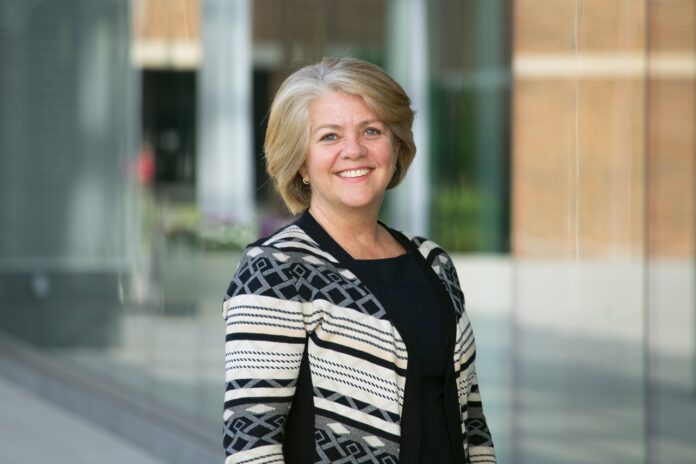
To explore these questions, we spoke with Maria Gloria Dominguez-Bello, Distinguished Professor of Microbial Ecology at Rutgers University and a leading researcher on human-associated microbiomes. She has spent more than a decade studying microbiome development from birth, including fieldwork in remote Amazonian Indigenous villages where communities are experiencing rapid but uneven change. Her research links community-level observations with longitudinal birth-cohort science, showing how early exposures – including routine medical care and outreach programs – can rapidly restructure microbiomes across the gut, mouth, nose, and skin. Those patterns clarify critical windows of vulnerability in infancy and early childhood and point toward practical interventions to prevent or repair unintended ecological damage.
You have long studied microbiome development from birth. How do you connect this study in Indigenous villages to what we know about early-life microbiome assembly?
Early life is when the microbiome is being built. Babies don’t arrive with a mature community; they acquire microbes first from their mothers and then from family members and the surrounding environment. Importantly, only bacteria adapted to humans tend to engraft and persist, and those early colonizers help shape immune, metabolic, and even neurodevelopmental pathways.
What we observed in the Indigenous villages aligns with findings from many birth cohorts: the developing microbiome is highly dynamic and particularly sensitive to disruption. In those communities, even relatively modest medical exposures were associated with rapid restructuring of microbial communities, and the effects were strongest in children.
What do you think are the most important “windows of vulnerability” for microbiome development?
The most critical window is probably birth through the first six months of life, with vulnerability declining progressively up to around three years.
During that initial period, factors such as birth mode, breastfeeding, antibiotics, infections, diet, and environmental exposures all exert outsized influence because the microbiome is still organizing itself. Early colonizers set niches and shape immune education, so disturbances can have disproportionately large effects.
While the microbiome undergoes major maturation in the first three years, development likely continues more subtly into later childhood and adulthood – but the resilience is lower in the youngest infants.
Are children simply more sensitive to disruption, or are they more likely to undergo persistent reprogramming after early exposures?
Children are clearly more sensitive to disruption because their microbial ecosystems are still being assembled. But the concern goes beyond transient sensitivity: early disturbances may alter the developmental trajectory itself. In other words, we should worry not only about temporary imbalances but also about potential long-term ecological reprogramming. Our study was not designed to prove persistence over decades, so we can’t claim definitive long-term change from these data alone, yet the stronger and more rapid effects we saw in children raise that concern and motivate longer follow-up.
The study suggests that microbiome changes can occur across the gut, mouth, nose, and skin, but not in the same way. What does that say about microbial ecology at different body sites?
Each body site functions as its own ecosystem. The gut is very different from the mouth, the nasal passages, or the skin — oxygen levels, salinity, nutrient availability, immune pressures, moisture, and exposure to the environment all establish distinct ecological rules. So “the microbiome” is not a single entity but a collection of linked ecosystems that can respond differently to the same exposure. Because of those local rules, we should expect heterogenous responses across sites when communities are perturbed.
Do you worry that microbiome disruption might be an overlooked cost of otherwise highly successful disease-control campaigns?
Yes. But that should never be interpreted as an argument against medicine. These programs have saved countless lives and remain essential.
The point is that medicine can have unintended ecological consequences for the microbiome, especially in early life, and we have not yet fully characterized those consequences. Recognizing this does not diminish the value of interventions but calls for balance: better understanding, monitoring, and – when needed – restorative approaches so we can repair collateral microbial damage while preserving the life-saving benefits of disease control.
Your work also connects to global microbial diversity preservation, including the Microbiota Vault. Does this study strengthen the argument for preserving ancestral microbes?
Definitely. One striking takeaway is how quickly microbiome restructuring can begin, even before major dietary or lifestyle westernization becomes apparent. That suggests microbial diversity may be eroding faster than we realized. Many microbes that coevolved with humans for millennia may already be vanishing in some populations. Preserving microbial diversity could become important for future medicine and for restoration efforts.
What do you think society still misunderstands about the human microbiome and modern life?
People still think of microbes mainly as germs. That emphasis is understandable, because many microbes do cause disease and because modern medicine’s control of infections has been transformative. But humans also evolved with vast communities of beneficial microbes that regulate immunity, metabolism, and development. The public and many clinicians don’t yet appreciate the breadth and depth of that coexistence, or how modern life has reshaped our microbial ecology. We are only beginning to understand the downstream consequences of those changes.
