


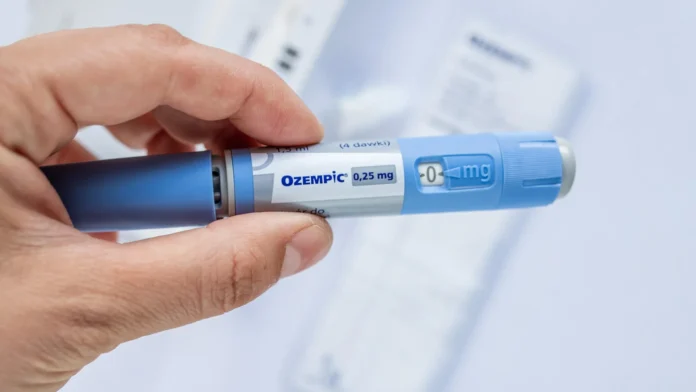
Discontinuing GLP-1 medications (Ozempic, Wegovy, Mounjaro, Zepbound) significantly increases patients’ risk of cardiovascular disease. According to a new study by Washington University in St. Louis, two years after stopping treatment, patients have a 22% higher likelihood of heart attack, stroke, or death than those who continue taking the medication.
The study, published in the scientific journal BMJ Medicine and involving more than 333,000 US veterans with type 2 diabetes, shows that the medication’s positive cardiovascular effects rapidly disappear after treatment is discontinued. According to the researchers, many patients stop taking the drugs because of their high cost, side effects, or shortages. At the same time, not only does the lost weight return, but inflammatory processes, blood pressure, and cholesterol levels also increase in the body — a kind of “metabolic shock” that has a damaging effect on heart health.
Three years of follow-up showed that even a six-month interruption in treatment significantly reduces the medication’s cardiovascular protective effect. Patients who continuously took GLP-1 medications for three years had an 18% lower risk. However, among those who stopped treatment before reaching one and a half years, no protective effect on the heart was observed at all.
The study also emphasizes that the cardiovascular benefits lost after discontinuing the medication cannot be fully restored even if treatment is restarted. According to the authors, cardiovascular protection accumulates slowly over the years but is lost very rapidly once the medication is discontinued. Therefore, the researchers urge clinics and doctors to ensure that patients continue their treatment without interruption, as GLP-1 medications are used to treat chronic conditions and long-term use is vital.
