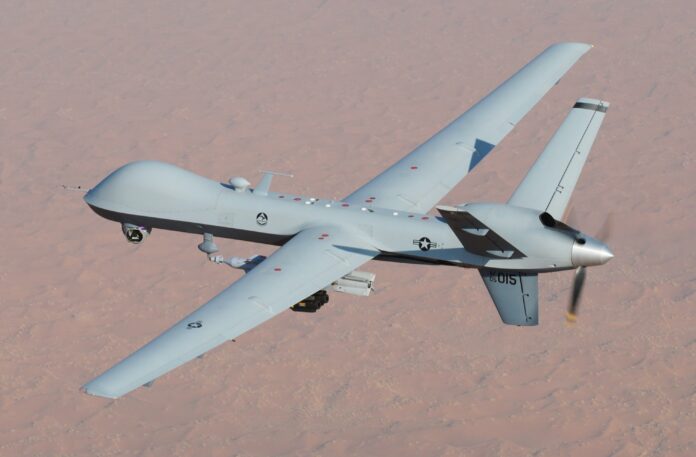
The International Committee of the Red Cross (ICRC) and human rights organizations warn that the development of autonomous weapons is outpacing efforts to regulate them, and that the process could soon become impossible to control.
The warning came after a week-long conference in Geneva attended by more than 120 states party to a United Nations convention. At the meeting, countries agreed only to continue discussing a regulatory framework over the next two years, a response that human rights advocates say fails to address the growing threat.
Autonomous weapons are military systems that operate without human supervision, using artificial intelligence or robotics. “We are already seeing AI being used on the battlefield and potentially within weapons systems themselves,” said Cordula Droege, the ICRC’s chief legal officer, warning that without regulations, it would become much harder to halt the process. She emphasized that an international agreement must establish clear “red lines,” including a ban on machines targeting human beings.
ICRC President Mirjana Spoljaric Egger and UN Secretary-General António Guterres are calling for a legally binding agreement. Specifically, the Red Cross is demanding a ban on the use of autonomous weapons against people and restrictions limiting their operations to military targets. Human rights advocates fear that if action is delayed, the rules will ultimately be set by private industry and the military themselves.