


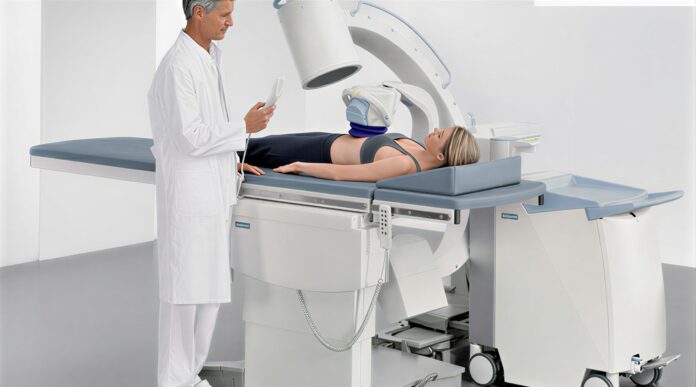
Shockwave lithotripsy is considered one of the most common and minimally invasive methods for managing nephrolithiasis (kidney stone disease). However, a new large-scale meta-analysis, which consolidated data from 115 randomized controlled trials and 17,827 patients, has shown that the procedure carries risks and requires greater caution.
What does the study say?
Researchers evaluated complications using the Clavien-Dindo classification system, which categorizes surgical complications based on their severity. The results indicated that mild complications (Grade I–II) occurred in 18.43% of patients, while severe complications (Grade III–IV) occurred in 2.48%.
The fifth category of this classification, which denotes patient mortality, was not observed in any of the patients included in the analysis, resulting in a rate of 0%.
The study also confirmed that the safety of the procedure is directly correlated with the clinic’s experience and the type of technology utilized.
What factors contribute to the risk of complications?
According to the meta-analysis, the frequency of complications depends on several factors. Complications are more frequent in low-volume clinics compared to large hospitals.
Treating multiple or complex stones increases the probability of mild complications by 14.3%. The equipment used is also significant; specifically, electrohydraulic lithotripters are more strongly associated with severe complications than electromagnetic devices. Furthermore, extending the duration of the procedure increases the risk of pain and hematuria (the presence of blood in the urine).
Recommendation of the study authors
The authors of the study clearly state that shockwave lithotripsy should not be considered a completely safe and risk-free procedure. When obtaining informed consent from patients, physicians must discuss the possibility of complications, as additional medical intervention becomes necessary in approximately 2.5% of cases.
