


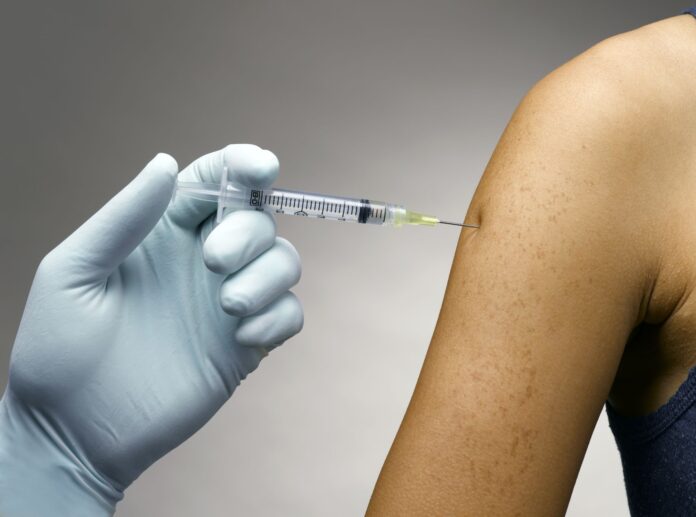
A recent study published in The Lancet has resonated deeply within American and British scientific circles. According to the research, receiving the human papillomavirus (HPV) vaccine in early adolescence reduces the probability of death from cervical cancer to nearly zero in women under the age of 30. Conducted by scientists at Queen Mary University of London (QMUL), this large-scale analysis provides the first direct evidence of how vaccination impacts the long-term survival rates of patients.
According to data from the World Health Organization (WHO), cervical cancer is the fourth most common oncological disease among women, with high-risk HPV types causing 99% of all cases. Although the vaccine’s efficacy in preventing the disease (around 90%) was already well-known, this study demonstrates its impact on mortality statistics for the first time.
Following the launch of the UK vaccination program in 2008, a dramatic decline in mortality was recorded: the risk of dying before age 30 virtually disappeared among girls vaccinated at 12–13 years of age, while the relative risk of mortality in the 30–34 age group dropped by 63%. Furthermore, for the first time in history, not a single woman aged 20–24 died of this diagnosis in England between 2020 and 2024.
Professor Peter Sasieni, the project’s lead author, stated that the vaccine has already saved hundreds of young women’s lives in England alone. As a reminder, in addition to cervical cancer, this immunization protects the body against anal, vaginal, vulvar, oral, and throat cancers, as well as genital warts.
Despite this historic medical achievement, experts are drawing attention to alarming trends. The WHO global strategy mandates that by 2030, every country worldwide must ensure the vaccination of 90% of girls by the age of 15. Prior to the pandemic, the UK was close to this benchmark; however, recent national vaccination rates have dropped to 75%, and plumeted to 60% in London.
