


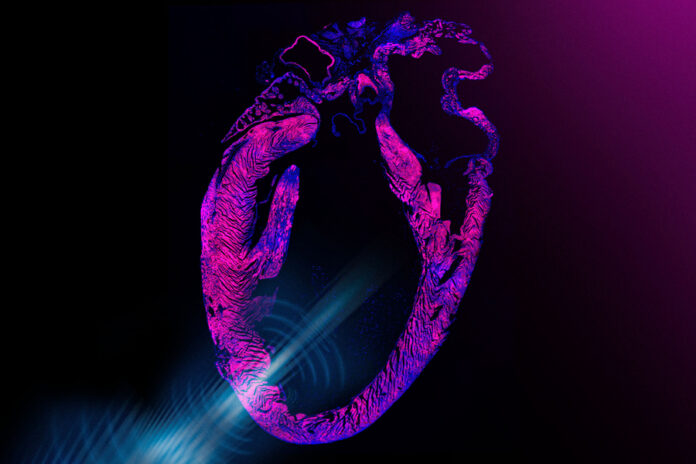
Modern cardiac surgery and arrhythmology are continuously seeking ways to minimize patient trauma and operative risks. A truly revolutionary step in this direction is the latest achievement by engineers and clinicians at the Massachusetts Institute of Technology (MIT), which allows for heart rate management without surgical intervention on the heart, utilizing only focused ultrasound waves.
The implantation of traditional pacemakers, despite its high efficacy, is always associated with certain surgical complications, such as lead displacement, vascular damage, and post-operative infections. The new technology completely shifts this paradigm, as the system stimulates the heart muscle from outside the body, without any incisions or invasive leads.
The mechanism of ultrasound cardiac pacing is based on directing high-precision acoustic energy to specific areas of the myocardium, where the mechanical signal is converted into an electrical impulse, ultimately triggering a synchronous contraction of the heart muscle. Studies have shown that by precisely modulating the frequency and power of the waves, it is possible to effectively correct bradycardia or other types of arrhythmias in real time.
Although this method is currently in the early phases of clinical trials, its potential in cardiology is immense. The technology will be particularly critical and valuable for patients with high surgical risk, immunosuppressive conditions, or those who require temporary cardiac pacing during the rehabilitation period following an acute myocardial infarction. Acoustic pacemakers lay a solid foundation for the medicine of the future, where the management of severe cardiac pathologies becomes completely painless and safe.
