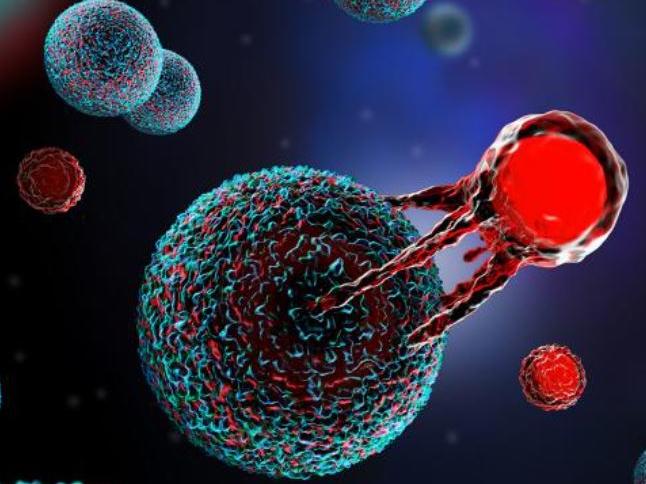
Modern oncology is witnessing a monumental transformation, where traditional, often aggressive methods—such as chemotherapy and radiation—are gradually being replaced by the advanced achievements of personalized medicine and immunotherapy. At the forefront of this revolution stands Chimeric Antigen Receptor T-cell (CAR-T) cell therapy. This is an approach where a patient’s own immune system cells are genetically engineered in a laboratory to recognize and destroy tumor cells. The latest long-term studies published in June 2026, specifically data from the University of Pennsylvania School of Medicine (Penn Medicine), have presented unprecedented evidence to the oncological community: CAR-T therapy can provide 10-year and longer complete remissions in patients with B-cell lymphoma, a condition previously considered virtually incurable.
In the history of clinical medicine, oncologists have always used the term “cure” with extreme caution, as the risk of tumor recurrence is almost always present. However, data published this June in the New England Journal of Medicine, led by Dr. Marco Ruella, provides a strong basis for changing this perspective. The study summarized the results of a 10-year follow-up of patients participating in phase II clinical trials who received the drug tisagenlecleucel. This is the first CAR-T therapy approved by the FDA, originally developed in the laboratory of Dr. Carl June. The results showed that more than a third of patients with aggressive large B-cell lymphoma and nearly half of patients with follicular lymphoma remained completely free of cancer for ten years after just a single infusion.
The uniqueness of this discovery lies in the fact that the patients included in the study were previously in critical condition due to multiple failed courses of chemotherapy, leaving them with no other treatment alternatives. Statistical analysis determined that no patient experienced a relapse after 5.4 years of treatment, while in the follicular lymphoma group, the return of the tumor was not recorded at all in the period after 2.7 years. This means that if a patient’s body overcomes the first few years without cancer, CAR-T cells create a long-term immune memory that constantly monitors the body and instantly destroys any new cancer foci. Scientists detected high concentrations of modified T-cells in the patients’ blood during the first two years, which is directly linked to prolonged and stable remission.
It is also crucial to evaluate the safety aspects, which have always raised significant questions regarding the use of genetic engineering. The ten-year monitoring showed that even years after treatment, more than half of the patients fully restored their normal population of healthy B-cells, which is essential for a strong immune system and fighting infections. Furthermore, in none of the cases studied was there any development of secondary lymphoma or other genetic mutations associated with CAR-T therapy, confirming once again the long-term safety and stability of the method.
In parallel with cancer treatment, 2026 scientific publications show that CAR-T therapy technology has sharply expanded beyond the boundaries of oncology alone. Clinical cases and reviews published this year, including those in the journals Med and Nature Reviews Drug Discovery, confirm that CD19-targeted CAR-T cells are being effectively used to treat severe and previously incurable autoimmune diseases. For instance, studies conducted at the Bambino Gesù Hospital in Rome showed that in children suffering from lupus or systemic sclerosis with progressive damage to vital organs, a single infusion of CAR-T cells led to complete, medication-free remission of the disease for more than a year. This is achieved through the total destruction of the pathological B-cells that mistakenly attack the body’s own tissues, after which the body generates completely new, healthy immune cells.
Thus, medicine stands on the threshold of an epochal turning point. CAR-T therapy is no longer viewed as merely a temporary delay for terminally ill patients, but as a potential and realistic curative tool. The data from June 2026 clearly confirms that the concept of a living drug, which a decade ago was only a theoretical hope, is now a reality. Many challenges lie ahead, including reducing the high cost of this treatment and increasing its accessibility, but the existence of ten-year remissions gives oncologists every right to loudly and confidently use the word “cure.”