


Antimicrobial resistance (AMR) is widely recognized as one of the most critical global threats of the 21st century. Antibiotics, which have served as the cornerstone of global public health for decades, are progressively losing their therapeutic efficacy. Bacterial evolution is moving at a significantly faster pace than the pharmaceutical industry’s capacity to synthesize and clinically deploy next-generation agents.
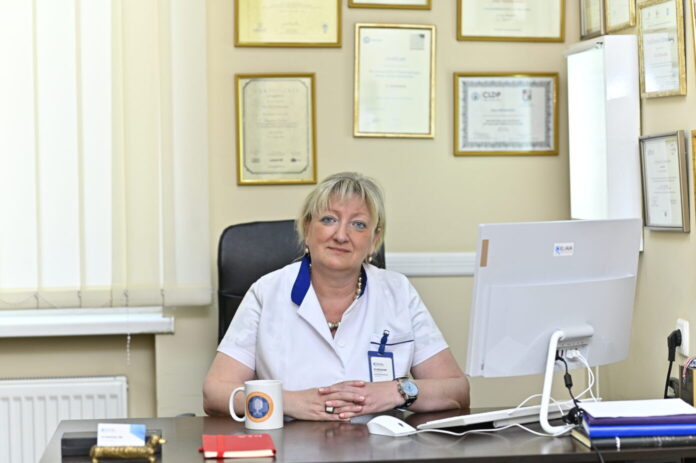
Alternative strategies to mitigate this global crisis were explored in depth at the GIMPHA Congress, where Dea Nizharadze, Clinical Director of the Eliava Phage Therapy Center, presented an analytical report. Her address clearly demonstrated that within this alarming reality, Tbilisi’s position as a historical epicenter for phage therapy is acquiring entirely new significance on the international stage.
While leading Western centers are only now initiating early-phase clinical trials and navigating complex regulatory frameworks, this therapeutic practice boasts a century-long history in Tbilisi. The unprecedented clinical experience accumulated at the Eliava Institute over the past hundred years—encompassing thousands of cured patients, multiple organ systems, and a broad spectrum of bacterial pathogens—constitutes a unique evidence base. Today, the international medical community relies on this empirical foundation to establish global standards for the development of the field.
The achievements of the Eliava Phage Therapy Center are unanimously recognized by leading global institutions. The center’s operations are endorsed by the World Health Organization (WHO), and its success in medical tourism is evidenced by numerous local and international accolades. This professional authority is further reinforced at the European level by the position of the European Society of Clinical Microbiology and Infectious Diseases (ESCMID), in collaboration with Tbilisi State Medical University.
What is Phage Therapy and Why is It Important?
Phage therapy offers a biologically distinct mechanism of bacterial eradication that remains entirely unaffected by antimicrobial resistance. Bacteriophages are, inherently, targeted viruses that—unlike conventional antibiotics—do not disrupt the host’s natural microbiome. Each phage strain exhibits profound specificity, lysing only a designated pathogen or its specific substrains.
While this high selectivity creates ideal therapeutic conditions, it also introduces certain logistical complexities into clinical practice. Specifically, this approach requires precise pathogen identification, laboratory titration of effective phages against the isolated strain, and, in many instances, the formulation of a customized, patient-specific product.
To address this specific challenge, the Eliava Institute utilizes a dual-manufacturing model: it offers commercially available, ready-to-use phage products alongside the capacity to compound exclusive, personalized formulations. These tailored compositions are engineered specifically to target pathogens that have developed resistance to standard preparations.
Clinical Data
The statistical data presented in the report accurately delineate the clinical domains where phage therapy yields maximum therapeutic efficacy, as well as areas where certain clinical limitations persist.
The highest success rate, reaching 84%, was recorded in surgical infections. This is primarily attributed to the effective disruption of bacterial biofilms by phages during the management of chronic osteomyelitis, diabetic foot ulcers, and non-healing wounds. Nearly identical outcomes were observed in internal medicine, particularly in the management of dysbiotic conditions such as Irritable Bowel Syndrome (IBS) and Small Intestinal Bacterial Overgrowth (SIBO).
Similarly notable is the 72% clinical efficacy achieved in the treatment of purulent skin infections, specifically hidradenitis and dermatitis.
In the urogenital tract, therapeutic efficacy reached 70%. Within this diagnostic category, chronic bacterial prostatitis presents a particular challenge; the center’s clinical experience in managing this condition has been published in leading international peer-reviewed journals, including Frontiers and the International Journal of Clinical Virology.
In respiratory medicine, a 67% efficacy rate was documented in the treatment of bronchiectasis and pneumonia. In this sector, the center’s primary focus involves the clinical management of resistant infections in post-lung transplant recipients.
Conversely, a lower efficacy rate of 53% was observed in otorhinolaryngology (ENT). In the management of sinusitis and otitis, these outcomes are linked to the specific anatomical architecture of the upper respiratory tract and the technical barriers associated with delivering phages directly to the localized foci of inflammation. Nevertheless, in patients harboring multi-drug resistant (MDR) strains for whom traditional antibiotic options had been completely exhausted, the achieved therapeutic effect remains clinically significant. Nonetheless, it underscores the need for further refinement of the delivery methodology.
Rare and Complex Diseases
Beyond primary organ systems, the center manages patients with rare nosologies for whom traditional therapeutic options are exceptionally limited. Within this cohort, particular clinical significance is placed on mucoviscidosis (cystic fibrosis). This genetic pathology leads to the accumulation of viscid secretions in the respiratory tract and persistent colonization by multi-drug resistant pathogens, such as Pseudomonas aeruginosa and Staphylococcus aureus.
Kartagener’s syndrome (situs inversus associated with a mucociliary clearance defect) presents with similarly recalcitrant respiratory complications and is frequently managed at the clinic. Among rare pathologies, the center also treats patients with Netherton syndrome, a rare genetic disorder characterized by recurrent infectious complications. The unique experience accumulated in this domain was shared with the international scientific community; a clinical case detailing the successful therapy of a 16-year-old patient was published in the journal Frontiers in 2017.
Collectively, these data reconfirm that in the era of escalating global antimicrobial resistance, the extensive longitudinal expertise accumulated in Tbilisi serves as an invaluable clinical platform in the global fight against multi-drug resistant infections.
