


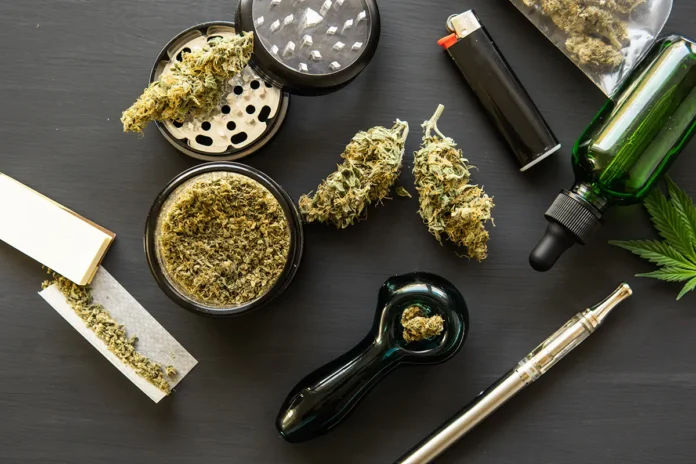
People often consume cannabis to relieve stress; however, a new study from Washington State University (WSU) shows that our bodies respond to this process in quite mixed ways. According to the paper published in the journal Neuropsychopharmacology, even though users feel a sense of calm after consumption, the body’s physiological stress-response systems do not always confirm this.
Researchers examined 120 regular cannabis consumers. They divided them into three groups: one received a placebo (a harmless imitation of the actual substance), while the others were administered low and high doses of THC (the primary psychoactive compound in cannabis) via inhalation. It turned out that all three groups experienced a reduction in stress following consumption—including the individuals who inhaled only the placebo. The lead author of the study, Professor Carrie Cuttler, explains that this feeling of calm is often not the result of cannabis itself, but rather a powerful placebo effect driven by user expectations. This expectation was so strong that one participant in the placebo group even withdrew from the study, believing the substance had hit too hard.
To understand what actually happens inside the body during this process, the researchers measured four physical markers of stress: cortisol (the stress hormone), heart rate, heart rate variability (a key metric for assessing stress), and skin conductance (an indicator of nervous tension and perspiration). The findings proved quite contradictory: while stress hormones and nervous tension declined among THC users, heart rate increased significantly. Furthermore, heart rate variability showed no change at all, indicating that the body’s core stress system did not actually downregulate.
Ultimately, the researchers concluded that these physiological responses do not necessarily correlate with one another. For instance, a decrease in the stress hormone did not mean that a person’s heart rate settled as well. According to Professor Cuttler, this further demonstrates that cannabis exerts contradictory effects on the body, and the subjective calm experienced in the mind is frequently decoupled from the actual physiological strain the body undergoes at that moment.
