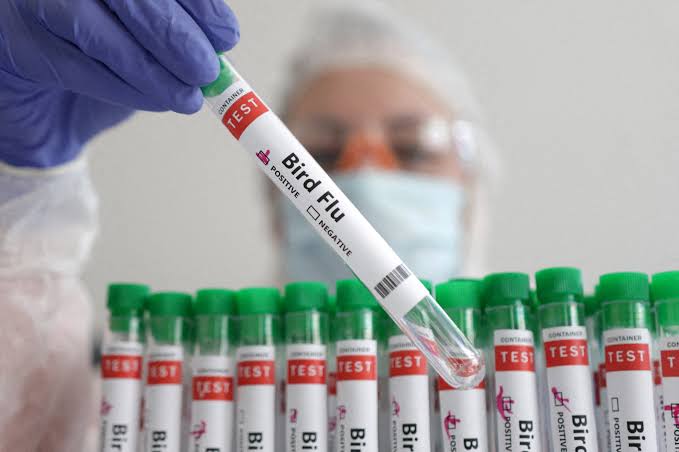
Researchers at the University of Cambridge have developed a new broad-spectrum avian influenza vaccine that demonstrated 100% protection against various globally circulating variants in animal trials. The study, published in Cell Reports Medicine, shows that the new vaccine is significantly more effective than existing vaccines that governments around the world are currently stockpiling in preparation for a potential pandemic.
During the experiment, only 50% of animals vaccinated with the World Health Organization’s (WHO) standard vaccine survived. In contrast, the vaccine developed by the University of Cambridge and its spin-off company, DIOSynVax, provided mice and ferrets with complete protection against genetically distinct variants of the virus.
“Rather than targeting a single strain of avian influenza, our new vaccine is designed to protect against a broad spectrum of variants. It focuses on anticipating viral evolution rather than reacting to it after the fact,” says the study’s lead researcher, Professor Jonathan Heeney of the University of Cambridge.
Unlike traditional vaccines, which target specific strains that are already circulating, the researchers used artificial intelligence to develop the new vaccine. The AI tool analysed genetic data collected from around the world and designed so-called “superantigens” containing features common to all viruses within this group.
According to the researchers, avian influenza is an RNA virus that, like coronavirus, can mutate rapidly and spread easily from animals to humans. Although infections caused by North American variants have generally resulted in mild illness in humans, strains from Southeast Asia have already caused severe disease and high mortality rates.
“Next-generation vaccines are a game-changer for national biosecurity and public health. This means we will be prepared to respond immediately to viral epidemics and pandemics, rather than remaining in a constant defensive position and fighting strains that have already mutated,” Professor Heeney says.
The next step is to conduct clinical trials of the new avian influenza vaccine in humans, with the aim of making it available for immediate use if needed. Meanwhile, the University of Cambridge team is applying the same AI technology to develop vaccines against other deadly viruses, including Ebola (which has a fatality rate of approximately 50%), Lassa fever and Marburg virus, for which no vaccine is currently available worldwide.