


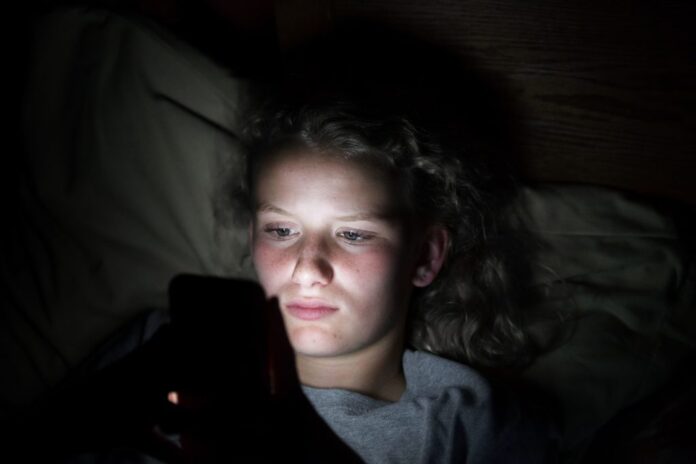
American teenagers today are sleeping less than ever before. A new study published in the journal Pediatrics, which tracked more than 400,000 students from 1991 to 2023, shows that sleep duration has dropped sharply across all age groups. The situation is particularly severe among high school seniors, with only 22% managing to get at least 7 hours of sleep per night.
According to scientists, entirely new triggers have emerged in recent years alongside generational barriers such as demanding homework assignments, extracurricular activities, and employment. Smartphone screens and social media are quite literally stealing sleep from adolescents.
However, the problem is not limited to technology. It runs much deeper, linked to teenage burnout and social isolation. According to surveys, nearly two-thirds of teenagers suffer from chronic anxiety. Furthermore, a quarter of students report having only two days or fewer per week to attend to basic needs such as sleep, nutrition, and personal hygiene.
Adolescents directly attribute this condition to relentless academic pressure from the school system. Mental health professionals note that students are calling for a slower pace and instruction on coping strategies for stress. Chronic sleep deprivation leads not only to daily exhaustion but is also linked in the long term to depression, academic failure, and an increased risk of developing various chronic illnesses in adulthood.
Scientists believe that systemic changes are required to address the issue. One of the primary recommendations is delaying high school start times to 8:30 AM or later, as starting the school day early directly conflicts with an adolescent’s biological circadian rhythms. The authors of the study emphasize that the solution lies in shifting the cultural perception of sleep within society and implementing school policies that prioritize healthy sleep for every teenager.
