


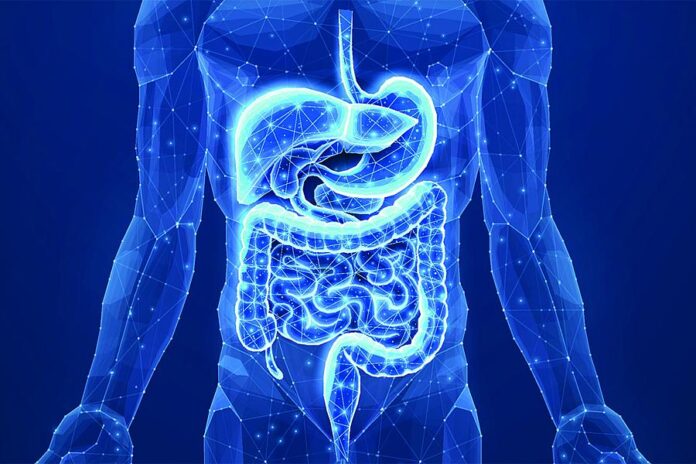
Inflammatory Bowel Diseases (IBD), particularly Crohn’s disease and ulcerative colitis, are considered among the most complex challenges in modern medicine. These diseases are not merely digestive discomfort. They are chronic, often lifelong immune-mediated conditions where the body’s defense system becomes overly active within the intestinal tissue, triggering inflammation. This can result in severe abdominal pain, diarrhea, bloody stools, weight loss, fatigue, nutritional deficiencies, and, in severe cases, the need for surgery. For some patients, the disease flares up periodically, while for others, it remains a near-constant struggle.
On June 8, 2026, researchers from the U.S. National Institutes of Health (NIH) published findings on a discovery that could significantly advance our understanding of inflammatory bowel diseases. Their study focuses on a specific regulatory mechanism of the immune system that normally protects the gut from excessive inflammation. Scientists determined that harmful mutations in the GPR15 gene are linked to a chain of events that can cause severe, very early-onset inflammatory bowel disease. This is particularly crucial for children and families where the disease manifests exceptionally early and in a severe form.
The essence of this discovery can be explained simply: the gut is constantly in contact with food, bacteria, viruses, and other foreign particles. Therefore, the immune system there must operate with extreme precision. If it is too weak, infections and harmful microbes will cause problems. If it is too aggressive, the body will attack its own tissue. This is exactly where the role of regulatory immune cells comes in. Their task is to limit inflammation at the right time and protect the intestinal tissue from excessive immune assault. Modern research shows that in IBD, the balance between inflammation-causing T-cells and regulatory T-cells is often disrupted. When pro-inflammatory cells dominate and calming regulatory cells fail to do their job, chronic inflammation establishes itself in the gut.
The NIH study paid special attention to the GPR15 gene. The normal function of this gene appears to be connected to how protective immune cells migrate and reach specific areas of the intestine. When a mutation occurs in this mechanism, the protective cells may fail to reach the right location or operate effectively enough. Consequently, pro-inflammatory immune cells accumulate in the gut, and the protective balance is disrupted. This does not mean that every IBD patient has a GPR15 mutation—that would be an oversimplified and incorrect conclusion. However, the discovery highlights one specific biological pathway whose impairment can be linked to severe intestinal inflammation.
This type of research is particularly vital because current IBD treatments often rely on broad immunosuppression. Doctors use anti-inflammatory drugs, immunosuppressants, biologic therapies, and other methods. While these treatments help many patients, the issue is that not everyone responds the same way. Some benefit greatly, others only partially, and some not at all. Furthermore, overly suppressing the immune system can carry side effects. This is why the goal of medicine is shifting toward precision treatment: not just suppressing inflammation blindly, but understanding exactly which mechanism failed in a specific patient.
Another important aspect of this study is that it underscores the sheer complexity of IBD. For years, people often linked intestinal inflammation solely to diet, stress, or infections. While these factors may play a role, they alone cannot explain the disease. IBD is the result of an intricate interplay between genetics, the immune system, the gut microbiome, the environment, and the epithelial barrier. The intestinal wall is not just a mechanical barrier; it is an active space for immune communication. When this barrier is compromised, microbes and antigens trigger the immune system more aggressively. When the immune system loses its balance, the inflammation becomes more prolonged and damaging. Within this complex system, GPR15 may hold its own distinct, yet crucial place.
It is also significant that the NIH study was based on evaluating families where children suffered from severe, early-onset IBD. Such cases are often exceptionally valuable to medicine because rare genetic variations can sometimes provide a clearer view of the entire disease mechanism. In other words, a rare case can yield vast information about a common disease. This happens frequently in immunology: when scientists pinpoint a single damaged gene and observe what breaks down in the body, they gain a better understanding of the normal system as well.
For patients, this news is a reason for hope, but not for unrealistic expectations. Headlines claiming “A Cure for IBD Has Been Found” would be incorrect. The accurate formulation is: scientists have discovered an important immune pathway involved in protecting the gut from chronic inflammation, the impairment of which can be linked to severe disease. Such discoveries change medicine slowly but realistically. First comes understanding the mechanism, followed by improving diagnostic tests, identifying drug targets, and only then testing new therapies.
Ultimately, the new NIH study demonstrates that inflammatory bowel diseases are not just a “gut problem.” It is a disruption of immune regulation, where the body’s defense system loses control. A better understanding of GPR15 and the role of regulatory cells could be a step toward more precise, personalized, and less harsh treatments. This is just the beginning, but it is a powerful one. The most significant breakthroughs in medicine often start exactly like this—not with loud promises, but with the precise discovery of a single mechanism.
