


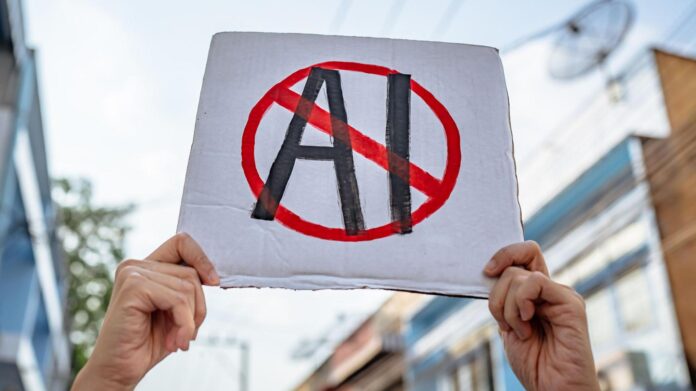
Organizations worldwide are striving to create a unified, universally recognized mark that certifies a product or service as “human-made.” Labels such as “Human-Made” or “AI-Free” are appearing with increasing frequency on films, books, and websites. This is a direct response to the fear that artificial intelligence will replace many professions and jobs in the future.
In the sectors of medicine and food, the situation differs radically from the creative fields, as AI involvement in these industries is generally perceived as a guarantee of quality and efficiency. In the pharmaceutical sphere, new molecules and medications discovered by AI are considered major achievements because algorithms significantly accelerate the multi-year process of drug development. Consequently, an “AI-Free” label is less attractive to consumers here, as the priorities are precision and safety.
In food production, AI is primarily used to optimize recipes and create plant-based alternatives (for instance, the company NotCo uses AI to replicate the taste of meat using plants). While there is currently no mass demand for a “Human-made” stamp in the food sector, a niche may emerge in the future for premium-class products, emphasizing that a recipe was developed exclusively by a human chef rather than AI.
However, according to BBC data, there are already eight different initiatives attempting to establish such a symbol. Experts believe that a unified standard is essential to build trust, ensuring that people know exactly what they are purchasing.
The arts sector is particularly active in the fight to protect human labor. For example, some film studios and publishing houses are already using a “Written by a Human” stamp. Writers complain that AI models are trained on their books without permission, calling it “creative theft.” They want readers to know that a book is the result of human experience, not the work of algorithms.
Ultimately, specialists believe that in the future, human-created content will hold higher economic value. Although using AI is faster and cheaper, authentic human creativity is assigned a special worth. That is why creating reliable certification systems is becoming vitally important for both creators and consumers.
