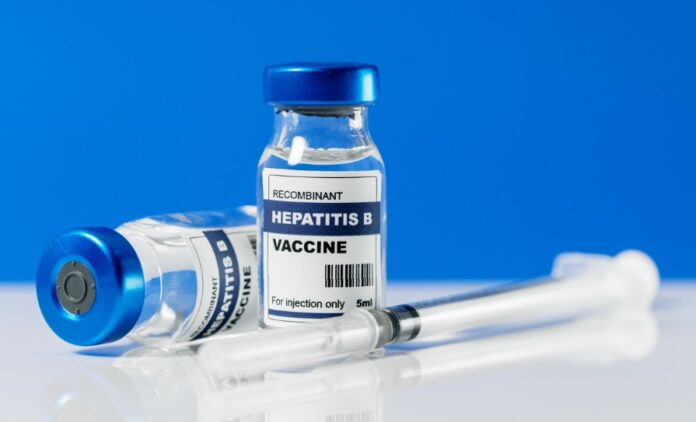
A “shocking” drop in hepatitis B vaccination, including among infants born to infected mothers—that is how NBC News covers a new U.S. study.
In a retrospective study published on November 24, 2026, in the medical journal NEJM Evidence, researchers at Truveta analyzed medical records for more than 1.3 million U.S. infants born between January 2018 and June 2026. According to the report, hepatitis B vaccination among newborns fell sharply between 2022 and 2026: from nearly 80%, the share of vaccinated infants dropped to 65.6% in June of this year.
The decline also affected infants whose mothers tested positive for the virus, putting thousands of children at risk of chronic liver disease, cirrhosis, and premature death.
Physicians and infectious disease specialists call hepatitis B a “silent threat.” Infants born to infected mothers face up to a 90% risk of contracting the virus during childbirth. Moreover, roughly 90% of infected infants develop chronic infection, which later increases the risk of liver failure and liver cancer. Vaccination right after birth significantly reduces these risks.
Researchers link the decline in vaccination to misinformation and growing doubts among parents, as well as changes in federal recommendation policy—specifically, the December 2025 decision by the Advisory Committee on Immunization Practices that altered the universal recommendation in place since 1991 for vaccinating all newborns at birth when the mother tests negative for hepatitis B.
Sources: NBC News; NEJM Evidence