


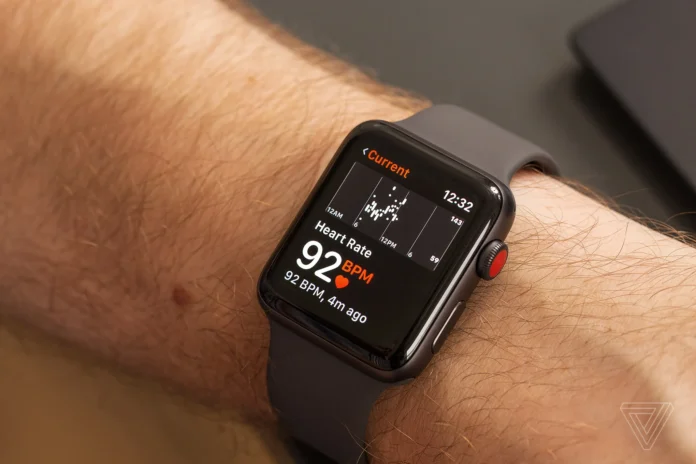
Apple has officially unveiled the Apple Watch Series 11 and Apple Watch Ultra 3, marking a significant step forward in health monitoring technology. Both models feature an innovative function—notifications about hypertension risk—which will help users detect and effectively manage blood pressure at an early stage.
Unlike traditional cuff sphygmomanometers, the new Apple Watch models use advanced optical sensors and algorithms to detect hypertension. This technology analyzes changes in blood vessel tone and elasticity over time, which are indirect indicators of blood pressure variability.
The watch collects data for a minimum of 30 days and assesses trends. If the data indicates a persistent increase in blood pressure, it notifies the user of the possible risk of hypertension. This approach is particularly important for detecting the early, asymptomatic stage of the disease, as hypertension often goes unnoticed in this phase, which is why it’s called the “silent killer.”
In addition to blood pressure monitoring, the new Apple Watch models are integrated with other sophisticated health monitoring systems. The updated Sleep Score feature provides a multi-parameter assessment of sleep quality, including an analysis of sleep phases (deep, light, REM) and efficiency indicators.
Also, fitness tracking algorithms have been improved and now more accurately calculate calories burned and distance traveled. The optical heart rate sensor provides real-time monitoring of heart rate (HR) and heart rate variability (HRV), giving users more information about their cardiovascular health. These integrated systems collectively create a comprehensive database that can be used for preventive health management.
The Apple Watch Ultra 3 model is optimized for extreme environments. It is equipped with a satellite communication module, which ensures connectivity even in geographically isolated areas. The device’s energy efficiency has been improved, and the battery life is 42 hours. The case construction is also characterized by increased mechanical durability.
Notably, the hypertension detection function, through the watchOS 26 operating system update, will be available not only for the new models but also for previous generations, including the Series 9 and Ultra 2. This decision significantly expands the reach and impact of the new technology to millions of users.
By deeply integrating health monitoring into daily routines, the Apple smart watch is transforming into a personal medical companion. The technology is no longer limited to fitness tracking but performs a crucial preventive function, helping to detect serious diseases, including hypertension, at an early stage.
Smartwatches in Health Monitoring: Accuracy, Risks, and Perspectives
Over the last decade, smartwatches have evolved from simple accessories into personal health assistants. Devices that once only counted steps now collect vital data. However, how effective is this technology, and what challenges does it pose for users?
The main advantage of smartwatches is continuous data monitoring. They collect information on heart rate, sleep quality, stress levels, and physical activity. These features have made it possible to:
- Manage chronic diseases: People with diabetes can monitor blood glucose levels (with compatible sensors), and those with heart conditions can track changes in heart rhythm.
- Measure blood pressure: The pressure measurement function integrated into the latest models helps users detect the risk of hypertension at an early stage, which is especially important for the disease known as the “silent killer.”
- Timely detection of life-threatening conditions: Smartwatches can detect symptoms of atrial fibrillation, sleep apnea, and other heart rhythm disorders. In some cases, this has even saved users’ lives.
- Motivation and healthy habits: Fitness tracking functions encourage users to be more active, which helps establish a healthy lifestyle.
Despite significant progress, smartwatches face several serious challenges in health monitoring:
- Accuracy: Smartwatches, especially older models, are often less accurate than medical-grade devices. Data can be influenced by factors such as the device’s fit on the wrist, skin temperature, and the intensity of physical activity. It is worth noting that smartwatch accuracy is significantly inferior to the invasive (intra-arterial) measurement method, which is considered the gold standard in medical practice.
- Risk of replacing professional diagnosis: Smartwatches are an auxiliary tool, but their data cannot replace professional medical consultation. Inaccurate alerts can confuse a user or convince them that their condition is stable despite alarming symptoms.
- Unnecessary use of healthcare resources: Inaccurate data generated by smartwatches can cause panic, leading to unfounded visits to healthcare professionals and unnecessary diagnostic tests. Such cases create an additional burden on the healthcare system and divert resources to patients who do not actually need them.
- Data security and privacy: The constant collection of sensitive health information raises questions about data protection and the risk of its misuse.
Furthermore, smartwatches are designed to keep us in constant interaction with the device. Notifications and data assessment features keep the user in constant contact with the device. Over time, this interaction can lead to technological dependency, where a person constantly checks data about their health, and any change in indicators negatively affects their mood and inner peace.
Thus, smartwatches are undoubtedly valuable devices, but their use requires a reasonable approach so that constant monitoring does not negatively affect our mental well-being.
Source: The Verge
