


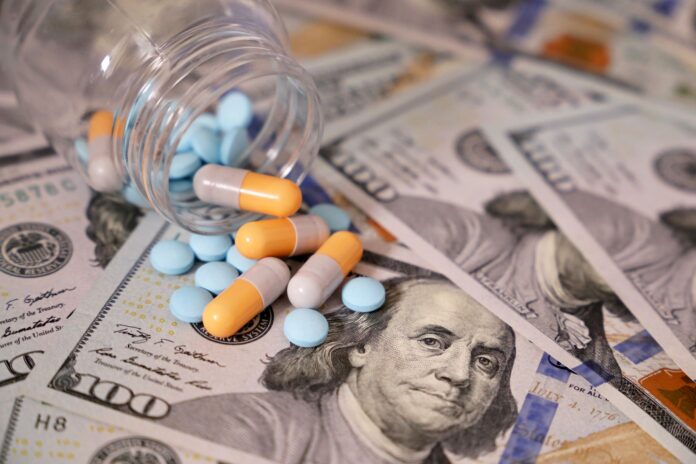
The ongoing war in Iran has placed the global pharmaceutical market under serious threat. Disruptions in the export of petrochemical products from the Persian Gulf—a primary raw material for medicines—combined with doubled logistical costs, have led to a surge in the price of essential medications.
The British Example
The first acute consequences of the crisis triggered by the Iranian conflict are already evident in the United Kingdom’s National Health Service (NHS). According to data from the National Pharmacy Association (NPA), retail prices have risen sharply; essential over-the-counter drugs, such as paracetamol and allergy medications, have already seen price increases of 20-30%.
In parallel, the pharmaceutical sector is facing a “wholesale shock.” Pharmacies are finding it 40-50% more expensive to replenish stocks, causing severe disruptions in the supply chain. Shortages are already being reported across several pharmacy chains, with supplies of aspirin and co-codamol completely exhausted in some areas.
Rising prices from generic manufacturers are forcing pharmacies to operate at a loss. Although the British government has increased compensation for 230 types of medication, paracetamol—the most in-demand drug—remains off the list. This financial imbalance further increases the risk of community pharmacy closures.
The Global Picture
Analysts at Medicines UK estimate that only strategic reserves from old warehouses are currently preventing an acute international shortage. However, this temporary buffer is exhaustible. As soon as manufacturers begin replenishing stocks and purchasing raw materials, they will directly encounter doubled transport tariffs and a shortage of chemical components vital for production. Experts predict an inevitable and sharp global increase in medicine prices in the coming weeks.
The situation is further complicated by a logistical collapse in the Persian Gulf region. Tensions around the Strait of Hormuz directly impact the petrochemical industry, which plays a crucial role in the production of mass-market drugs like analgesics and antibiotics. The rising cost of air and sea freight, driven by surging fuel prices, is forcing manufacturers to significantly adjust prices to maintain minimum profitability.
In light of this reality, experts are urging the public to exercise caution. The primary recommendation is for consumers to refrain from panic buying and the artificial hoarding of medicines. Such behavior only accelerates the onset of shortages and provokes even higher price hikes. At this stage, rational consumption is critically important to ensure that life-saving drugs remain available to those in need of urgent treatment.
