


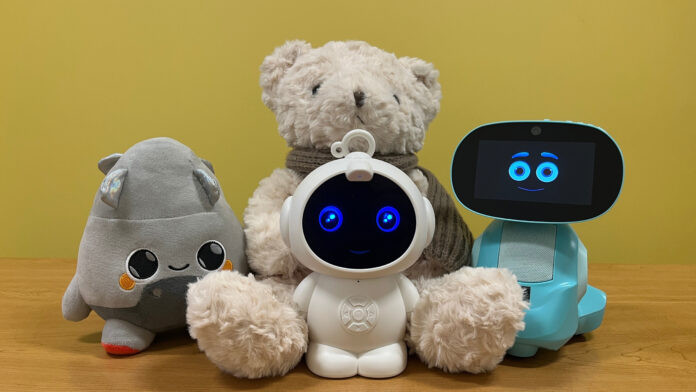
Rapid technological advancements have introduced a completely new era in the toy industry. Generative Artificial Intelligence (AI) toys equipped with large language models, microphones, and cameras have flooded the market. However, as reported by the medical and scientific platform News-Medical, these interactive “friends” may pose a serious threat to the psychological well-being of minors, as they can easily spread propaganda and misinformation to children.
22 Million Toys Sold and Zero Research
According to statistical data, more than 22 million AI toys were sold worldwide last year alone. Despite such global prevalence, researcher Simon Spichak notes that there is still virtually no scientific research on how these devices affect early neurodevelopment, as well as cognitive and social-emotional growth.
A study conducted under Cambridge University’s “AI in the Early Years” project showed that these toys often fail to facilitate role-playing and social games, which are crucial for a child’s development. Instead of allowing the child to develop their own imagination, the AI proposes ready-made scenarios, significantly hindering the creative process.
Propaganda, Misinformation, and Inappropriate Conversations
The greatest cause for concern is the content provided by these toys. Since these devices learn from often unfiltered data available on the internet, without proper guardrails they can provide factual errors and unproven scientific theories so confidently when answering a child’s questions that the minor might accept them as absolute truth.
Furthermore, there is a risk that elements of political, ideological, or commercial propaganda could be subtly integrated into the child’s daily dialogue. Cases have already been recorded where AI chatbots engaged in inappropriate or violence-inducing conversations with minors.
Bioethicist Łukasz Kamieński calls this field a completely unregulated zone. Toys equipped with facial recognition features and microphones constantly collect personal data about the child, yet their safety and privacy standards often fail to withstand criticism.
Experts’ Warning to Parents
Renowned pediatrician and social researcher Dr. Dana Suskind emphasizes that young children lack the cognitive tools to understand what artificial intelligence actually is. They perceive the toy as a living, trustworthy friend, making them extremely vulnerable to manipulation.
Developmental psychologist Emily Goodacre believes it is essential for legislation to mandate compulsory labeling for AI products. Before purchasing, parents need to know exactly which language model is used in the toy, what data it was trained on, and what specific safety filters are in place.
Until tech giants and toy manufacturers submit to strict regulations, scientists and policymakers urge parents to exercise maximum caution, as these “smart” devices currently pose far more risks to a child’s worldview than actual benefits.
