


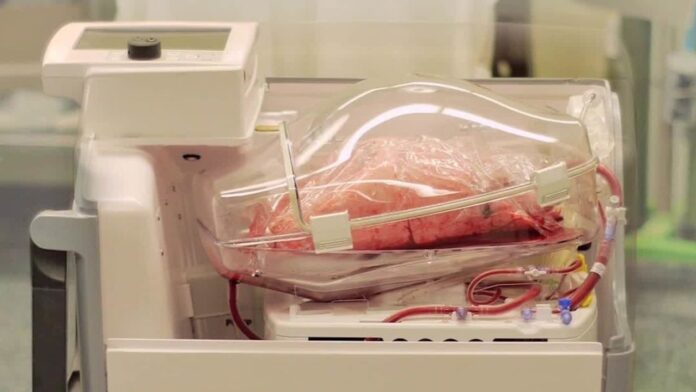
A groundbreaking and relatively low-cost methodology developed by surgeons at Vanderbilt and Duke universities is significantly improving the revitalization of hearts and their preparation for transplantation. This approach allows for the reanimation of a donor’s heart that has already stopped (after circulatory death) and its preparation for transplant. The procedure not only substantially increases the number of available organs but also circumvents the ethical dilemmas associated with traditional approaches.
Challenges in Heart Donation After Circulatory Death
Currently, most hearts designated for transplantation are procured from donors who have been declared brain dead but whose hearts are still beating. Such cases are insufficient to meet the growing demand. Additionally, there are donors declared deceased after circulatory death (DCD), for example, when a family decides to withdraw life support and the heart has been stopped for five minutes. These hearts require reanimation before transplantation.
This reanimation typically occurs in two ways:
After Organ Retrieval (Ex Vivo): The heart is removed from the body and reanimated on a machine (Ex Vivo Organ Perfusion System). This method is expensive and cannot be used for donors weighing less than 40 kilograms, automatically excluding most infants and children.
While Still in the Donor’s Body (In Situ): The heart is reanimated using Normothermic Regional Perfusion (NRP) while still within the donor’s body. This technique restores blood flow to the upper body. A serious ethical dilemma arises because if the heart is reanimated in the body without isolating the circulation, the declaration of death might become ambiguous. There’s a possibility that blood circulation could be restored to the brain of a person who was declared deceased based on circulatory death criteria. This leads to a conflict between the criteria for circulatory death and brain death. To avoid this ethical dilemma, specific clamps (aortic clamping) are always used during the procedure to prevent blood supply to the brain. In response to these challenges, new, safer, and more accessible methods have been developed.
Technique 1: On-Table Reanimation for Pediatric Hearts – Life for Small Organs
Dr. Joseph Turek, a pediatric cardiac surgeon at Duke University, and his team have developed a system for effectively reanimating small children’s hearts outside the body. This approach is unique because it bypasses the need for traditional, expensive perfusion machines, which are too large and unsuitable for the organs of infants and young children.
The procedure involves placing the heart in a sterile environment after its removal from the body. Then, oxygenated blood is delivered to the heart via a thin tube attached to the aorta. This blood supplies the heart muscle with oxygen and nutrients, essential for restoring its function. The deoxygenated blood then exits the heart through a left ventricular vent, collects in a specialized chamber for re-oxygenation, and is pumped back into the heart, creating a closed, low-cost circulatory system. The team successfully tested this method on 12-week-old piglets, followed by a historic first human trial where the heart of a one-month-old deceased infant was transplanted into a three-month-old baby. According to a NEJM report, three months later, the recipient’s heart was functioning normally, indicating the procedure’s high efficacy and safety. Turek states that this method has the potential to increase the number of pediatric heart transplants in the United States by 100 per year.
Technique 2: Rapid Heart Recovery in the Donor’s Body Using Controlled Flush – An Ethically Safe Approach for Adults
The second significant approach focuses on adult donors and allows the heart to be reanimated while still in the donor’s body, avoiding the controversial ethical aspects of NRP. Once the donor is declared circulatory dead (5 minutes after cardiac arrest), surgeons initiate a controlled, ultra-oxygenated flush protocol. This involves delivering an oxygen-rich solution to the heart at an average aortic pressure of approximately 80 mmHg. Crucially, this procedure aims to rapidly and effectively supply the heart muscle with oxygen and nutrients for its reanimation without restoring cerebral blood flow, thereby maintaining the strictest ethical standards. A NEJM report describes the first three cases using this method, all resulting in successful heart transplantation. The recipients exhibited normal biventricular function, showed no signs of acute cellular or antibody-mediated rejection, and early postoperative outcomes were excellent. No perioperative adverse events were recorded. Surgeons state that this procedure can also be used in children.
Impact and Future Perspectives
Robert Montgomery, a transplant surgeon at NYU, explains that these two techniques represent significant new advancements because they bypass the ethical challenges of existing methods while simultaneously increasing the potential number of donors. This is a step forward for the future of organ transplantation, promising to save more lives. The method offers hope to thousands of patients, especially children, who are awaiting a vital organ.
While the research is still in its early stages, the successful results achieved offer a chance for widespread adoption of the technology. Furthermore, the number of hearts available for transplantation globally is significantly increasing.
Sources:
Nature. (2025, July 23). Surgeons develop two low-cost techniques to revive donor hearts.
New England Journal of Medicine. (2025, July 17). Williams, A. M., et al. Rapid Recovery of Donor Hearts for Transplantation after Circulatory Death.
New England Journal of Medicine. (2025, July 17). Kucera, J. A., et al. On-Table Reanimation of a Pediatric Heart from Donation after Circulatory Death.
