


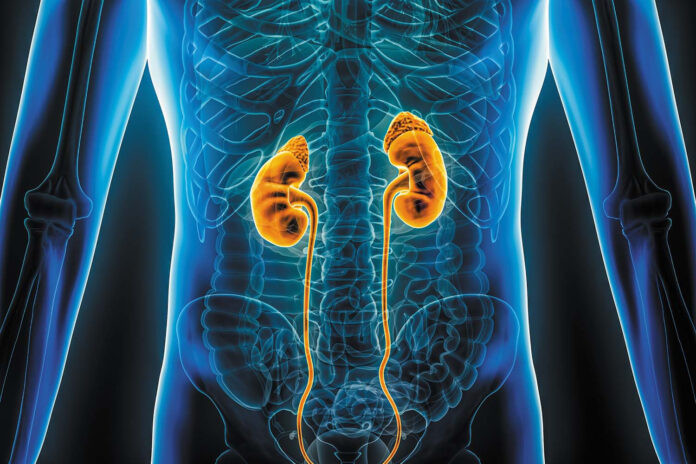
For decades, a fundamental axiom taught in medical textbooks was that fluid balance and kidny water conservation processes in the human body are almost entirely under the strict control of the endocrine system—specifically, antidiuretic hormone (ADH, also known as vasopressin). According to the classic physiological model, in response to dehydration or an increase in plasma osmolarity, hypothalamic osmoreceptors activate the neurohypophysis, releasing vasopressin into the bloodstream. This hormone binds to V2 receptors on the epithelial cells of the renal collecting ducts, triggering an intracellular signaling cascade that ultimately leads to the translocation of aquaporin-2 (AQP2) water channels into the apical membrane and massive reabsorption of water from the urine. However, a discovery published this week by a team of researchers at the Mayo Clinic has completely shattered this established paradigm. Scientists have uncovered a fully autonomous, local backup system within the renal medulla capable of managing fluid conservation entirely in the absence of hormonal stimulation.
This revolutionary discovery, published in the Journal of Clinical Investigation, occurred by serendipity during a laboratory study led by nephrologist Fouad Chebib. The researchers were studying the pathophysiology of polycystic kidney disease (PKD). It is well known that in this genetic disorder, high vasopressin activity stimulates fluid-filled cyst growth and cellular proliferation within kidney tissue, ultimately leading to chronic kidney disease. During the experiment, to observe the progression of the cysts, the scientists utilized the drug probenecid. It was anticipated that probenecid would accelerate the cellular activity required for cyst growth; however, the outcome defied all expectations—the drug significantly slowed down the progression of the disease.
An in-depth analysis of the molecular mechanisms driving this phenomenon led the scientists to a substance known as urate. This is the ionized form of uric acid, traditionally associated in clinical medicine with gout and kidney stones. As it turned out, renal medullary cells mobilize internal mechanisms in response to local osmotic stress, where urate acts as a non-steroidal and non-hormonal signal. This urate-dependent pathway independently activates the trafficking of aquaporin water channels, allowing cells to conserve water from the filtrate and concentrate urine maximally even in the absolute absence of vasopressin. This marks the first time in medical history that a chemical compound completely independent of hormones has been proven to participate directly in the regulation of water reabsorption.
This scientific breakthrough holds immense practical and clinical significance. Currently, the only approved method for managing polycystic kidney disease is the blockade of vasopressin receptors using specific medications (such as tolvaptan). However, this therapy is accompanied by a severe side effect—due to the hormonal blockade, patients lose tremendous amounts of fluid, with daily urine output frequently reaching 6 to 7 liters. The resulting polyuria and nocturia drastically impair the patients’ quality of life, causing many to discontinue treatment prematurely. The new data from the Mayo Clinic demonstrated that modulating this hidden, urate-dependent pathway via probenecid not only slows cyst growth but does so without causing such massive and dramatic fluid losses from the body.
Beyond polycystic kidney disease, this new model of renal physiology could radically alter approaches to other critical conditions. Examples include patients with central diabetes insipidus, where the pituitary gland cannot produce antidiuretic hormone at all, or the management of patients in intensive care units experiencing severe fluid osmotic imbalances. The discovery of the renal medulla’s capacity to manage its own homeostasis independently opens the door to creating an entirely new class of medications. These will bypass the traditional endocrine axis and act directly at the renal cellular level, potentially sparing millions of patients from the necessity of dialysis and kidney transplantation.
