


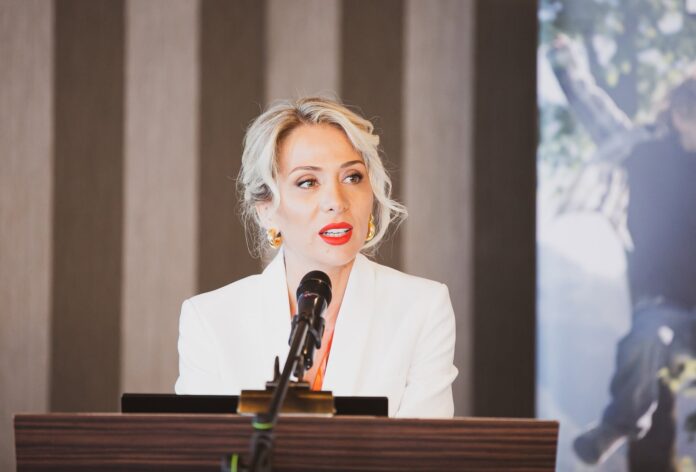
Last week, I participated in a CME-accredited seminar organized by the Open Medical Institute (OMI), dedicated entirely to Pediatric Palliative Care (PPC). The course took place from August 30 to September 5, 2026, at Schloss Arenberg in Salzburg, Austria, organized in collaboration with the Children’s Hospital of Philadelphia (CHOP).
A total of 36 physicians and clinicians from 28 countries gathered together—selected from over 200 applicants, underscoring the immense global interest and demand in this field.
The course was led by Dr. Shefali Parikh, Director of the Ingerman Center for Palliative Care and Head of the Section of Pediatric Palliative Care at CHOP. She was joined by three faculty colleagues representing complementary disciplines: Patrick Ahern, a palliative care nurse practitioner and clinical manager at CHOP; Dana Dombrowski, a medical social worker and psychosocial program coordinator for the palliative team; and Dr. Victoria Johnson, an attending physician in palliative medicine who also leads CHOP’s VitalTalk communication education program.
This collaborative model—bringing together a pediatrician, a palliative medicine specialist, and a psychosocial worker—is precisely the framework our healthcare system urgently needs to integrate. Our American colleagues demonstrated how a truly multidisciplinary team functions when caring for a critically ill child. This encompasses:
-
Communicating with families with clarity, honesty, and deep empathy;
-
Prioritizing the child’s quality of life by managing pain and distress so they can spend their remaining time as comfortably and fully as possible;
-
Preparing families for an inevitable outcome by guiding them through grief and bereavement, offering support both in the present and over the long term.
This approach relies on collective effort and functions as a unified care system rather than the isolated responsibility of a single practitioner.
Throughout the seminar, we examined modern protocols for pain and symptom management, compassionate delivery of serious news, family-centered shared decision-making, grief and bereavement support, and end-of-life care principles. The sessions on difficult communication generated exceptional interest, with many clinicians noting that this critical skill was a notable gap in their core medical education.
Each participant also had the opportunity to present a clinical case from their home country, receiving multifaceted feedback from faculty and peers—an experience that proved immensely valuable.
The foundational principle of pediatric palliative care is honoring each child and family as individuals: respecting their values, hopes, cultural backgrounds, and unique priorities amidst life-limiting illness. Professional exchange through programs like this strengthens multidisciplinary collaboration and accelerates the development of palliative care systems worldwide. The interdisciplinary care model demonstrated by CHOP—where pediatricians, palliative specialists, and psychosocial clinicians work in unison—is entirely viable and vital for implementation in our own practice.
Author: Eka Kipiani, Pediatrician
