


What happens to the immune system when someone lives to 110? Does it collapse under decades of wear and tear, succumbing to the inevitable decline known as immunosenescence? Or does it find ways to keep working, operating differently than it did in youth?
This question matters not just for understanding extreme longevity, but for redefining healthy aging. Supercentenarians – those who reach 110 and beyond – are more than lifespan outliers; they maintain remarkable health past 100, successfully avoiding or delaying major killers like cancer, cardiovascular disease, and dementia.
When researchers analyzed immune cells from ten supercentenarians, they discovered something unexpected. A rare subset of T cells, typically sparse throughout life, had expanded dramatically by age 110. While highly differentiated, these cells showed no signs of exhaustion. Instead of a failing system, they revealed one uniquely adapted to extreme old age.
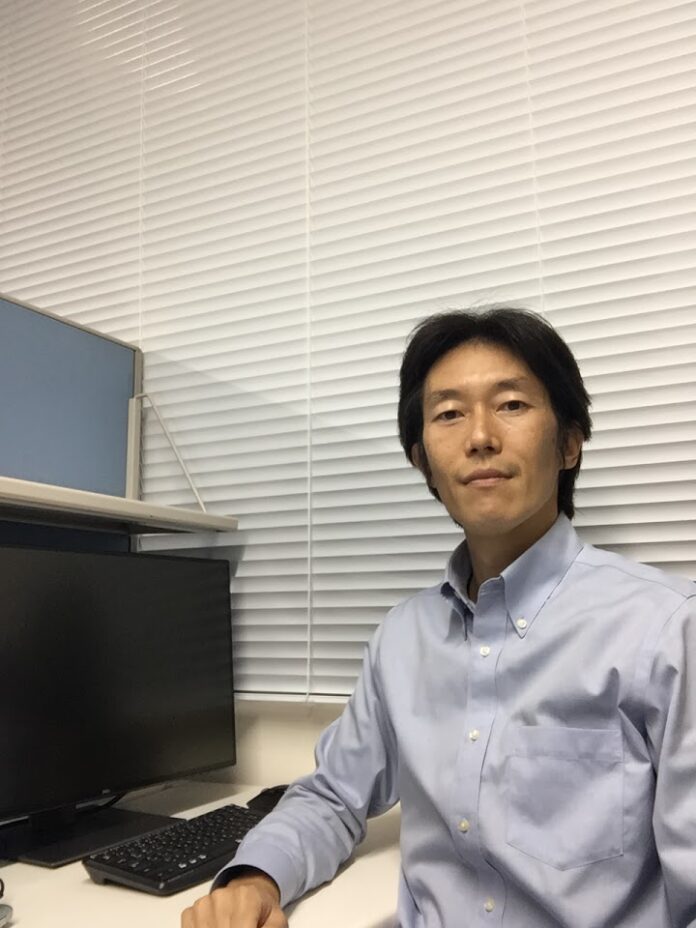
Published in Cell Reports, the study suggests that immune aging is not a simple decline, but a process of selective adaptation. We spoke with lead researcher Kosuke Hashimoto about this discovery, the challenges of studying extraordinarily rare individuals, and the cancer database matches that raise more questions than answers.
What made you decide to study supercentenarians’ immune systems in the first place, and what was the moment when you realized you were looking at something that might change how we think about immune aging?
My background is in bioinformatics and single-cell genomics, and a collaboration between RIKEN and Keio University gave me a rare opportunity to study supercentenarians. What fascinates me is that people who reach 110 often already have remarkably good health at around 100; they have a long healthspan, not just a long lifespan.
The turning point was our 2019 study, where we found that CD4 cytotoxic T cells were markedly and clonally expanded in supercentenarians. From then on, the question was no longer only what declines with age, but whether parts of the immune system continue to adapt.
What was the hardest part of studying supercentenarians, given how extraordinarily rare they are?
There are only around 150 supercentenarians in Japan at any time, so obtaining samples from ten of them was itself a major achievement, made possible by Keio University’s long-running recruitment.
For me, the hardest part was time. The single-cell datasets were very large, and we examined many aspects of the immune cells beyond CD4 CTLs. We also had to integrate public datasets from many age groups and check that the findings held across them. The project took several years.
The prevailing story in immunology is “immunosenescence” – the idea that the immune system inevitably declines with age. Your findings suggest something different: are we looking at decline or adaptation, and if it’s adaptation, what is the immune system adapting to?
Both. Well-known features of immune aging, such as reduced output of new T cells, are real. But in supercentenarians, CD4 CTLs had expanded strongly and were highly differentiated, yet showed no clear signs of exhaustion and still responded to stimulation, at least ex vivo. That looks like selective adaptation, not simple deterioration.
We think they are adapting to persistent challenges that accumulate with age: senescent cells, abnormal cells, and reactivated latent viruses. Identifying the exact targets is our main goal.
CD4 CTLs seem to break the textbook rules: we are taught that CD4 cells are helpers and CD8 cells are killers, yet these cells are both. Can you walk us through what they do and why finding them in such high numbers in supercentenarians was so surprising?
CD4 CTLs are CD4 T cells that can also directly kill target cells. They are rare in healthy blood and have mainly been studied in chronic infection, cancer, and inflammatory disease.
Among all T cells, the median proportion of CD4 CTLs was 4.0% in people in their 70s to 90s, 9.6% in centenarians, and 17.6% in people aged 110 and older. In public data spanning ages 0 to over 110, these cells remain uncommon through most of life and increase markedly around 100. An accumulation of highly differentiated T cells with age is well known, but what surprised us was that a rare CD4 subset became a major population through the expansion of a few clones, without clear signs of exhaustion.
One of the most intriguing findings was that the T cell receptor sequences from your supercentenarians matched sequences found in cancer patients (lung, breast, and liver cancer) even though none of your supercentenarians had those cancers. What do you make of that, and how confident should we be in what those matches mean?
This is a good point, and I think the matches should still be regarded as suggestive. We matched only the TCR beta chain, and the matches were to bulk sequencing data from cancer samples, so a match alone does not prove that the cells recognize the same antigen. We are now planning to compare our data with the growing number of single-cell datasets from cancer, which will allow a much more direct comparison.
Supercentenarians are extraordinary not just because they live so long, but because they stay healthy for so long. Do you think CD4 CTLs are part of the explanation for that, or are they just one piece of a much bigger puzzle?
Our study is cross-sectional, so it cannot establish causation. That said, reaching 110 in good health requires many conditions to be met at once, and maintaining immune function at advanced ages is likely to be one of them. What our data suggest is how that may be achieved: not by preserving a youthful immune system, but by remodeling it, focusing T-cell responses on the persistent targets that accumulate with age. CD4 CTL expansion may be one visible sign of that remodeling.
Given the study’s limitations (small sample size, analysis limited to blood cells…), what would it take to move from ‘this is fascinating’ to ‘this is clinically actionable’?
The biggest limitation is that we only looked at T cells circulating in the blood. If CD4 CTLs really do what we think, they should be killing cells somewhere in the body, and we need to find where. Cancer is one candidate, but they might equally be removing senescent cells in the skin or killing abnormal antigen-presenting cells. The first step is to find out where these cells are and what they are doing; whether any of this can be translated into clinical practice is a question for after that.
What’s the next study you want to do?
Next, I want to look at T cells that have infiltrated tissues and tumors. The first step is public data: there are now single-cell datasets from many human tissues. Almost none come from people over 100, but CD4 CTLs should be present in small numbers even in younger people, so these datasets can tell us where to look. Samples from people aged 110 are extremely limited, so once we have strong candidate tissues or targets, we can then confirm them in supercentenarian tissue.
There is a lot of hype around anti-aging research. How do you balance excitement about these findings with appropriate scientific caution?
I do not think of my work as anti-aging research. Our aim is to understand the immune system, in the hope that this understanding may one day help treat disease. Our study looks at only one aspect of longevity, the immune system. That is one of many conditions that must be met to reach 110, and no single one of them is enough on its own.
The most powerful factors in healthy aging are the ones everyone already knows: moderate exercise, a sensible diet, good sleep, and a calm mind. So when the excitement runs ahead of the evidence, the most useful thing I can do is to remind people of that.
If you could leave readers with one key message to help them understand where these findings truly stand, what would it be?
Immune aging may not simply be a process of decline. Even at extreme old age, the immune system may still selectively adapt to persistent challenges. That is what the data support today. Where these cells act in the body, what they recognize, and whether they actually contribute to healthy aging are the open questions we now need to answer.
