


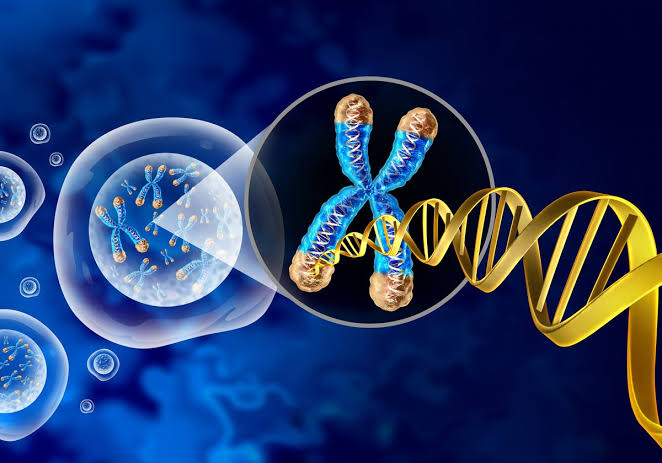
According to a study published in the journal PNAS Nexus, scientists have achieved a critical breakthrough in genetic research on Down syndrome. An international team of researchers (Ryotaro Hashizume et al.) successfully used the gene-editing tool CRISPR-Cas9 to safely and selectively eliminate the extra chromosome 21 from human cells.
Down syndrome (trisomy 21), which affects approximately 1 in 700 newborns, is caused by the presence of a third, extra copy of chromosome 21. Previously existing methods to eliminate this superfluous chromosome were either imprecise or carried the risk of damaging all three chromosomes present in the cell.
In the new study, scientists developed an “allele-specific” (AS) approach. They programmed the CRISPR-Cas9 system to target only the specific, extra chromosome and induce multiple cuts across it. As a result, the cell eliminated the targeted extra chromosome while leaving the remaining two chromosomes—essential for healthy functioning—entirely intact.
Key Findings of the Study:
-
Success Across Diverse Cell Types: The procedure was carried out effectively in both induced pluripotent stem cells (iPSCs) and differentiated skin cells, specifically fibroblasts. Crucially, the technique also functioned effectively in non-dividing cells.
-
Cellular “Rescue”: Observations demonstrated that eliminating the extra chromosome restored normal gene expression. This process also improved the cellular phenotype, meaning the cells functioned significantly better and showed a marked reduction in cellular stress.
-
Strategies to Enhance Efficiency: The researchers discovered that transient knockdown of DNA repair genes (LIG4, POLQ) proved beneficial to the process, considerably boosting the likelihood of successfully eliminating the fragmented, extra chromosome from the cell.
Although substantial further research is required before this technology can be applied clinically in patients, the authors emphasize that this achievement is groundbreaking. It lays a solid foundation for future high-tech medical interventions capable of treating not merely the symptoms, but the fundamental genetic causes of Down syndrome and other chromosomal abnormalities.
