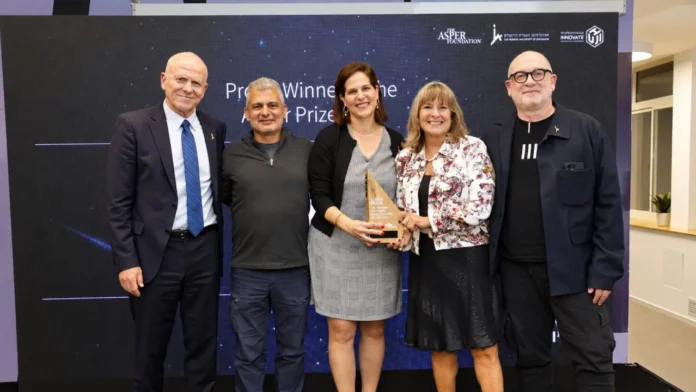
Biotech startup ViVac Pharma, which is working on a novel method to activate the immune system against cancer, has won the Hebrew University of Jerusalem’s 2026 Asper Prize along with a 100,000 NIS award. The company is developing programmable RNA immunotherapy to treat solid tumors—specifically liver and ovarian cancers at this stage.
How does the new technology work?
ViVac’s platform utilizes synthetic RNA replicons and engineered lipid nanoparticles that deliver genetic instructions directly into tumor cells. The central premise is to mimic a viral infection inside the tumor (without using a live virus), enabling the immune system to “see” the malignancy and launch a coordinated attack.
The process aims not only to activate immune cells and antibodies, but also to establish immune memory, making it easier for the body to identify and eliminate cancer cells in the future.
The startup was co-founded by Hebrew University Professor Chezy Barenholz, co-inventor of the well-known cancer drug Doxil, and Dr. Lior Nissim, head of the university’s Synthetic Biology Laboratory. The company is led by CEO Keren Leshem.
It is worth noting that at this stage, the Asper Prize recognizes the technology’s potential and promising scientific rationale rather than clinically proven therapeutic efficacy.
“I believe that our great-grandchildren will look back on this era with regret and wonder how people once died of cancer,” said Dr. Nissim.
Awarded by the Hebrew University’s Innovation Center and The Asper Foundation, the Asper Prize fosters the translation of academic research into commercial solutions. ViVac Pharma competed in the finals alongside startups developing blood tests for Parkinson’s disease, brain organoids, artificial intelligence, and innovative blood transfusion technologies.