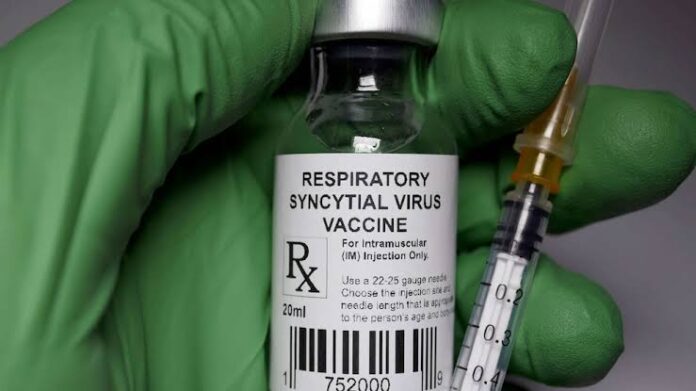
The recently introduced vaccines against respiratory syncytial virus (RSV) and monoclonal antibodies have significantly reduced hospitalization rates among vulnerable groups, including infants and older adults. RSV is a widespread respiratory infection that causes mostly mild, common-cold-like symptoms in adults. However, in young children and older people, it can lead to severe lung inflammation, bronchiolitis and life-threatening complications. International data from Denmark, Scotland, Argentina and Chile confirm the high effectiveness of immunization against the virus.
“There must be something wrong with the data. There are very few patients in hospitals,” epidemiologist Caroline Klint Johannesen recalls a colleague saying as she analyzed healthcare records from last winter.
On 1 October 2025, Denmark launched a national RSV vaccination programme for pregnant women. Antibodies produced by the mother’s immune system in response to the vaccine cross the placenta and protect the newborn during the first six months of life — precisely when the respiratory virus poses the greatest threat. High-risk newborns, including premature infants, whose mothers were not vaccinated, were given direct injections of monoclonal antibodies. According to Johannesen, this approach sharply reduced infant hospitalization rates.
Global statistics and risks
According to the World Health Organization (WHO), RSV causes 3.6 million hospitalizations and approximately 100,000 deaths among children under the age of five every year. Low- and middle-income countries account for 97% of these fatalities.
The virus is also a serious threat to older adults, although this risk is often underestimated. Among people over 60, hospitalization and mortality rates increase with age, particularly in those with underlying cardiovascular or chronic lung diseases. According to the US Centers for Disease Control and Prevention (CDC), RSV caused between 10,000 and 25,000 deaths annually in each of the past two winters.
Expanding the arsenal and new evidence
In 2022, European regulators approved nirsevimab, a long-acting monoclonal antibody against RSV. Since then, another antibody for adults and three vaccines have been developed, one of which is also suitable for use during pregnancy. “It is simply astonishing that we have gone from having no tools to prevent RSV to having such a wide range of options,” says paediatrician Buddy Creech.
According to research by Ting Shi, an epidemiologist at the University of Edinburgh, all three immunization approaches — monoclonal antibodies, maternal vaccination and vaccination of older adults — provided 70–80% protection against the virus, with no new safety concerns identified.
National and regional data are also encouraging:
-
Scotland: Following the initial introduction of the vaccine for people aged 75–79, hospitalizations in this age group fell sharply.
-
Argentina: After mandatory vaccination for pregnant women was introduced, infant hospitalizations in the Buenos Aires region fell by 34%.
-
Chile: Following the introduction of monoclonal antibody injections for newborns, hospitalization rates dropped by 77%.
Strategies for protecting infants are likely to be further refined as more evidence becomes available. Maternal vaccination is relatively inexpensive and can be easily integrated into existing healthcare programmes. However, direct injections of antibodies into newborns remain essential for protecting infants who have not benefited from maternal vaccination — for example, in cases of premature birth, when there may not have been enough time for antibodies to be transferred from the mother’s body to the baby.
According to experts, protecting patients in developing countries remains the most pressing challenge. Reducing vaccine prices and raising awareness could make immunization programmes in low-income countries far more impactful, as the highest mortality burden from RSV is concentrated in these regions.