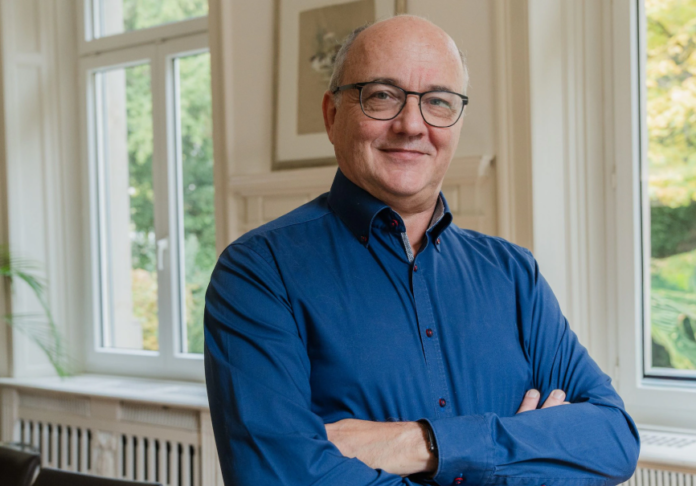
Preventive medicine physician Dr. Simon Feldhaus explains in an interview with The Telegraph why he does not favor prohibitions—including when it comes to alcohol—if we want to live a long and healthy life. As he explains, “Alcohol is a toxin, yet our relationship with it is far more complex than the fear-based narrative that healthcare professionals often impose on us.”
The doctor describes his own attitude toward alcohol as “enjoyment, but within boundaries.”
“Taking care of your health is sensible—who wouldn’t want to enjoy life for as long as possible? But what is the point of a long life if it is full of restrictions and prohibitions and devoid of joy? At 58 years old, my best memories with friends are definitely tied to wine or beer. Having dinner together, savoring a drink, laughing, and sharing stories have given me immense pleasure over the years, so I certainly don’t plan to stop that. I’m not claiming that alcohol is necessary or completely safe, though I believe our relationship with it is much more multifaceted than today’s fashionable, fear-driven approach.
“Much of modern medicine is motivated by fear: fear of food, fear of alcohol, fear of life. However, three decades of medical practice have taught me that among all the emotions a human being experiences, fear itself is the most toxic to the body,” explained longevity and preventive medicine doctor Simon Feldhaus.
The doctor also added that alcohol is a toxin and serves no vital biological role in the human body. According to the World Health Organization, there is no safe amount of alcohol consumption.
He also noted that our genetics determine how much alcohol the body can “tolerate”:
“To carry out chemical transformations, the liver relies on enzymes—the best known of which is the cytochrome system—and the instructions for producing these enzymes are encoded in our DNA. Some people produce these enzymes very efficiently and can tolerate reasonable amounts of alcohol without issue, while others produce them weakly or lack certain enzymes altogether. This is called genetic polymorphism, and it is precisely what explains why two people with the same lifestyle can react completely differently to alcohol, medications, or supplements,” he explained.
Dr. Simon Feldhaus is the medical director of the Swiss branch of The Balance Rehab Clinic and president of the Swiss Society for Anti-Aging and Preventive Medicine (SSAAMP). He has worked in the field of longevity medicine for 15 years.
Source: Telegraph.co.uk