



A 6-year-old child from Michigan has become the first patient in the United States to receive an Autus Valve, an expandable synthetic pulmonary heart valve, as part of an ongoing U.S. Food and Drug Administration review process. The procedure was performed at University of Michigan Health C.S. Mott Children’s Hospital in August 2026.
The Autus Valve is designed for children who need surgical replacement of the pulmonary valve. Unlike traditional tissue valves, which are limited by a child’s growth and may deteriorate over time, the Autus Valve can be expanded with a minimally invasive balloon procedure as the child grows. This may reduce the number of future open-heart surgeries needed for valve replacement.
How the valve works
The Autus Valve is made with thin polytetrafluoroethylene leaflets rather than biological tissue. It is fully synthetic and balloon-expandable. The valve can be adjusted before implantation to match the child’s body size and later expanded through a catheter-based balloon procedure without repeat open-heart surgery.
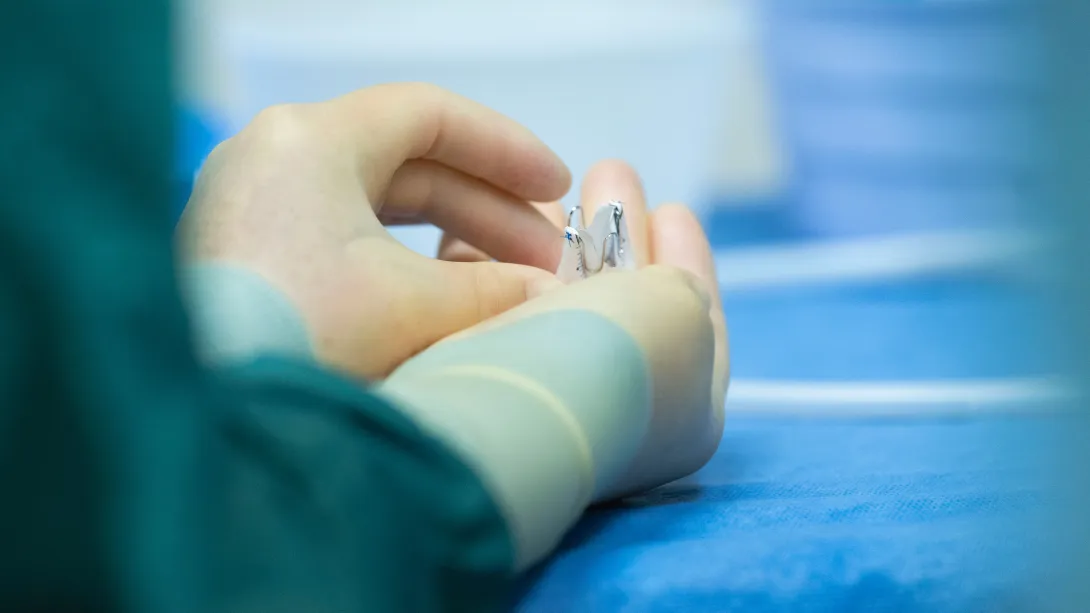
It is intended for children aged approximately 18 months to 16 years who require surgical pulmonary valve replacement. The Continued Access study follows patients before implantation, immediately after surgery, at discharge, at 30 days, 6 months, and annually for up to 10 years.clinicaltrials+1
What “Continued Access” means
The procedure at C.S. Mott was performed under a Continued Access study, which allows eligible patients to receive the device while the FDA reviews results from the pivotal trial. This is not yet commercial approval. The FDA’s review and any subsequent approval are required before the valve can be offered more broadly outside the study.beckershospitalreview+1
C.S. Mott Children’s Hospital was among 12 U.S. centers that participated in the pivotal trial and has extensive experience with the device. It is currently the only approved Continued Access site in the Michigan, Indiana, and Ohio region.
Early clinical results have shown favorable safety outcomes, and some children in the main trial have already reached the stage where their valves were successfully expanded. However, long-term durability and performance of the synthetic leaflets over many years are still being studied. Continued Access patients will be followed for years to add to the evidence base.
Source: Michigan Medicine
