


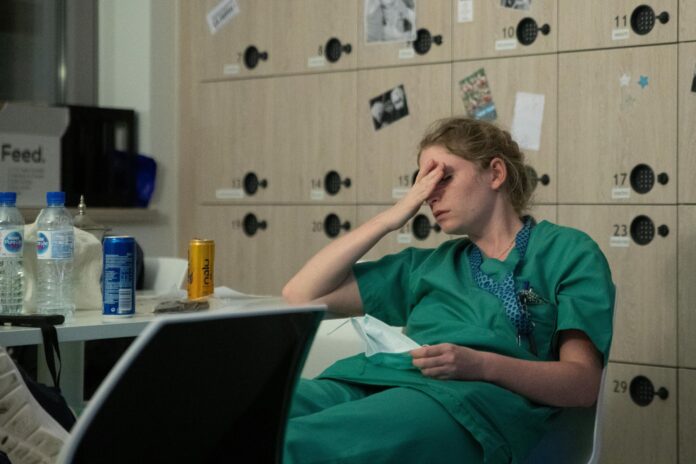
According to a new study by researchers at Cardiff University, Welsh nurses working during the pandemic experienced high levels of moral injury, which is closely linked to depression and the desire to leave the profession. Published in the journal Nursing Open, the paper highlights the long-term psychological impact of working conditions during the pandemic and the urgent need for targeted mental health support for medical personnel.
Moral injury occurs when healthcare professionals are unable to act in accordance with their ethical values due to organizational or environmental constraints. During the pandemic, nurses often faced decisions that conflicted with their professional responsibilities, frequently due to shortages of staff and protective equipment.
The study’s primary findings show a direct correlation between moral injury and depressive states. Particularly high stress was recorded among nurses who were redeployed to different departments, those with 2 to 6 years of work experience, and those who treated more than 40 COVID-19 patients. Among the respondents, the scores of 41 participants met the criteria for Post-Traumatic Stress Disorder (PTSD), while 17% reported symptoms of Long COVID.
Although most participants plan to remain in the profession, one in five respondents questions their future in the medical field. Researchers believe that the psychological legacy of the pandemic has not disappeared, and without proper intervention, the system may lose qualified personnel. As nurses are the backbone of the healthcare system, organizations must take the issue of moral injury seriously.
The researchers recommend the establishment of independent and accessible psychological support systems alongside organizational reforms. They argue that the lessons learned during the pandemic should form the basis for long-term planning, which includes prioritizing staff well-being, improving the work environment, and addressing staffing shortages to ensure patient safety.
