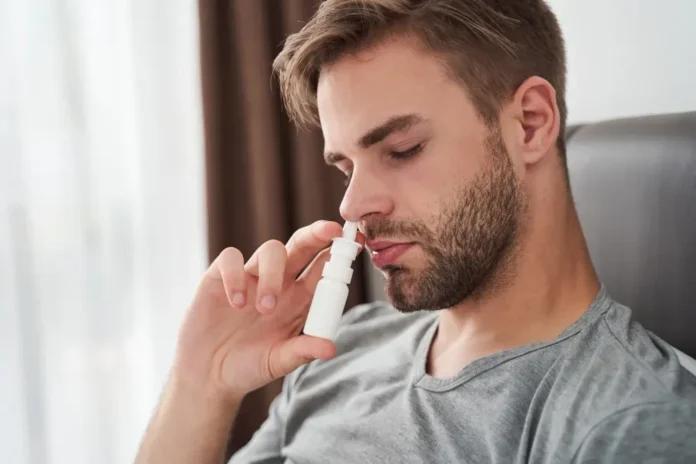
According to a new clinical study published in JAMA, a single dose of mebufotenin benzoate, a fast-acting psychedelic nasal spray, significantly alleviates treatment-resistant depression and eliminates the need for patients to remain in a clinical setting for extended periods.
Major depressive disorder robs patients of their enjoyment of life and leaves them in a state of profound despair for months. The problem is compounded by the fact that approximately one-third of patients, around 33%, develop treatment-resistant depression. In such cases, standard antidepressants are ineffective, worsening quality of life, deepening emotional distress, and sharply increasing the risk of suicide.
Scientists see psychedelic therapy, involving substances such as psilocybin and LSD, as a potential way out of this impasse. However, the intense and prolonged hallucinogenic effects of these substances can require patients to remain in a medical facility for 4 to 12 hours.
To overcome this logistical barrier, researchers tested mebufotenin benzoate, a short-acting compound. After being administered as a nasal spray, the drug binds to and activates two key serotonin receptors in the brain, 5-HT1A and 5-HT2A, helping regulate mood and perception.
Researchers studied 193 patients aged 18 to 75 at 38 clinics across the United States, Australia, and Europe. All were experiencing severe treatment-resistant depression, having failed to respond to between two and five previous treatments. Each participant received a single intranasal dose of the drug: 12 mg, 8 mg, or a control dose of 0.3 mg.
Ninety minutes after administration, medical staff began assessing the patients’ condition every 30 minutes. The psychedelic effects subsided rapidly: 85% of participants in the 8 mg group and 78% in the 12 mg group met all safety criteria and were discharged from the clinic in just two hours.
Within one day of receiving the medium or high dose, symptoms of severe depression had eased, and the therapeutic benefits persisted for eight weeks. At the four-week mark, on a 60-point clinical rating scale, the higher doses reduced depression scores by five points more than the control treatment. Furthermore, approximately one-third of patients who received 8 mg or 12 mg experienced at least a 50% reduction in their symptoms.
The study authors conclude that a prolonged psychedelic state is not necessary to achieve a robust antidepressant effect. In the next phase, researchers plan to conduct longer-term follow-up and investigate whether repeat dosing is necessary.