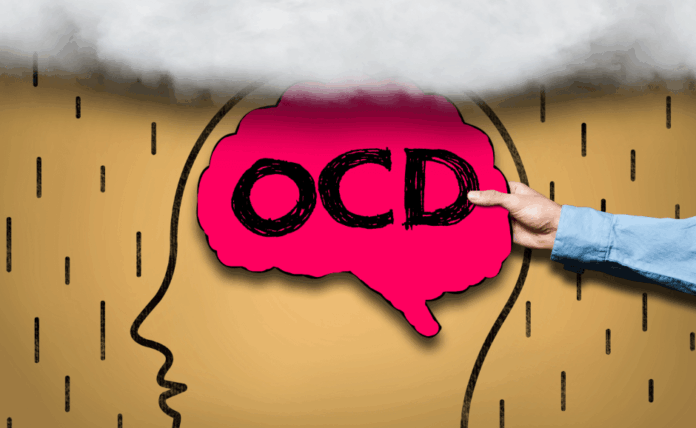
For years, scientists believed that individuals with Obsessive-Compulsive Disorder (OCD) or various types of addiction were trapped in a sort of “closed loop,” where the mind automatically repeats the same actions, leading to a loss of self-control. However, a recent study from the University of Technology Sydney (UTS) has turned this notion upside down, suggesting that the problem may lie in an entirely different biological mechanism.
Neuroscientist Laura Bradfield explains that ordinary habits are helpful; they allow us to perform routine tasks without much thought. However, people with compulsive behaviors perform these actions not unconsciously, but rather with intense internal effort and concentration. For instance, someone who constantly washes their hands does so because they are deeply concerned about cleanliness, and at that moment, their mind is hyper-actively engaged.
Experiments conducted on rats showed that when inflammation occurs in the part of the brain responsible for decision-making, behavior does not actually become automatic. On the contrary, the animals exhibited more control over their actions, assigning great significance to every step. This suggests that compulsion may not be a sign of a “switched-off mind,” but rather the brain’s attempt to exert more control over a situation than is necessary.
This discovery fundamentally shifts treatment strategies and opens new perspectives for both clinicians and patients. While therapeutic courses previously focused on helping individuals break away from automatic behaviors and overcome subconscious impulses, the new research indicates that the root of the problem lies not in habits, but in biological processes within the brain—specifically, neuroinflammation.
Ultimately, this means that compulsive behavior is not a lack of willpower or simply a learned error; it is the brain’s reaction to internal inflammation, which forces the mind into a state of hyper-conscious control and tension.
The primary target for treatment is now the stabilization of the environment in which brain cells function. Scientists suggest that medications targeting astrocyte function and the reduction of neuroinflammation will prove far more effective in overcoming these complex disorders.
This biological approach is complemented by essential lifestyle measures, such as regulating sleep patterns and increasing physical activity. Through this comprehensive method, it becomes possible to relieve the internal tension that compels individuals to repeat obsessive actions.