


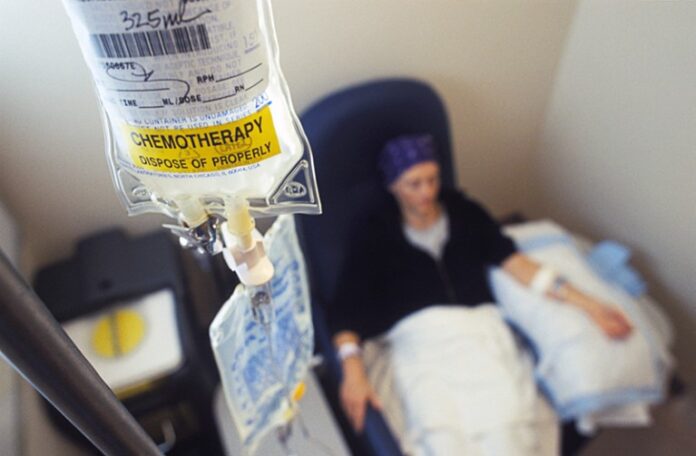
According to a new report by the World Health Organization (WHO), despite scientific progress achieved in the treatment of oncological diseases, the global reality for millions of patients has barely changed. The organization warns the public that cancer cases worldwide are rising at an alarming rate, while a growing disparity between countries remains evident in terms of access to prevention, diagnostics, and treatment.
According to the report, one in five people globally will develop cancer during their lifetime, and the disease will affect 92% of the global population, either through a personal diagnosis or the illness of a family member. Approximately 20.6 million new cancer cases are detected globally each year, with the mortality rate reaching 10 million. Specialists predict that by 2050, the situation will worsen further, and the number of global cases is expected to rise to nearly 35 million.
Furthermore, the report highlights the growing inequality. In high-income countries, 85% of patients with breast and childhood oncological diseases survive for at least 5 years after diagnosis, whereas in low-income regions, this figure drops to less than 30%. The global imbalance is also underscored by the fact that 23 countries currently lack radiation therapy equipment entirely.
The study revealed that in two-thirds of countries, cancer treatment is not covered by universal healthcare programs. Due to catastrophic costs, up to 90% of patients in certain regions are forced to discontinue their treatment. In addition, due to social stigma, some women prefer death over undergoing a mastectomy.
Amidst these negative forecasts, the report also highlights positive trends. The process toward the full elimination of cervical cancer is advancing significantly, and global tobacco consumption is on the decline. Most countries have already developed national cancer control plans.
According to specialists, 40% of new cases are linked to manageable risk factors, such as tobacco, infections, alcohol, and obesity. WHO experts urge the international community and governments to value patient care as much as the cure itself and to fully fund cancer services—spanning from prevention and diagnostics to rehabilitation.
