
Three patient deaths have forced a pause in several clinical trials testing CAR T-cell therapies for autoimmune and neurological diseases, raising urgent questions about how the treatment can be made safer without abandoning a potentially transformative approach.
On August 24, Novartis suspended eight phase 2 and phase 1/2 trials of rap-cel, an autologous CD19-targeting CAR T-cell product being studied in conditions including systemic lupus erythematosus, lupus nephritis, systemic sclerosis, Sjögren disease and rheumatoid arthritis. The patients developed immune effector cell-associated hemophagocytic lymphohistiocytosis-like syndrome, or IEC-HS, and all three later died.
Bristol Myers Squibb subsequently introduced a voluntary pause in studies of its rival product, zola-cel, as a precaution after transient inflammatory events. The companies’ decisions have unsettled a field that had generated considerable excitement after early studies suggested that a single CAR T-cell infusion might produce deep and sustained remission in some autoimmune diseases.
A promising but experimental approach
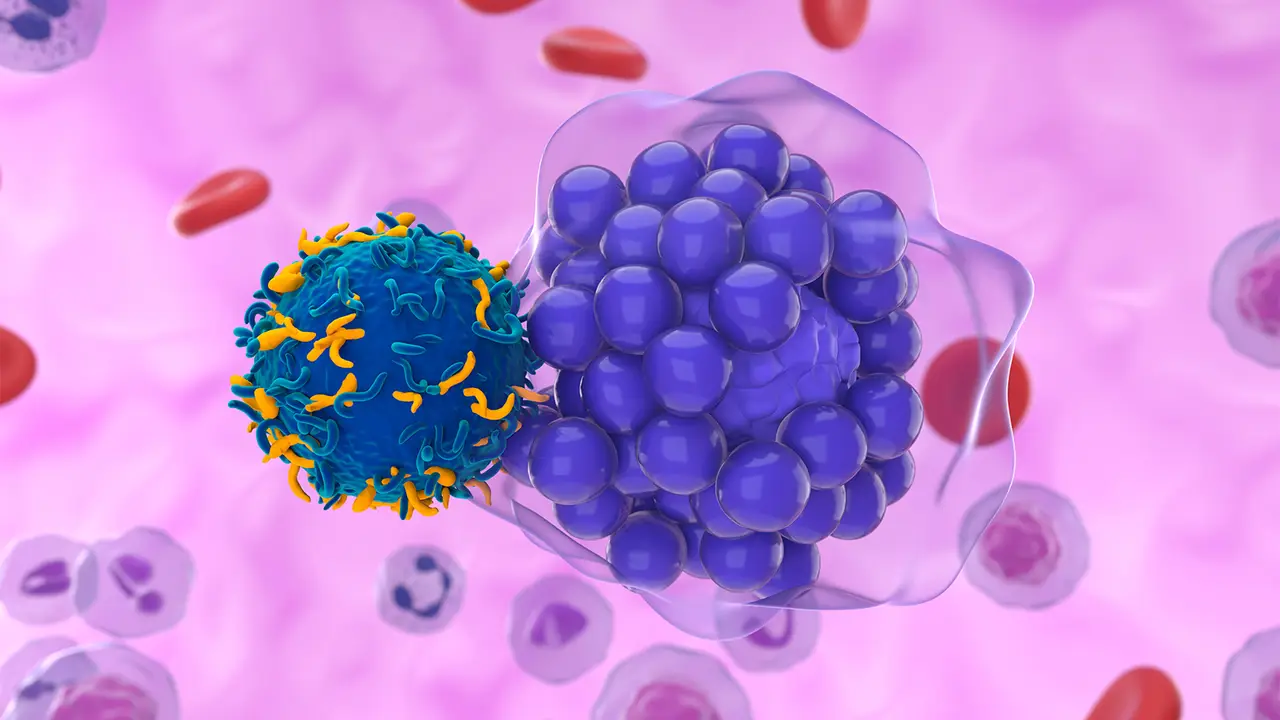
CAR T-cell therapy was developed primarily for certain blood cancers. The treatment involves removing a patient’s T cells, genetically modifying them to recognize a target such as CD19, expanding the cells and returning them to the patient. In autoimmune disease, the goal is to eliminate disease-driving B cells and potentially reset the immune system rather than suppress it continuously.
A January study of 24 patients with systemic lupus, systemic sclerosis and idiopathic inflammatory myopathies reported encouraging results with zorpo-cel, a similar product that was not part of the paused rap-cel or zola-cel trials. Nine of 10 patients with lupus reached remission, all nine patients with systemic sclerosis showed no disease progression, and four of five patients with inflammatory myopathies achieved a major or moderate response. The study reported moderate cytokine release syndrome in some patients and no immune effector cell-associated neurotoxicity syndrome.
Those findings helped establish the rationale for further trials, but they did not remove the risks associated with cellular therapy. The recent deaths show that promising efficacy cannot be separated from careful monitoring, patient selection, manufacturing and toxicity management.
What is IEC-HS?
IEC-HS is a severe inflammatory complication associated with immune effector cell therapies. It has features of secondary hemophagocytic lymphohistiocytosis or macrophage activation syndrome and may occur independently of, or after worsening, cytokine release syndrome.
The conditions are related but not identical. Cytokine release syndrome generally occurs early, when infused CAR T cells engage their target and activate a broad inflammatory response. IEC-HS more often develops after cytokine release syndrome has peaked or begun to resolve. It involves a feedback loop between CAR T cells and the patient’s macrophages and other immune cells, potentially leading to uncontrolled inflammation and organ damage.
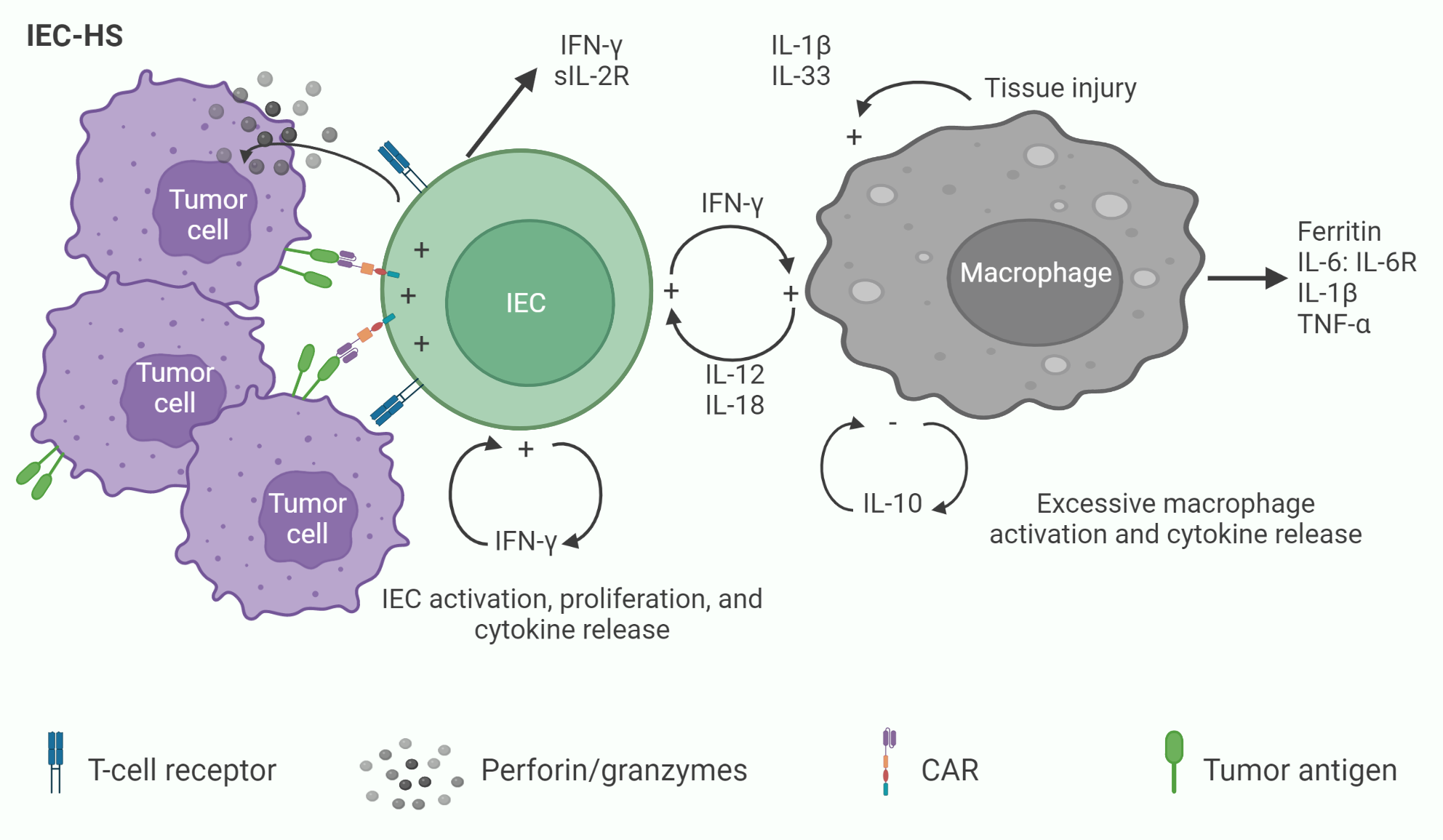
In a real-world study of 301 adults treated with commercial CAR T-cell products for blood cancers, IEC-HS occurred in 14 patients, or 4.7%, with onset at a median of 10 days after infusion. Experts emphasize that the available evidence does not yet establish that autoimmune disease itself creates an intrinsically higher risk; the recent autoimmune deaths require detailed investigation rather than a simple explanation.
Why the cause is not yet clear
Researchers have proposed several possible contributors, but none has been confirmed as the cause of the deaths. One question concerns rapid manufacturing platforms used to produce CAR T cells more quickly. A faster process may shift more cell proliferation from the laboratory into the patient, potentially producing highly active cells that expand rapidly after infusion.
That could matter especially in autoimmune disease, where treatment is usually not needed within the same emergency timeframe as aggressive blood cancers. A slower or more controlled product, a lower cell dose or different manufacturing process could potentially reduce inflammatory risk, but these possibilities require evidence.
Other factors may also be involved. Investigators will need to examine the underlying autoimmune diseases, disease activity at treatment, infection or viral reactivation, fever, previous immunosuppressive or chemotherapy exposure, cell dose, CAR T-cell phenotype, expansion kinetics and cytokine patterns. Patient eligibility criteria and the timing of diagnosis and treatment of IEC-HS will also be reviewed.
As one investigator told Medscape Medical News, the field still does not fully understand how infused T cells interact with the rest of the immune system or why they expand to different degrees in individual patients. The problem is not necessarily that CAR T-cell therapy cannot work in autoimmune disease, but that clinicians cannot yet reliably control the therapy once it has been administered.
A pause, not an end
The trial suspensions do not establish that CAR T-cell therapy should be abandoned for autoimmune disease. They do mean that the treatment remains experimental and that its risks may be less acceptable in conditions that, although serious and disabling, are generally not immediately fatal for every patient.
The next steps will depend on reviews by companies, independent monitoring committees and health authorities. Researchers are expected to examine whether protocols should be changed, including through stricter selection criteria, closer monitoring, modified dosing, different manufacturing methods and earlier intervention when inflammatory complications appear.
The central challenge is to preserve the potential benefit of CAR T-cell therapy while making its biological activity more predictable. As Sayeef Mirza, a cellular-immunotherapy investigator, put it, the field now has to work across hematology, rheumatology, neurology and cellular therapy to determine how these events can be prevented.
For autoimmune research, the deaths represent a serious setback and a necessary moment of reassessment. They do not erase the encouraging results seen in earlier studies, but they make clear that durable immune “resetting” must be pursued only alongside a much deeper understanding of the inflammatory risks.
Source: Medscape