


As we age, it becomes increasingly difficult to determine who will maintain their vitality and who is at risk of a sharp decline in health. A recent study by scientists from Duke Health and the University of Minnesota, published in the journal Aging Cell, suggests that the answer may lie in our blood.
Researchers have discovered that small RNA molecules called piRNAs can predict with high accuracy whether an older adult will survive for at least another two years.
What Does the Study Say?
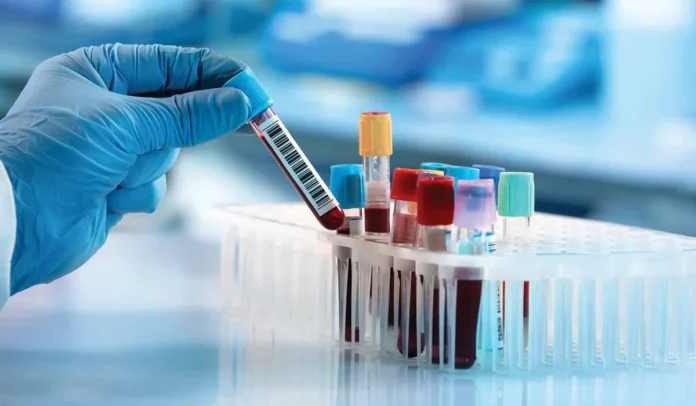
As part of the study, scientists examined blood samples from more than 1,200 individuals aged 71 and older. Using Artificial Intelligence and Machine Learning, they analyzed 187 clinical factors and 828 different types of small RNAs.
The results showed that a group consisting of just six specific piRNAs predicted two-year survival chances with 86% accuracy. Interestingly, this biological signal proved to be a much stronger predictive indicator than the patient’s age, cholesterol levels, or physical activity.
According to the researchers’ observations, participants who lived longer exhibited lower levels of piRNAs. This pattern echoes a principle already observed in simpler organisms, where a reduction in the number of these molecules increases lifespan.
The study’s authors explain that a high concentration of piRNAs in the blood may be a signal that something is disrupted in the body’s functioning, which opens the door to discovering new therapeutic opportunities in the future.
Research Perspective
piRNAs act as a kind of “micromanager” in the body, controlling many processes responsible for health and aging. While lifestyle remains a decisive factor in the long term, these molecules provide unrivaled information for assessing short-term viability. Through them, it is possible to see hidden biological processes that are invisible to traditional clinical examinations.
The next step for scientists will be to determine how specific medications or lifestyle changes affect piRNA levels. The ultimate goal is to create a practical and minimally invasive blood test that will help doctors identify the risk of health deterioration at an early stage.
