


Introduction
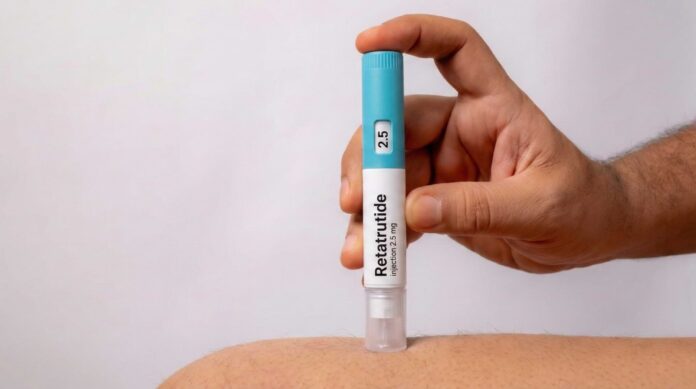
Obesity represents one of the most significant challenges in modern medicine, affecting millions of people globally and serving as a risk factor for numerous chronic pathologies, such as cardiovascular diseases, type 2 diabetes mellitus, and degenerative joint changes. In recent years, glucagon-like peptide-1 (GLP-1) receptor agonists, specifically semaglutide (Ozempic, Wegovy), have revolutionized the medical management of morbid obesity. However, results from the latest clinical trials suggest that a triple hormonal agonist—retatrutide—may emerge as an even more effective therapeutic alternative.
Mechanism of Action
The pharmacodynamic potential of retatrutide is based on the synergistic activation of three primary hormonal receptors. The first target is glucagon-like peptide-1 (GLP-1), which reduces appetite and slows gastric emptying. The second is the glucose-dependent insulinotropic polypeptide (GIP), which regulates blood glucose concentration and adipose tissue deposition. The third component is glucagon, which participates in the maintenance of energy homeostasis.
The combination of these factors allows the drug to influence not only caloric intake but also the body’s mechanisms for energy mobilization and expenditure, making it unique compared to existing GLP-1 monotherapies on the market.
Clinical Trial Results — The TRIUMPH-1 Study
The Phase III study, TRIUMPH-1, conducted by the American pharmaceutical giant Eli Lilly, has shown particularly impressive results. In a study involving 2,339 patients with obesity or overweight and comorbid metabolic conditions (without diabetes), retatrutide induced dose-dependent, statistically significant weight loss.
After 80 weeks of treatment, patients experienced a mean body weight reduction of 19.0% with the 4 mg dose, 25.9% with the 9 mg dose, and 28.3% with the 12 mg dose, compared to only 2.2% in the placebo group. It is particularly noteworthy that 45.3% of participants lost more than 30% of their body weight, a result comparable to the efficacy of bariatric surgery.
An extended analysis of the study showed that in patients with a body mass index (BMI) of ≥35, mean weight loss reached 30.3% over 104 weeks of therapy. Furthermore, with the 12 mg dose, 65.3% of participants crossed the clinical obesity threshold, reducing their BMI to below 30; this included 37.5% of patients with class III obesity (BMI ≥40) within 80 days.
Cardiometabolic Effects
Clinical trials have confirmed that retatrutide treatment is associated with a clear improvement in cardiometabolic risk factors. Specifically, reductions were observed in waist circumference, triglycerides, non-HDL cholesterol (the aggregate of all “bad” cholesterol in the blood that contributes to the formation of arterial plaques), systolic blood pressure, and high-sensitivity C-reactive protein (hs-CRP). These changes indicate that the drug’s action extends beyond weight loss and actually reduces the risk of cardiovascular and inflammatory diseases associated with obesity.
Side Effects
According to clinical data, the most common adverse events associated with the medication are gastrointestinal in nature. In the 12 mg dose group, nausea was reported in 42.4% of patients, diarrhea in 32.0%, vomiting in 25.3%, and constipation in 26.1%, compared to 14.8%, 13.5%, 4.8%, and 10.9%, respectively, in the placebo group.
Additionally, 5.1%–12.5% of patients developed dysesthesia (distorted sensation), and approximately 8% developed urinary tract infections. Discontinuation rates ranged from 4.1% to 11.3%, depending on the dose, compared to 4.9% in the placebo group.
Risks of Use
In contrast to the controlled environment of clinical trials, retatrutide is already circulating on informal online markets, where it is frequently purchased in bulk by users seeking the so-called “leanmaxxing” effect—a rapid change in body composition. This practice represents a significant public health challenge, as products obtained from illegal sources may contain inappropriate dosages or no active ingredient at all. Due to these risks, the Australian Therapeutic Goods Administration (TGA) has issued a special warning regarding the dangers of importing and using unapproved peptides.
Neuropsychological Aspects
Beyond physiological effects, emerging data point to a potential neuropsychobiological impact. Since the drug acts on neurobiological pathways in the brain related to motivation, some patients report feelings of emotional detachment (so-called “emotional flattening”), decreased motivation, and impaired social interactions. The drug’s potential influence on alcohol cravings and sexual libido is also being investigated, although these mechanisms are not yet fully understood.
Future Perspectives
The new medication is not yet registered in any country. Eli Lilly intends to submit an application for registration to the FDA in the near future. Simultaneously, trials are ongoing for patients with type 2 diabetes (TRIUMPH-2) and cardiovascular disease (TRIUMPH-3).
Full results of the studies will be presented at the American Diabetes Association (ADA) Scientific Sessions in June 2026.
Conclusion
Retatrutide represents a new milestone in the pharmacotherapy of obesity. Existing clinical data clearly indicate its potential superiority over established GLP-1 receptor agonists, particularly regarding substantial body weight reduction and the improvement of cardiometabolic parameters.
However, despite its high efficacy, the safety profile and the long-term results of its use in a broad population still require additional, large-scale, and long-term clinical evaluation. Therefore, its use should only be conducted under strict medical supervision and in accordance with established regulatory frameworks.
Source: tctmd.com
