


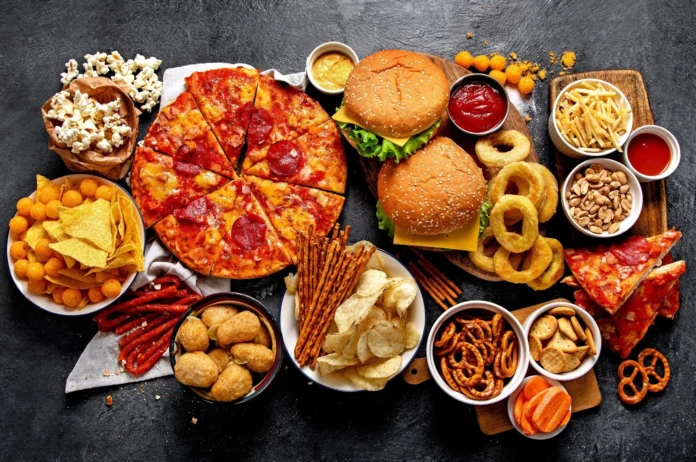
In recent years, ultra-processed foods have become the focus of growing attention among scientists and physicians, but researchers are now discussing another possible danger, their connection to eating disorders. A new analysis conducted by researchers at University of Michigan combines data collected over the past 50 years and suggests that around 70% of the foods consumed during episodes of disordered eating are ultra-processed products.
The study reviewed research published between 1973 and 2023 that described eating behaviors during these episodes. Scientists found that the most commonly consumed foods included pizza, chips, cakes, ice cream, chocolate, and other high-calorie products rich in sugar, fat, and refined carbohydrates. According to the researchers, these foods are specifically designed to activate the brain’s reward and pleasure systems, encouraging excessive consumption.
Researchers note that eating disorders are becoming an increasingly widespread global problem and may significantly raise the risk of obesity, type 2 diabetes, cardiovascular disease, and depression. Specialists believe that previous studies focused mainly on psychological factors, while the properties of the food itself received far less attention. The new findings suggest that the issue may not be solely related to emotional states, and that products created by the food industry may also play a major role.
Other recent studies in the same field indicate that ultra-processed foods may affect the brain through mechanisms similar to addiction. Some researchers argue that the brain’s response to these products resembles reactions associated with addictive substances. Scientists particularly emphasize that the combination of sugar, fat, and salt can disrupt the body’s natural satiety mechanisms, making it harder for people to stop eating.
However, experts stress that food alone is not the only cause of eating disorders. Psychological trauma, chronic stress, anxiety, and depression remain major contributing factors. Some specialists believe that ultra-processed foods may intensify these psychological conditions by triggering powerful cravings in the brain. For this reason, experts emphasize that treatment should involve not only dietary changes but also psychotherapy and behavioral therapy.
Although research is still ongoing, scientists already say that the modern food environment has changed dramatically. Today, ultra-processed foods make up a significant portion of the Western diet, and similar trends are spreading across other parts of the world. Researchers believe that if future studies continue to confirm a direct connection between these products and eating disorders, it could lead to major changes in public health policy and in modern approaches to treating eating disorders.
