


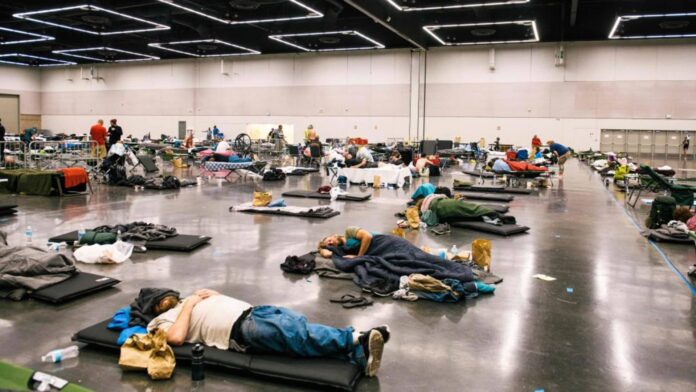
The summer of 2026 has once again proven to be a severe test. In the final days of June, a large part of the European continent was gripped by record-breaking heat. In Spain, France, Italy, Portugal, Germany, Poland, and the Balkans, air temperatures exceeded 40–45°C in numerous regions. Several European countries declared highest-level emergency warnings, schools and tourist attractions were temporarily closed, and some cities adjusted working hours to keep the population indoors during the hottest hours of the day.
According to initial estimates, thousands of excess deaths have already been recorded in Europe during this heatwave, which began at the end of June. French health authorities reported approximately 1,000 deaths within a few days, while emergency calls and hospitalizations spiked sharply in Italy, Spain, and Portugal. European hospitals observed a significant increase in patients admitted with diagnoses of dehydration, heat exhaustion, heat stroke, heart attacks, and strokes. Specialists note that these are only preliminary figures, and the true impact of heat on mortality is typically calculated weeks or months later, when epidemiologists assess the so-called Excess Mortality.
This scenario is no longer new to Europe. In recent years, heatwaves have become longer, more intense, and more frequent. According to the European Environment Agency (EEA), nearly 95% of deaths caused by weather and climate change are attributed to extreme heat, making it the deadliest natural hazard on the continent. In the summer of 2022 alone, approximately 61,000 people died from heat-related causes across 35 European countries, and nearly 48,000 died in 2023. The World Health Organization’s Regional Office for Europe estimates that over the past four years, heat has claimed more than 200,000 lives in Europe.
By What Mechanism Do Heatwaves Kill?
Against the backdrop of these statistics, the question of why heat kills so many people when high temperature seems like a natural phenomenon is becoming increasingly urgent. The answer lies not only in the climate. The real cause is the human body’s reaction to extreme heat, as high temperatures simultaneously damage the cardiovascular, respiratory, renal, and nervous systems, becoming particularly dangerous for the elderly and individuals with chronic diseases.
From a medical perspective, the human body regulates its core temperature quite effectively. Under normal conditions, body temperature is around 37 degrees Celsius, maintained through several mechanisms. When the ambient temperature rises, blood vessels in the skin dilate to release more heat, and sweat glands begin to produce sweat intensively. Evaporation of sweat cools the body and protects it from overheating. However, when the heat is very intense or prolonged—especially if humidity is also high—these natural mechanisms can no longer cope with the load.
As a result of heavy sweating, a person loses not only water but also essential electrolytes: sodium, potassium, magnesium, and chlorine. Against the background of these changes, blood volume decreases, blood pressure drops, and the heart is forced to work with a much higher workload to supply enough oxygen to the organs. In young and healthy individuals, these compensatory mechanisms usually work effectively, but in the elderly or patients with chronic diseases, the body’s capabilities are significantly limited.
The cardiovascular system suffers the most from the heat. As mentioned, when the body tries to cool down, blood vessels dilate, causing blood pressure to drop. At the same time, due to dehydration, blood becomes more viscous. Under these conditions, the probability of blood clot formation increases, which significantly raises the risk of myocardial infarction, ischemic stroke, and pulmonary embolism. In patients with heart failure, heat can cause disease decompensation, severe arrhythmias, and sudden cardiac death. This is why almost all European epidemiological studies show that cardiovascular diseases are the leading cause of death during heatwaves.
Heat also has a serious impact on the respiratory system. High temperatures often coincide with an increase in the concentration of ozone, fine dust particles, and various allergens in the atmosphere. As a result, the course of bronchial asthma, chronic obstructive pulmonary disease (COPD), and other respiratory pathologies worsens.
The kidneys are no less sensitive. Against the backdrop of heavy sweating, fluid deficit develops in the body, which reduces blood supply to the kidneys. As a result, acute kidney injury may develop.
Heat Stroke
The most severe heat-related condition is heat stroke. This is a medical emergency where the body temperature exceeds 40 degrees Celsius, accompanied by signs of central nervous system damage. The patient experiences clouded consciousness, disorientation, speech impairment, seizures, and sometimes coma can develop. If body temperature is not reduced in time and the patient does not receive intensive care, the mortality rate exceeds 30%.
Certain medications significantly increase the likelihood of heat-induced complications. Diuretics increase fluid loss, beta-blockers reduce the heart’s ability to adapt to high temperatures, anticholinergic drugs inhibit sweating, and some antidepressants and antipsychotics disrupt thermoregulation. This is why European doctors increasingly advise reviewing medications with high-risk patients before summer begins.
Solutions in Public Health
According to specialists, a large portion of this mortality can be prevented. It is essential to have effective early warning systems so that the population receives information about the expected hazard several days in advance. During peak heat periods, hospitals and ambulance services must prepare in advance for increased workloads, and the condition of the elderly in nursing homes must be monitored with particular attention.
At the individual level, risks can also be reduced. Drinking sufficient amounts of fluids, avoiding direct sunlight during the hottest periods of the day, wearing light and loose-fitting clothing, cooling living spaces, and especially checking regularly on elderly relatives or neighbors is often equivalent to saving a life. The role of doctors is also distinct, as they can identify high-risk patients in advance, review their medications, and explain in detail how to act during a heatwave.
Today, heatwaves are no longer a rare natural phenomenon. If the pace of climate change continues, such episodes will become even more frequent in the coming years. That is why the task of modern medicine is no longer just treating heat-induced illnesses. No less important is their prevention, timely public information, healthcare system readiness, and adaptation to climate change. Only through the joint efforts of science, medicine, state policy, and society will it be possible to prevent thousands of premature deaths caused by this “silent killer” of Europe.
