


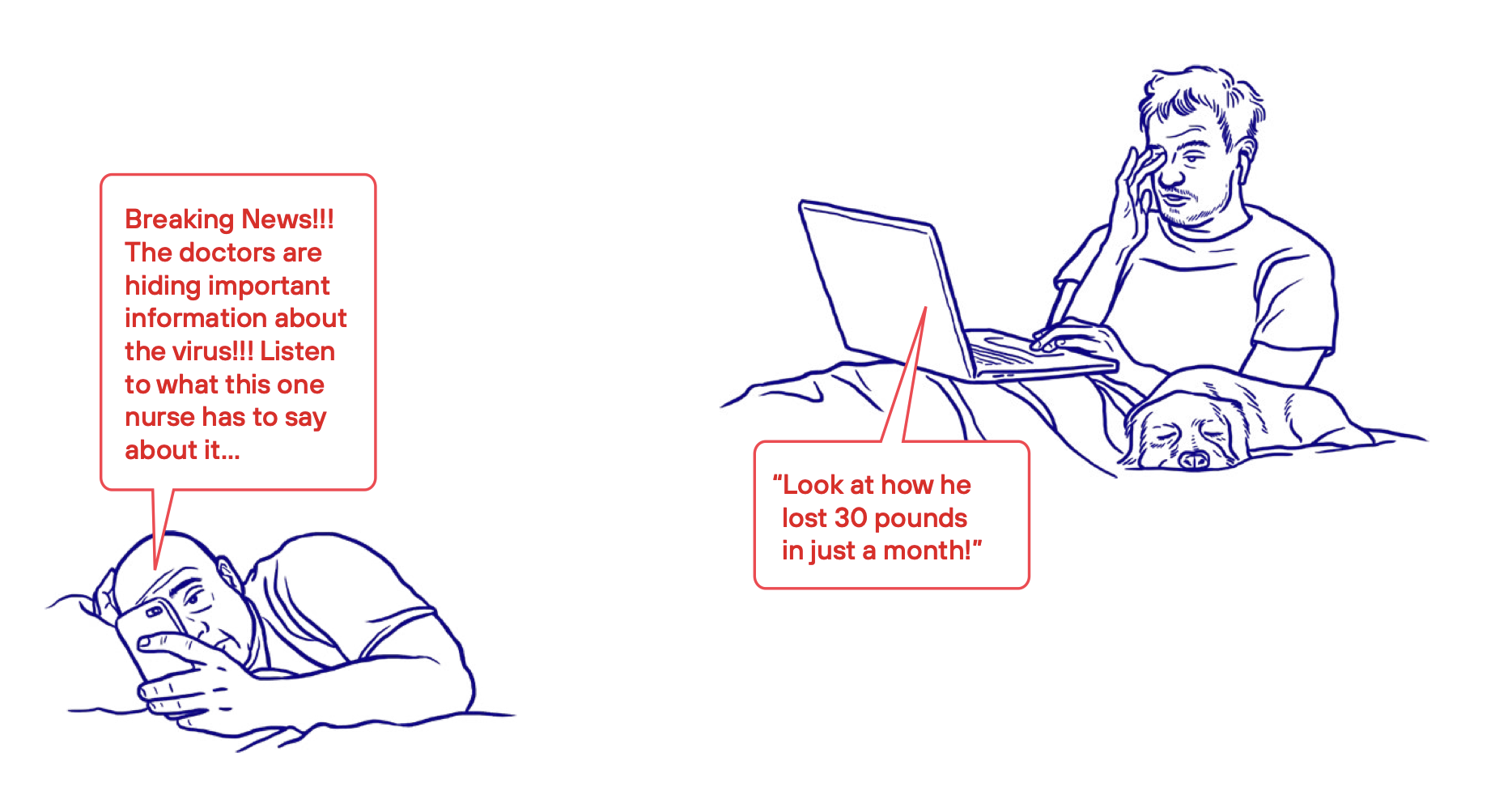
Today, the accessibility of information seems to have deprived us of the luxury of selective engagement with it. The continuous flow of information on social media allows users to quickly acquire superficial data in several areas simultaneously, which often leads to an exaggerated sense of competence. This kind of fragmented knowledge concurrently generates a certain self-confidence. Information wrapped in the illusion of authenticity is instantly shared by users so that others don’t miss out on “important discoveries.” This dynamic creates a continuous chain of “self-declared experts.”
It is enough to recall the COVID-19 pandemic as proof of this phenomenon. Along with testing global healthcare systems, it tested people’s critical judgment skills. “Miraculous” traditional remedies for COVID were instantly replaced on social media by the debunking of the vaccine’s deadly properties. Truly, it was a dangerous combination: people confined within four walls, armed with an endless stream of information. The final result was a public that became unintentionally “learned” in healthcare and, paradoxically, full of distrust toward the healthcare system.
So, Who Is Trying to Deceive Us?
To answer this fundamental question, it is necessary not only to identify the source of disinformation but also to conduct an in-depth analysis of the entire information ecosystem. This is a complex phenomenon that the World Health Organization (WHO) defines by the term Infodemics.
In essence, an infodemic is “an overabundance of information—including false or misleading content—that occurs during a disease outbreak and makes it difficult to find reliable sources and trustworthy recommendations” (WHO 2020). It is not limited to misinformation (inaccurate information spread unintentionally) or disinformation (deliberately spread false content) but encompasses the entire information ecosystem—the physical and digital space influenced by social, cultural, and structural factors.
Sylvie Briand, who heads the Global Infectious Hazard Preparedness program at the World Health Organization (WHO), emphasizes: “A person’s information ecosystem is complexly structured and changeable; it is affected by interactions with healthcare systems, social behaviors, and structural limitations that hinder accessibility.” The intensified process of information seeking and its creation during emergencies complicates the situation, effectively blurring the boundary between reliable and unreliable content and at the same time hindering independent decision-making.
The scale of the infodemic was revealed during the COVID-19 pandemic: the unprecedented volume of rapidly produced scientific evidence exceeded the public’s capacity for perception and assimilation. Reliable information was lost amidst sensational media and polarized discourse, which, along with fueling distrust, contributed to the spread of disinformation. This informational chaos “distorted” risk perception and significantly reduced adherence to medical recommendations, convincingly demonstrating the massive impact of the infodemic on public behavior.
The Harmful Impact of Disinformation
The infodemic carries a massive threat. In addition to causing harm to individual health (for example, the tragic cases of methanol poisoning recorded in Iran during the early phase of the pandemic), it reduces trust in healthcare systems.
False or misleading content also strengthens vaccine distrust and contributes to its perception as a potential threat to individual health. This trend was clearly evident in the monitoring of COVID-19 by the WHO and the European Commission.
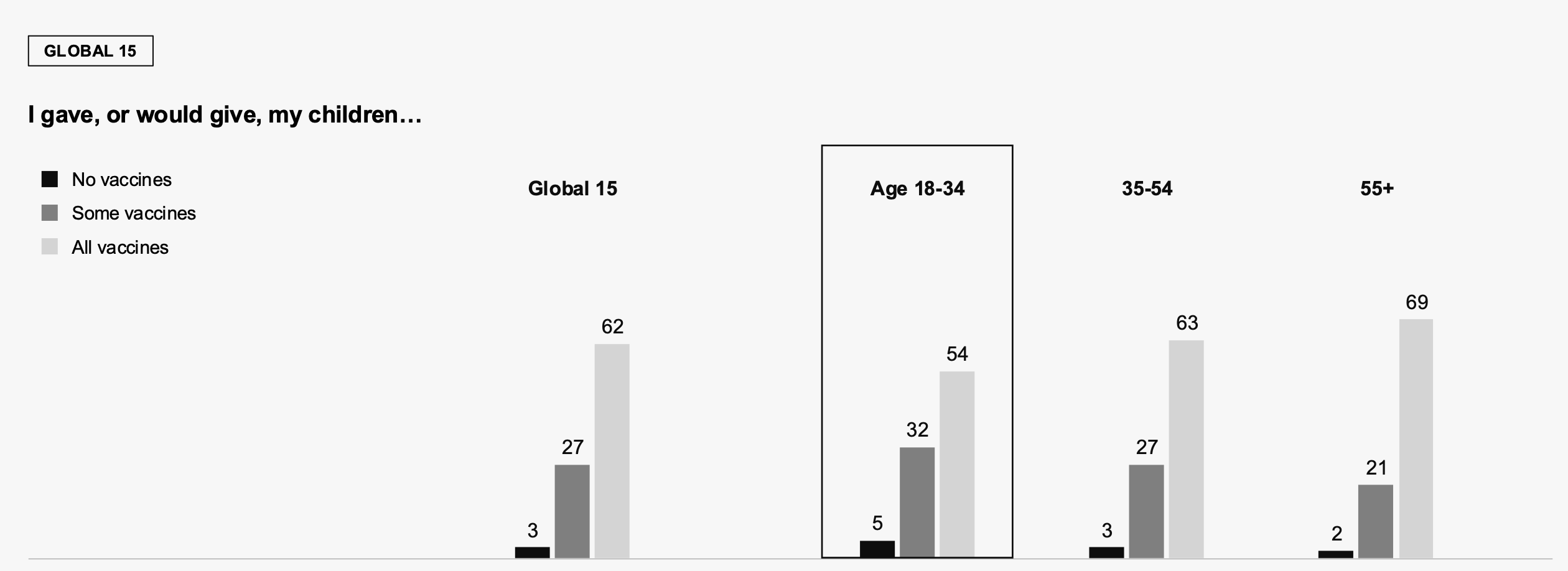
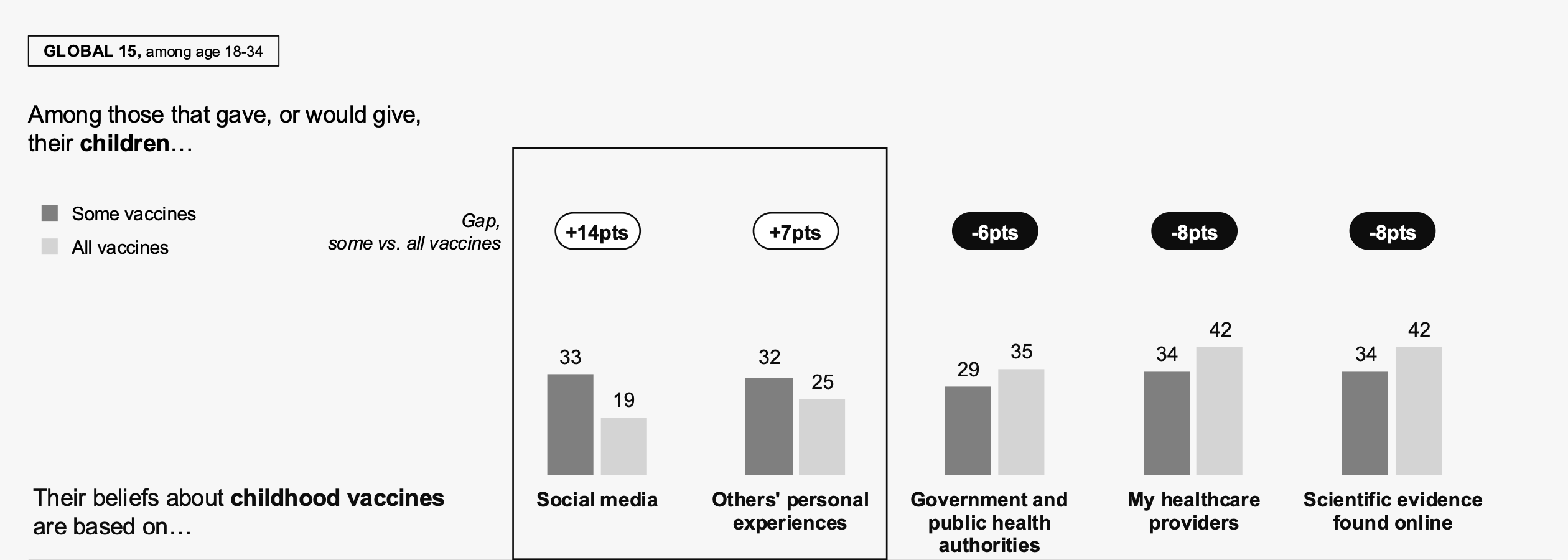
It is critical to understand that narratives saturated with conspiracy theories often create a “closed information space” that resists factual correction, as elements of political, cultural, and personal identity are interwoven into such beliefs. The European Commission’s vaccine disinformation subgroup illustrates how these complexly intertwined narratives spread within social groups, which significantly complicates institutional response and necessitates high-quality communication strategies.
Trust as a Fundamental Aspect of Medical Communication
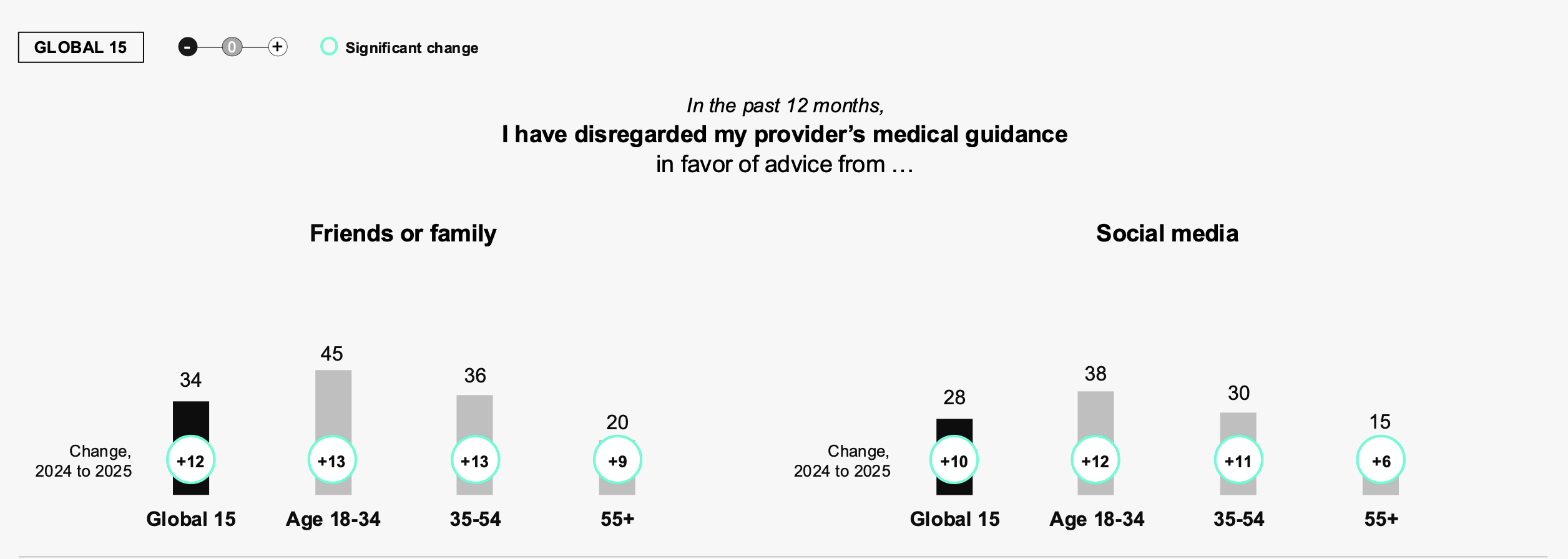
Trust represents a unique social capital in the context of epidemics and infodemics. This trust is context-dependent and varies according to the actions of leaders, the quality of communication, and cultural resonance. A lack of trust directly leads to resistance toward Public Health and Social Measures (PHSM), which underscores the critical need for authenticity and cultural adequacy in messaging.
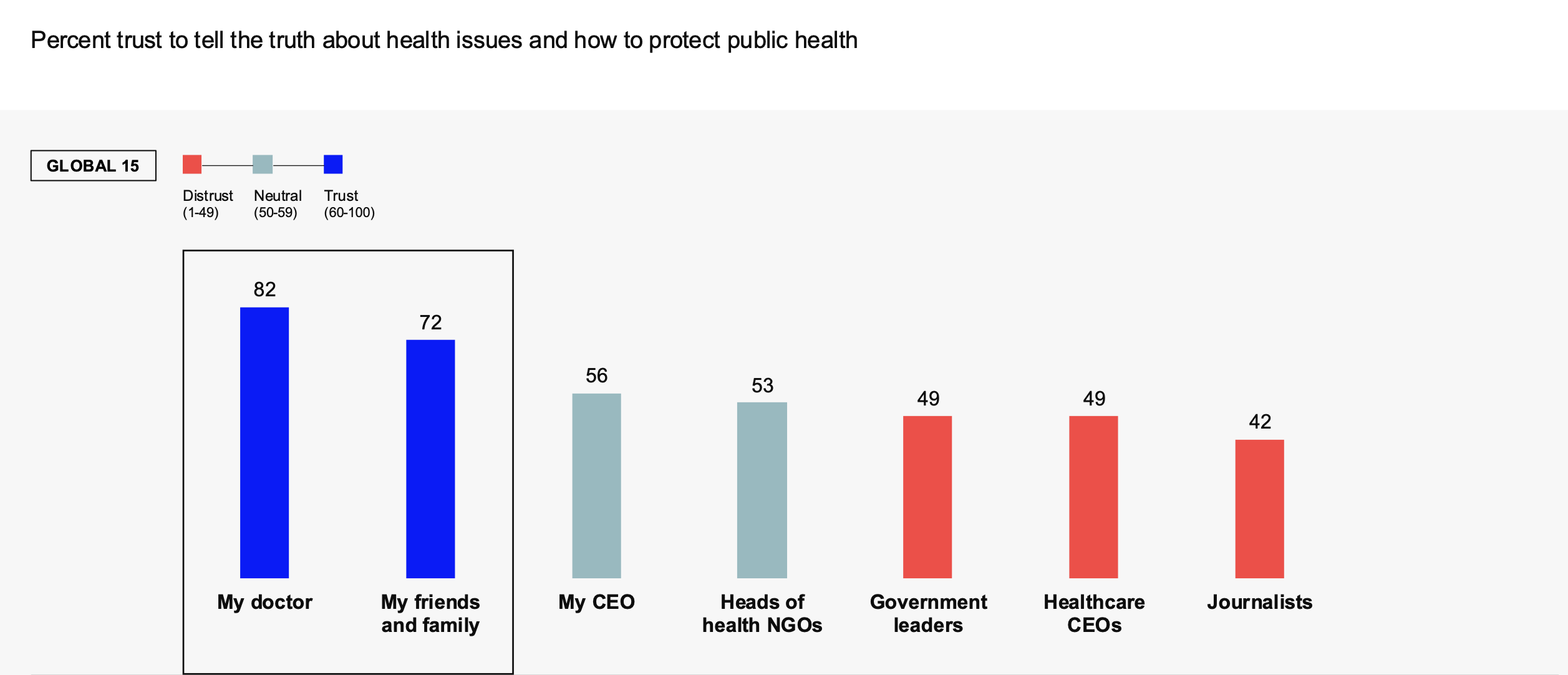
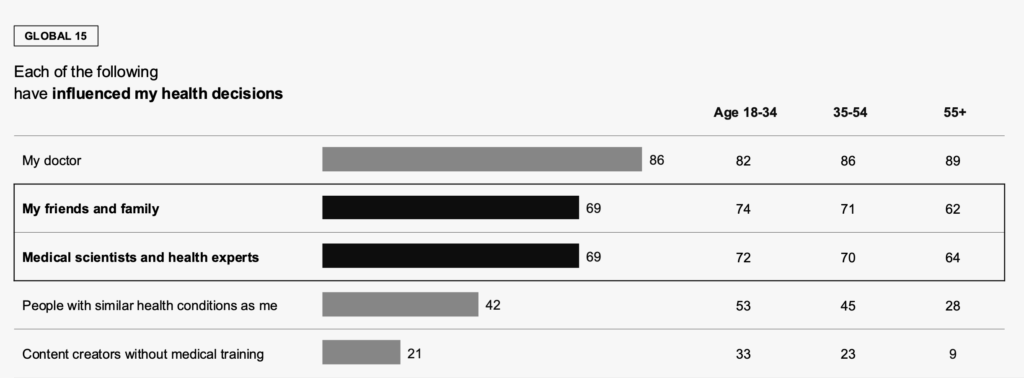
Healthcare professionals consistently emerge as key, trusted messengers. A qualitative study conducted by Klaudia Paula Czorniej, which focused on examining trust between healthcare providers and patients, highlights competence, honesty, and integrity as key mediating factors between the influence of disinformation and patient adherence.
Strategies and Difficulties in Fighting Disinformation
Debunking disinformation remains a leading strategy, but it has certain limitations. Emily Vraga, Associate Professor at the Hubbard School of Journalism and Mass Communication at the University of Minnesota, and her co-authors summarize: Although “correction can weaken false beliefs on factual issues, changing attitudes and behavioral patterns is more resilient, especially when disinformation is linked to personal identity.”
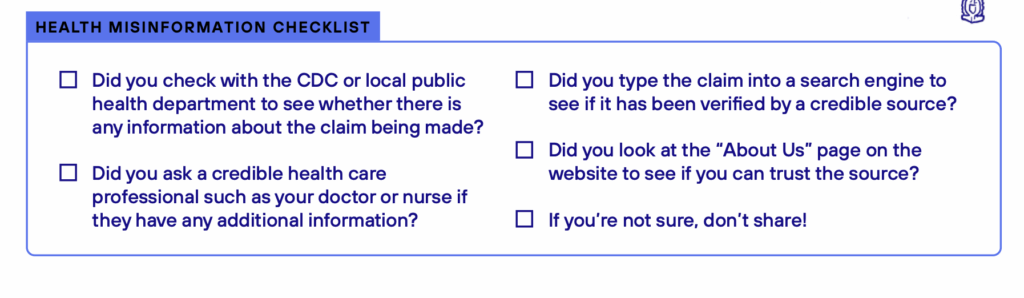
To increase the effectiveness of this correction and simultaneously reduce potential boomerang effects, REACT represents a framework for best practice:
Repetition
Empathy
Alternative explanations
Credible sources
Timeliness
Nevertheless, a single correction strategy cannot keep up with the speed of disinformation spread. The “continued influence effect” (where false information continues to shape cognitive perception despite correction) and the “sleeper effect” (where correction loses effectiveness over time) require proactive, complementary interventions.
Psychological “Inoculation”
One significant advance is the concept of “psychological inoculation,” known as Prebunking. This method uses “Inoculation Theory”: Jon Roozenbeek (a cognitive and social psychologist at the University of Cambridge) and co-authors explain that if a person is exposed to “weakened” or refuted samples of disinformation beforehand, they develop “mental antibodies.” This strengthens them to resist more potent false messages in the future.
A practical application of this principle is gamification. For example, the interactive game “Bad News,” where players become disinformation creators themselves and learn manipulation techniques, showed a long-lasting effect in improving the ability to recognize disinformation, including conspiracy theories.
Furthermore, this defense strategy creates a kind of “psychological herd immunity.” This mechanism can outpace the spread of disinformation, making it a highly promising model of resilience across the population.
Digital Platforms and Technological Challenges
Digital platforms play a dual role. They try to stop disinformation by fact-checking, algorithms, and account blocking, but these attempts are not always effective.
Lewandowsky (a cognitive scientist from the University of Bristol whose specialization is disinformation, memory, and democracy in the digital age) and co-authors suggest a change in technological design (techno-cognitive redesign): based on psychological research, the platform design should be altered to slow the pace of false information spread and require users to critically evaluate content before sharing. However, constant pressure from the public and regulatory bodies is needed to fully implement these changes.
It is impossible to talk about the digital world without Artificial Intelligence (AI) platforms, which are increasingly actively used by consumers to check symptoms and treatments. Despite the attractiveness of AI’s operational response, this trend also contains hidden dangers. It is essential that the user perceives AI only as an auxiliary source and does not attempt to replace a doctor with its use.
The more often a user encounters captivating narratives (e.g., “With the help of AI, a patient learned about their illness in time…”), the more clearly they must remember that parallel to these successful cases, there are facts where incorrect recommendations shared by artificial intelligence proved fatal for a person.
Ultimately, the efforts of no single party will be sufficient without strengthening multisectoral partnerships—involving healthcare, policy, technological sectors, media, and science—to ensure public health security. Against the backdrop of constant changes and global dissemination of disinformation, our strategies must adapt, founded on scientific facts, ethical principles, and social context.
By developing critical judgment skills, you will no longer be easy to manipulate, and perhaps you yourself will be able to answer that intrusive question: Who, after all, is trying to deceive you?
Managing infodemics in 21st century – Tina D. Purant, Tim Nguyen, Sylvie Briand
AI Tools in Society: Impacts on Cognitive Offloading and the Future of Critical Thinking – MDPI
The psychological drivers of misinformation belief and its resistance to correction – nature
2025 Edelman Trust Barometer – Special Report; Trust and Health
A Community Toolkit for Addressing Health Misinformation – Public Health Service
How I became easy prey – science
Understanding the complex links between social media and health behaviour – thebmj
