


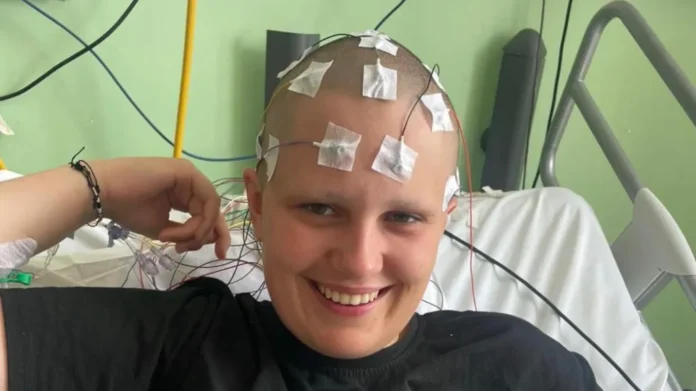
ChatGPT assisted in diagnosing a rare disease in 23-year-old Phoebe Tesoriere, after doctors had misdiagnosed her for years. The case took place in Cardiff, Wales.
For a long period, medics attributed Phoebe’s health problems to anxiety, depression, and epilepsy. Her condition worsened significantly after a severe seizure in July 2025 left her in a coma for three days. Upon waking, when doctors again told her that her symptoms were caused solely by psychological factors, Phoebe turned to artificial intelligence for help.
The Diagnostic Process and Results
The patient entered her symptoms into the AI chatbot, and the system identified several potential conditions. Among them was Hereditary Spastic Paraplegia (HSP). Phoebe presented the information provided by the AI to her GP, after which genetic testing fully confirmed the chatbot’s suggestion.
Due to the severity of the disease, Phoebe currently uses a wheelchair and was forced to give up her career as a special needs teacher. She is now pursuing a Master’s degree in Psychology and plans to use her experience to help others.
Medical Commentary and Risks
The Cardiff Health Board expressed regret over the situation but refrained from commenting on the details of the individual case due to patient confidentiality. Meanwhile, GP Rebecca Tomlinson noted that AI tools are a good starting point for gathering information, but emphasized that answers must be verified by a qualified specialist to avoid the risks of self-treatment.
A recent study by Oxford University showed that AI-generated responses to medical questions are often inconsistent and may contain misinformation. Although OpenAI states that ChatGPT is not intended for diagnosis or treatment, statistics show that approximately 230 million people use the chatbot weekly to ask health-related questions.
