


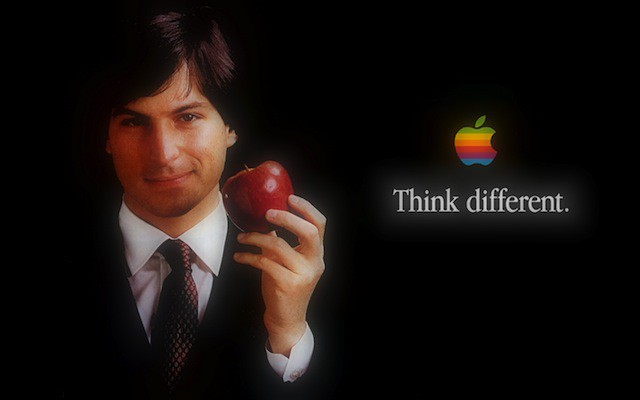
Today, April 1, as the technological world marks another anniversary of Apple’s founding, it is symbolic to reflect on the transformative journey the company has undertaken in recent years—not necessarily from a traditional perspective, but through the lens of the role its innovations have played in advancing the medicine and healthcare sectors.
Apple has long moved beyond the production of just smartphones and laptops. When we mention Apple today, we are speaking of a tech giant that has effectively turned consumer electronics into professional medical instruments.
The starting point of this evolution dates back to 2014, when the introduction of the HealthKit platform marked Apple’s first serious step toward creating a digital ecosystem for healthcare. At its core, HealthKit is a centralized database and software interface that consolidates information from a user’s various medical applications into a single, secure space.
However, the true turning point is linked to the 2015 debut of the Apple Watch. While the market initially viewed the new smartwatch as a sophisticated accessory, the device’s optical heart rate sensor unlocked possibilities for medicine that were previously unimaginable.
That same year saw the launch of ResearchKit, an open-source platform that changed the methodology of scientific research. The iPhone was transformed into a data-collection tool, enabling scientists to conduct studies on Parkinson’s disease, asthma, and diabetes involving tens of thousands of volunteers.
The company further solidified its position in 2018 with the release of the Apple Watch Series 4. This marked the first time a mass-market watch acquired the capability to record an electrocardiogram (ECG)—a feature authorized by the FDA.
Users gained a tool capable of detecting atrial fibrillation, a leading cause of stroke, at an early stage. This was followed in 2020 by the integration of a blood oxygen (SpO2) sensor, which proved critically important for monitoring respiratory health during the pandemic.
Today, Apple’s influence on medicine continues to expand. The company is no longer limited to passive data collection; it is creating an ecosystem where patients and doctors collaborate within a unified digital space.
Thus, on Apple’s anniversary, recognizing it as an innovator in the healthcare sector is essential for a proper understanding of the trajectory of technological development.
