


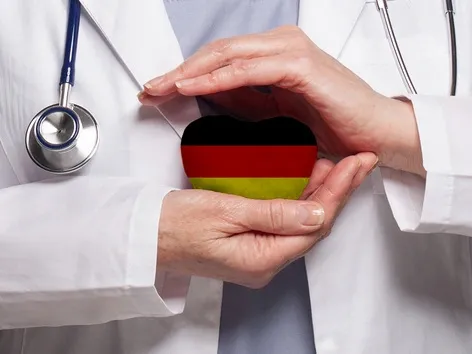
Germany is increasingly positioning itself as one of the leading centers of medical innovation in Europe. In 2026, the country’s healthcare financing system has placed special emphasis on high-tech cardiovascular and neurovascular procedures that may become the future standard in treating heart and brain diseases. The German hospital reimbursement institute — InEK — has published a new list of innovative medical technologies that have been granted so-called NUB (“new examination and treatment methods”) status. This means that German hospitals can now begin negotiations for funding these advanced procedures, making cutting-edge technologies more accessible to patients.
Particular attention has been given to new minimally invasive cardiovascular techniques. The list includes catheter-based tricuspid valve replacement technologies, which allow valve implantation without open-heart surgery. These procedures are especially important for high-risk patients for whom traditional surgery may be too dangerous. Also included is personalized external aortic root support, which is used in aortic disease and is individually adapted to the patient’s anatomy.
In the neurovascular field, Germany is also making significant progress. Among the funded innovations are next-generation ultra-soft coils used in the endovascular treatment of brain aneurysms. These devices allow neurointerventional specialists to work more safely within the delicate cerebral vasculature. At the same time, advanced thrombectomy systems are being developed, designed to rapidly remove life-threatening clots from the pulmonary arteries. These technologies are particularly important for patients suffering from severe pulmonary embolism.
Germany’s strategy is not limited to individual devices. The country is also investing heavily in personalized medicine, artificial intelligence, and data-driven cardiovascular research. For example, the curATime research cluster, involving the German Research Center for Artificial Intelligence (DFKI), the University Medical Center Mainz, and other institutions, is receiving additional funding to develop individualized cardiovascular therapies. The goal of the project is to improve prediction and treatment of atherothrombosis and cardiovascular diseases through personalized approaches.
In addition, Germany is participating in European programs aimed at developing next-generation personalized cardiovascular medicine. The CARMEN2026 initiative focuses on molecular markers, predictive diagnostics, and innovative therapies for cardiovascular, metabolic, and renal diseases. Scientists believe that such approaches may replace the “one-size-fits-all” model of treatment in the near future, allowing therapies to be tailored to each patient’s genetic and biological profile.
In recent years, Germany has aimed not only to use medical technologies but also to become a global leader in their development. As a result, the 2026 innovation funding program is considered by many experts to be one of the most ambitious medical initiatives in Europe. Experts believe these steps will significantly transform both cardiovascular and neurosurgical practice, as well as improve patient outcomes and survival rates.
