


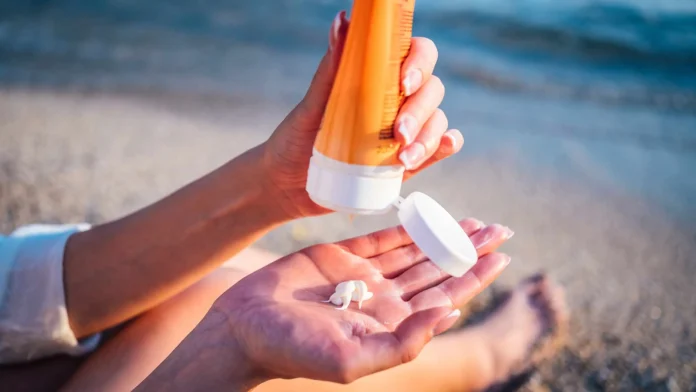
Medical research and expert observations clearly confirm that regular and correct use of sunscreen drastically reduces the risk of developing skin cancer. It has been shown that daily use of a product with at least SPF 15 or higher reduces the likelihood of developing squamous cell carcinoma by about 40 percent, and lowers the risk of melanoma—the most aggressive and dangerous form of skin cancer—by nearly 50 percent. Ultraviolet radiation damages the DNA of skin cells, leading to mutations and cancerous processes over time, whereas a high-quality sunscreen acts as a physical and chemical barrier that absorbs or reflects these harmful rays. Dermatologists unanimously emphasize that this product is not just a summer or beach accessory; using it year-round, even on cloudy days, is a scientifically proven and highly effective preventive measure to maintain skin health.
Health advice spread on social networks often becomes a subject of public debate, especially when it comes to skin care and sun protection products (SPF). Based on a new study published in the journal PLOS Digital Health, The Washington Post highlights an interesting trend. It turns out that the vast majority of videos posted on the popular platform TikTok support the use of sunscreen and are based on scientifically accurate information, yet the small fraction that spreads myths and misinformation receives the highest level of user engagement, likes, and shares.
Researchers at the University of Alberta’s Health Law Institute analyzed nearly a thousand popular videos with a combined total of over two billion views. According to the data, almost 87 percent of the videos favor the use of sunscreens and discuss their positive properties. Despite this, the 6 percent of videos that criticize the product or deem it dangerous receive a disproportionately high level of engagement. The researchers explain that scandalous, conspiratorial, and shocking claims—such as the idea that sunscreens are toxic or cause cancer—evoke strong emotions in people, which helps these videos go viral.
Dermatologists express deep concern over trends that urge consumers to ignore traditional medical advice. Calls are often spread on social networks for people to use beef tallow or other “natural” alternatives instead of sunscreen, which completely lacks any scientific basis. Specialists strongly emphasize that exposure to ultraviolet rays is directly linked to an increased risk of skin cancer, and refusing to use sunscreen is a deliberate harm to one’s own health.
The study revealed another significant flaw even in the videos that advocate for the use of protective products. The vast majority of TikTok content focuses on the cosmetic benefits of the product, such as wrinkle prevention, fighting acne, and halting visual aging. Only 6 percent of the videos explicitly mention that the primary purpose of using SPF is to reduce the risk of skin cancer. Experts believe this is a missed opportunity for public health, as the young audience perceives the product merely as a part of a beauty routine rather than a vital protective barrier.
Although the platform’s rules prohibit medical misinformation and the company cooperates with fact-checkers, counterintuitive and loud statements still manage to bypass algorithms and capture the spotlight. Dermatologists believe that the best way to combat this problem is for medical professionals to be more active on social media. According to them, doctors and scientists should provide information in a simpler, clearer, and more visually appealing format, so that myths do not outweigh a reality grounded in scientific evidence.
