


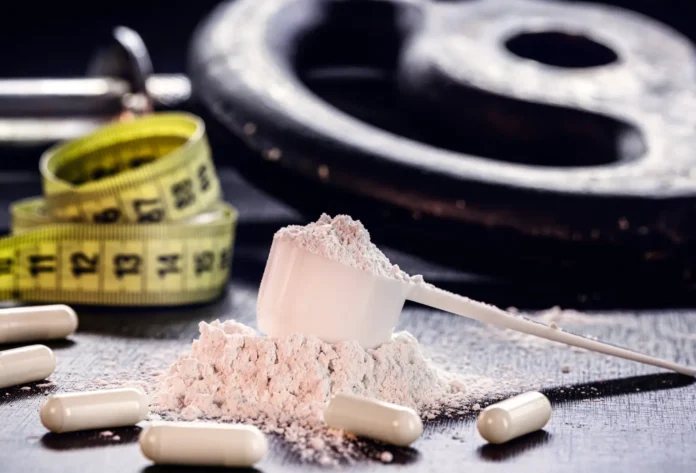
Creatine, which for decades was associated solely with the fitness industry and athletic performance, is now moving into the spotlight of medical science. The latest scientific reviews show that this compound plays a critically important role not only for muscles but also for the functioning of the brain and the entire body. Researchers are increasingly discussing creatine’s potential to break out of its narrow sporting framework and acquire broad therapeutic applications.
Naturally produced within the body, this substance is a primary generator of energy at the cellular level. It is converted into phosphocreatine and ensures the rapid regeneration of ATP (adenosine triphosphate), the primary fuel for cells. It is this very mechanism that allows organs with high energy demands, such as the heart and brain, to function seamlessly during stress or intense physical exertion. Scientists emphasize that despite common myths, creatine has nothing to do with steroids; its primary function is strictly to supply cells with energy.
According to research, creatine intake directly impacts cognitive health, improving memory, mood, and information processing speed. Furthermore, active research is underway regarding its use for medical conditions such as Parkinson’s disease, depression, and the loss of bone and muscle mass associated with menopause. Medical professionals are particularly optimistic about creatine’s anti-inflammatory and antioxidant properties.
Interestingly, the supplement’s effects are individual, with specific groups seeing the most notable results. For instance, women, the elderly, and vegans/vegetarians typically have lower natural stores of creatine in the body. Consequently, supplementation in these groups leads to much sharper improvements in both physical and cognitive performance. In older adults, it additionally serves a protective function against physical degradation.
In terms of safety, creatine is one of the most thoroughly studied and reliable supplements in the world. Researchers explain that “loading” the body with high doses is unnecessary, as muscles have a storage limit; a daily intake of 3-5g is entirely sufficient to achieve maximum effect. Ultimately, modern science views creatine not as a simple “sports powder,” but as a powerful tool for supporting cellular energy and overall health.
