


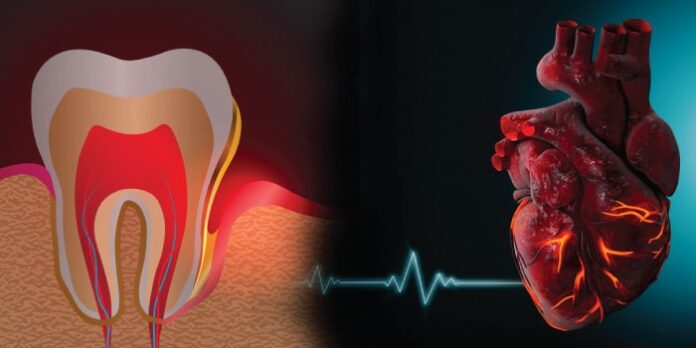
Periodontitis, affecting nearly 60% of the global adult population, is not merely a local dental problem but a global multidisciplinary medical challenge. This chronic inflammatory process goes beyond the biological destruction of the periodontal complex—the gingiva, periodontal ligament, and alveolar bone. The pathological cascade initiated by dysbiotic biofilms (plaque) rapidly acquires a systemic character.
High-virulence pathogens, such as Porphyromonas gingivalis, successfully breach the hematoperiodontal barrier, invading distant organs and exacerbating the body’s overall inflammatory status through the expression of pro-inflammatory cytokines (IL-1, IL-6, TNF-α).
This bacterial translocation and the resulting low-grade systemic inflammation serve as a catalyst and risk factor for critical pathologies such as cardiovascular diseases (atherosclerosis, endocarditis), diabetes mellitus, and various oncological processes.
Biofilm Pathogenesis and Microbial Dysbiosis
The formation of dental plaque is a multi-stage biological process beginning with the Acquired Pellicle—a layer of salivary proteins on the tooth surface. This layer creates an adhesive platform for primary colonizers (mostly streptococci), followed by late anaerobes that form an organized, multi-layered structure: the biofilm.
In the mature phase, microorganisms synthesize Extracellular Polymeric Substance (EPS), forming a protective matrix. This structure acts as a physical-chemical barrier, making pathogens 10–1000 times more resistant to antimicrobials and providing effective defense against host immune mechanisms, including phagocytosis.
As the process deepens, microbial dysbiosis develops. In subgingival oxygen-deficient (anaerobic) pockets, the so-called “Red Complex” begins to dominate: Porphyromonas gingivalis; Treponema denticola; Tannerella forsythia
These pathogens exhibit powerful polymicrobial synergy, interacting with fungi, viruses, and archaea to increase total virulence and drive the disease into its destructive phase.
Pathogen Arsenal and Host Response
Bacteria attack the organism through various mechanisms:
In response to bacterial invasion, neutrophils activate aggressive defense mechanisms such as Neutrophil Extracellular Traps (NETs), Reactive Oxygen Species (ROS), and Matrix Metalloproteinases (MMPs). While initially protective, the uncontrolled expression of these agents leads to collateral damage of host tissues and structural degradation of the periodontium.
Cardiovascular and Systemic Complications
When the periodontal barrier breaks, bacterial endotoxins (LPS) and virulent pathogens spread throughout the body via the bloodstream (bacteremia).
Cardiovascular: P. gingivalis is frequently identified in atherosclerotic plaques. It stimulates the formation of “foam cells,” causes endothelial dysfunction, and activates prothrombotic mechanisms, sharply increasing the risk of hypertension, myocardial infarction, and stroke.
Diabetes: There is a bidirectional relationship; chronic hyperglycemia exacerbates periodontal destruction, while periodontitis worsens insulin resistance through systemic inflammatory mediators, hindering glycemic control.
Other: Systemic expansion includes COPD, chronic kidney disease, and obstetric complications such as preterm birth and low birth weight.
Treatment and Management
The management of periodontitis focuses on the deorganization of the dysbiotic biofilm and the elimination of inflammatory foci.
The Gold Standard: Scaling and Root Planing (SRP). This involves the mechanical removal of biofilm and calculus from both supra- and sub-gingival areas.
Adjuvant Antibiotics: For severe forms, a combination of Amoxicillin and Metronidazole (500 mg, 3x daily for 7 days) is often used.
Innovative Targeted Methods:
Microbiome Modulation: Using specific probiotic strains like Lactobacillus reuteri to restore balance.
Phage Therapy: Using bacteriophages for the selective lysis of pathogenic bacteria without damaging the normal flora.
Photodynamic Therapy (aPDT): Combining laser technology with photosensitizers to generate ROS that destroy biofilm structures.
Nanoparticles (LDDS): Local Drug Delivery Systems that use nanotechnology to provide high drug concentrations directly into the periodontal pocket, eliminating systemic side effects.
Maintaining oral hygiene is a fundamental strategy for the prevention of cardiovascular and other systemic pathologies.
წყარო: Frontiers; BMC Public Health
