


The death of a 28-year-old laboratory technician from plague in Russia’s Irkutsk Region has triggered alarm among international media and epidemiologists. According to the British publication The Sun, Russian authorities are concealing the true scale of the infection, and the situation resembles the scenario of the coronavirus outbreak in China. At present, 189 people are under strict isolation.
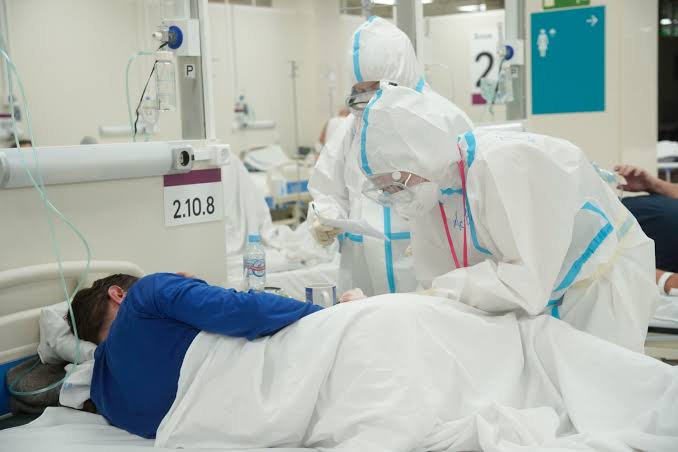
According to the official version, Daria Shipilova became infected after accidentally breaking a test tube at a laboratory of a plague research institute. However, Mikhail Favorov, a prominent Russian epidemiologist based in the United States, calls this version “ridiculous,” arguing that personnel at such facilities work with the highest level of protective equipment. According to the expert, the likely real cause of the tragedy was a fatal medical error: because the young woman was experiencing difficulty breathing, she was mistakenly treated as a COVID-19 patient and connected to a ventilator without being given the antibiotics essential for treating plague. Favorov says this is catastrophic because the pathogen could potentially be dispersed into the air through the ventilator, infecting numerous other people in the hospital.
The actions of senior Russian officials have also fueled suspicions. Russia’s chief sanitary doctor, Anna Popova, reportedly flew urgently from Moscow to the scene of the incident, while the local governor has so far avoided naming the specific disease, referring to it only as a “dangerous infection.” According to The Sun, pharmacies in Irkutsk have already run out of antibiotics, while the local population is in panic. Of the 189 people in isolation, 114 are being held in one hospital, 63 in another, and 12 remain at the research institute itself.
How real is the threat of a new pandemic?
Pneumonic plague (the most aggressive form of plague, historically known as the “Black Death”) can spread through respiratory droplets produced by coughing and sneezing. The disease can progress extremely rapidly and, without treatment, is virtually always fatal.
Despite this alarming picture, the likelihood of a global pandemic in the classic sense remains low. Unlike COVID-19, plague is a bacterial infection, and it can be effectively controlled with timely and appropriate antibiotic treatment. However, if Russia’s healthcare system is concealing the true situation and infected patients are not being treated according to the appropriate protocols, including isolation and antibiotics, the disease could potentially spiral out of control and develop into a serious local or regional epidemic. At this stage, the main risk factor is precisely the lack of transparency on the part of state institutions.
