Researchers at ETH Zurich (Swiss Federal Institute of Technology Zurich) have developed an innovative medical implant to treat type 2 diabetes and obesity. The small device uses an electrical charge to convert excess blood sugar into a completely harmless substance. The study was published in the journal Science.
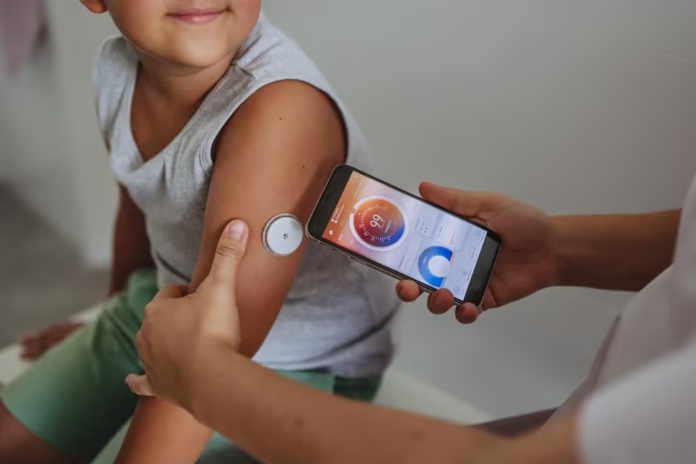
The system works alongside a continuous glucose monitor and is controlled directly via a smartphone. When blood sugar levels rise, the phone sends radiofrequency energy to the implant. Electrodes coated with gold and platinum trigger a targeted chemical reaction that breaks down glucose into a harmless byproduct called gluconate. The process stops automatically as soon as blood sugar levels return to normal.
A six-week experiment conducted on laboratory mice confirmed that the device stabilized the animals’ blood sugar levels and prevented sharp spikes in insulin. At the same time, the mice lost 10% of their body weight, as regulated glucose levels shifted their metabolism into fat-burning mode.
“The system continuously and autonomously adapts to the patient’s metabolic needs. Our main challenge now is to demonstrate that the device can safely and efficiently convert large amounts of sugar inside the human body,” says Martin Fussenegger, co-author of the study and a professor of biotechnology and bioengineering.
He explains that the technology is not a substitute for a healthy diet and physical activity. However, it could become a powerful tool in the therapeutic arsenal for managing diabetes and obesity.