


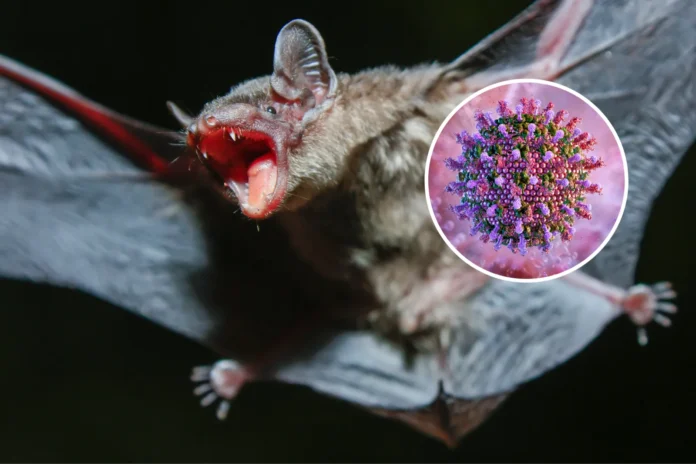
Scientists in Bangladesh, while analyzing throat swab samples, have discovered a virus that was previously mistaken for the Nipah virus (NiV). The virus in question is Pteropine orthoreovirus (PRV), which researchers believe is circulating covertly alongside Nipah and causing similar symptoms.
All five patients involved in the study were hospitalized with acute respiratory illness and encephalitis. It was revealed that they had recently consumed raw date palm sap—a product also consumed by bats and a primary source of animal-to-human viral transmission.
The patients exhibited:
-
High fever and difficulty breathing;
-
Disorientation and altered consciousness;
-
Gait disturbances.
The virus belongs to the genus Orthoreovirus. Scientists discovered that PRV has a segmented RNA genome, which grants it the ability to undergo reassortment.
Reassortment means that by exchanging genetic material between different strains, the virus can evolve rapidly. This process could lead to:
-
Increased transmissibility of the virus;
-
Increased severity of the disease (virulence).
Scientists recommend that healthcare professionals, when diagnosing respiratory illnesses and encephalitis, must consider PRV alongside the Nipah virus, as these two viruses present nearly identical clinical profiles.
