


In gynecologic oncology, the detection of a recurrence no longer serves as an automatic directive to the operating theater. Contemporary medicine evaluates every secondary intervention through the prism of safety, alternative therapeutic reserves, and overall patient survival. Consequently, formulating the correct clinical decision demands a meticulous equilibrium between the technical capabilities of the surgeon, the molecular biology of the tumor, and a multidisciplinary approach.
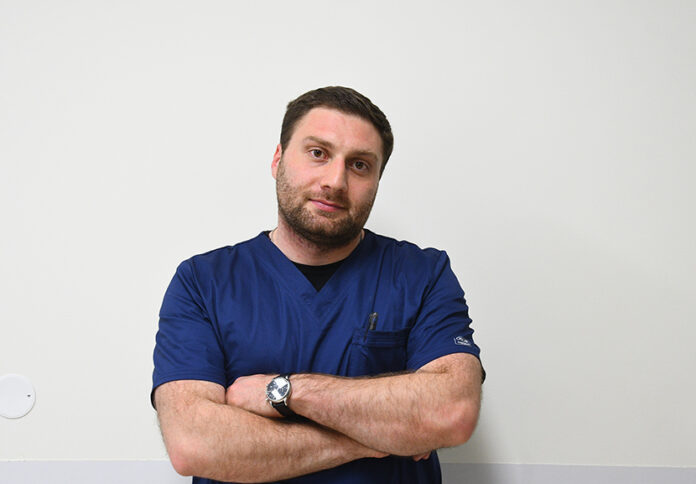
A foundational panel at the 11th Annual GIMPHA Conference was dedicated to this highly relevant scientific topic. At this forum, Archil Sharashenidze—Head of the Gynecologic Oncology Department at the Caucasus Medical Center and Professor at David Tvildiani Medical University—presented an insightful landmark lecture.
At the outset of his presentation, Professor Sharashenidze emphasized that to steer the discussion effectively, it is essential to differentiate the term “surgery” itself, given that it encompasses a remarkably broad spectrum of interventions. In clinical practice, confounding these distinct concepts frequently leads to misguided expectations and tactical errors.
To preempt medical errors and erroneous interpretations, the Professor introduced a clear, systemic classification. He stratified gynecologic oncological operations into several fundamental categories: primary, re-staging, definitive, interval, secondary cytoreductive, salvage, and palliative interventions. This structural framework is critically important, as the clinical rationale and patient selection criteria diverge substantially across each category.
Recurrent Ovarian Cancer and Selection Criteria
Flowing from this classification, the evidence base for secondary surgery is most robustly established in recurrent epithelial ovarian, peritoneal, and fallopian tube cancers. Surgery stands as the sole localized modality supported by robust, level-one scientific evidence in the recurrent setting. Authoritative international phase III trials (specifically DESKTOP III and SOC1) have clearly demonstrated an overall survival advantage when a properly selected surgical component is integrated with chemotherapy.
The overarching clinical lesson from these data is that secondary cytoreduction yields a genuine survival benefit only when specific parameters are met: the patient maintains an excellent performance status, complete macroscopic resection (R0) was achieved during the primary surgery, ascites is absent, and a platinum-free interval of at least six months has elapsed since the completion of prior chemotherapy. When surgery is deployed indiscriminately without these stringent filters, it forfeits its clinical value.
Surgical calculations shift character entirely when managing non-epithelial malignancies of the ovary. Standard algorithms are ineffective in this cohort, as the natural history and kinetics of these diseases necessitate a highly differentiated tactic from the clinician. This specialized approach is particularly evident when analyzing three distinct clinical scenarios where the surgical rationale qualitatively mutates:
Borderline Tumors: In the event of a recurrence, and given the absence of highly effective systemic alternatives, repeat surgery remains virtually the only viable therapeutic tool to achieve long-term disease control.
Germ Cell Tumors: Interventions here serve an entirely different objective, where surgery successfully mitigates specific complications—most notably, growing teratoma syndrome.
Sex Cord-Stromal Tumors (SCSTs): The characteristically indolent course and prolonged remissions associated with these pathologies render secondary operations clinically justified and highly promising.
Oligometastatic Disease
A core conceptual axis of the lecture focused on the phenomenon of oligometastatic disease. The presence of a limited number of metastatic foci during recurrence isolates a biologically and clinically distinct subgroup of patients who stand to derive maximum benefit from aggressive local consolidation.
A classic paradigm of this approach is seen in the management of recurrent uterine sarcomas, including leiomyosarcoma. Due to the limited efficacy of systemic therapies in this space, surgical resection of isolated metastatic lesions remains the leading clinical standard. International guidelines fully endorse this strategy, and to optimize local control, the multidisciplinary tumor board frequently evaluates the integration of intraoperative radiotherapy (IORT) on an individualized basis.
The success of these interventions is far from stochastic; the most favorable clinical outcomes are consistently predicated on a prolonged disease-free interval prior to the first recurrence and the technical feasibility of achieving an optimal R0 resection with tumor-free margins.
Endometrial Carcinoma
In the management of recurrent endometrial carcinoma, Professor Sharashenidze defined the role of secondary surgery not as a routine therapeutic step, but as a highly individualized, selective strategy. The primary objectives of this approach are the achievement of complete macroscopic tumor clearance and the local control of oligometastatic foci. However, attaining these surgical goals is impossible without a preemptive appraisal of the tumor’s intrinsic biological behavior.
Consequently, in the current era of advanced molecular profiling, the selection of surgical tactics is directly dependent on the genomic subtype of the malignancy. From a clinical standpoint, surgery yields the best outcomes exclusively in localized cases where re-evaluation reveals a favorable molecular profile. Conversely, if the underlying biology is highly aggressive, the physical resection of tumor mass alone will fail to improve survival. Thus, a stable genetic profile, the availability of subsequent systemic options, and an adequate patient performance status remain absolute prerequisites for surgical success.
Cervical, Vaginal, and Vulvar Cancers
When dealing with loco-regional recurrences of cervical, vaginal, and vulvar cancers, surgical tactics are tightly regulated by NCCN and ESGO guidelines, focusing heavily on the utilization of pelvic exenteration—the complete en bloc resection of pelvic organs.
In cervical cancer, when a central recurrence develops within a previously irradiated field, this ultra-aggressive surgical sweep often represents the sole potential chance for a cure. In these scenarios, ultra-strict patient selection is paramount. The multidisciplinary team must meticulously balance the realistic probability of achieving an R0 resection against the profound risks of severe, life-altering postoperative complications.
Analogous principles govern the management of vaginal and vulvar cancers, where consensus guidelines dictate the tracking of both localized recurrences and the treatment of regional lymph nodes or distant foci. Because these pathologies are rare and large-scale prospective clinical trial data remain scarce, meticulous adherence to international standards and collective decision-making via institutional tumor boards assume paramount importance.
