


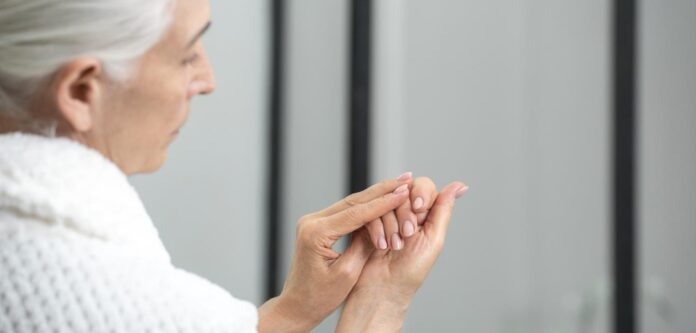
The fingernail is a unique “biological archive” of the organism, stably storing accumulated information over several months. A German study (Fulda NutriNAIL) has confirmed that the mineral composition of the nail accurately reflects a person’s diet, lifestyle, and hidden deficiencies within the body. This discovery paves the way for a simple, non-invasive, and accurate method of assessing nutritional status.
Keratin-saturated nails and hair serve as unique biological reservoirs for minerals, where information about the body’s condition remains unchanged for months. Professor Marc Birringer of Fulda University utilized the “gold standard” of analysis—the ICP-MS (Inductively Coupled Plasma Mass Spectrometry) method—to study the concentration of 17 different elements (including sodium, selenium, and chromium) with unprecedented precision. This non-invasive approach opens entirely new perspectives for preventive medicine.
The experiment involved 184 individuals aged 18 to 83 (78% female) with diverse dietary habits:
62% Omnivores (Mixed diet)
20% Vegetarians
11% Vegans
7% Pescatarians
Notably, 75% of participants regularly took dietary supplements, with Vitamin D, Magnesium, and Vitamin B12 being the most in demand.
When scientists monitored the nails of one specific individual for 5.5 months, the mineral composition remained almost constant—for instance, selenium levels fluctuated by only 5.8%. This indicates that the nail preserves the body’s internal state with high accuracy over long periods.
However, when comparing data across different individuals, the elemental content varied dramatically: differences reached 223% for Boron and 260% for Cobalt. Such sharp contrasts confirm that mineral concentration in the nail is not a random occurrence but a direct and precise imprint of each person’s unique lifestyle, diet, and environmental conditions.
Nail Defects: The Body’s Hidden Signals
Structural changes in the nail are often the first visual indicators of specific mineral deficiencies:
Brittleness and Fragility: Detected in 16% of participants, this problem was linked to a 30% decrease in potassium levels. Potassium plays a vital role in maintaining cell strength; its lack causes the nail to lose elasticity.
Vertical Ridges and Lines: This is the most common defect (28%) and points to potassium and sodium deficiencies. Scientists explain that these signs are often the result of chronic dehydration (lack of hydration), which is particularly relevant in individuals over 60.
White Spots (Leukonychia): Despite the common myth that this is solely a lack of calcium, the study showed that during the appearance of white spots, chromium levels are on average 29% lower. However, the exact biological mechanism of this link requires further study.
The Role of Selenium
Selenium levels in the study most clearly revealed the link between lifestyle and the body’s internal state. While the average concentration was 0.44 µg/g, it was 20% higher in supplement users, highlighting the high sensitivity of nail analysis to substance changes in the body.
Dietary impact on selenium levels proved decisive:
Vegans: Recorded the lowest levels.
Pescatarians: Showed the best results due to regular consumption of fish and seafood.
Interestingly, individuals with thyroid pathologies showed a 10% higher concentration of selenium. Scientists attribute this to medical recommendations, as such patients often follow specific diets or take medications that promote the synthesis of selenoproteins and increase mineral bioavailability.
In the future, this method will become even simpler: Artificial Intelligence may help us instantly assess the body’s general condition, accumulation of toxins, or iodine levels through a simple photograph of a fingernail.
Source: BioFactors
