


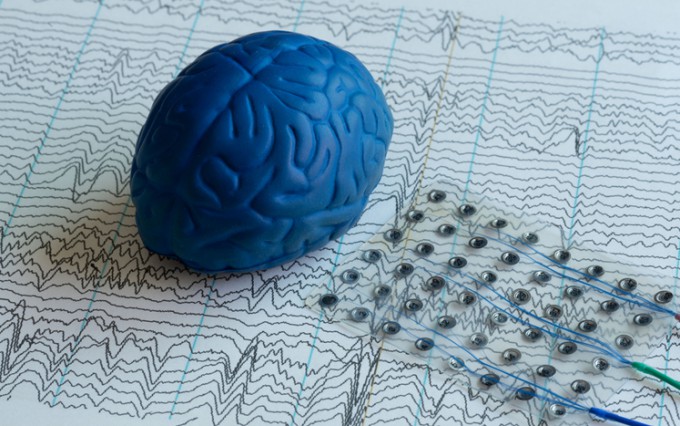
Epilepsy affects more than 50 million people worldwide. Most of the public recognizes this condition by seizures – sudden bursts of abnormal brain activity. However, significant details remain hidden beneath the surface of this condition. In the intervals between seizures, the brain often generates brief electrical spikes known as interictal epileptiform discharges (IEDs). This phenomenon can occur hundreds or thousands of times throughout the day. Although patients rarely notice them, they still pose a risk to health; even when seizures are well-controlled, IEDs cause brief episodes of confusion and memory impairment.
A new study published in the journal Nature Neuroscience provides a fresh explanation for the IED phenomenon. Using small Neuropixels probes, researchers recorded the activity of individual neurons deep within the brains of epilepsy patients. It was revealed that this electrical activity is not a chaotic process, but rather an event governed by specific patterns.
The Experimental Process
A team from the University of California, San Francisco (UCSF), led by Jonathan Kleen and Edward Chang, observed four patients. Each subject was undergoing surgery due to a diagnosis of pharmacoresistant (drug-resistant) epilepsy.
Researchers placed microscopic Neuropixels probes – approximately the thickness of a human hair—directly into the tissue identified as the “source” of the seizures. As part of a predetermined therapeutic strategy, this area was later fully resected (removed). Each device synchronously monitored up to 189 neurons across different layers of the brain. Using this method, scientists were able to register hundreds of IEDs in localized regions.
The scientists categorized the electrical spikes by neuron type, distinguishing between high-spiking cells (likely inhibitory) and regular-spiking cells (likely excitatory). By aligning the recordings with the climax of each IED, the team precisely mapped the pre-discharge state, its progression, and the post-event phases.
Key Findings
Contrary to hypotheses established by older animal studies, IEDs are not the result of simultaneous, synchronized neuronal discharges. Researchers found that different populations of neurons activate in a strictly defined, structured sequence lasting approximately two seconds. The study identified three primary models of neural dynamics:
The First Group (Early Activation): Primarily composed of regular-spiking cells, these are localized in the superficial layers of the brain and reach maximum intensity during the peak phase of the IED.
The Second Group (Suppressed Neurons): Saturated with high-spiking cells, these activate in the initial stage but later show a sharp cessation in function.
Late Activation Neurons: These begin firing directly during the course of the epileptic event and maintain activity even after it concludes.
This process causes an imbalance between neuronal excitation and inhibition in the body. Specifically, one second before the pathological discharge, the inhibitory mechanism weakens significantly. As soon as the inhibitory function fails, the activity of excitatory neurons rises sharply.
Crucially, these cells physiologically participate in fundamental functions such as verbal information processing and synchronization with the brain’s endogenous rhythms. However, during the formation of IEDs, neurons break away from these natural functional connections, resulting in spontaneous cognitive dysfunction in patients. A clear example of this is the slowed reaction time recorded in one subject while performing a verbal task.
A vital part of the research is the ability to predict IEDs based on neuronal spiking. Specially developed computational models were able to identify a pathological discharge 500 to 1,000 milliseconds before it began. This figure significantly exceeds the capabilities of current technologies, which only react after peak activity is detected. Notably, the researchers also “predicted” particularly intense spikes that appear in clusters and are especially damaging to a patient’s cognitive status.
How Does This Study Change Things?
Modern neurostimulators identify IEDs with a certain delay and send thousands of electrical impulses daily in response. While these devices reduce seizure frequency by an average of 75% with long-term use, complete freedom from symptoms is observed in only a small portion of patients.
As for pharmacological approaches, the action of medications is primarily focused on preventing clinical seizures rather than the electrical spikes themselves, which may cause side effects such as cognitive decline or “brain fog.”
This study points toward the development of a proactive treatment strategy for epilepsy. This approach involves disrupting the pathological neural chain by initiating stimulation one second in advance. To stop initial destructive processes, scientists suggest targeted stimulation of the superficial layers of the brain, and for strengthening neural inhibition, the deeper structures. The ultimate goal of this work is to alleviate the hidden cognitive burden of epilepsy for millions of people.
Source: Nature Neuroscience
