


Every human life, sooner or later, confronts the inevitable reality of death. It is the decisions made in these final moments that most clearly reveal our human nature and fundamental values. Although modern medicine offers countless remarkable opportunities to prolong life, there are cases where long-term treatment only exacerbates suffering. When therapy can no longer restore quality of life, some individuals seek a solution in a peaceful end planned on their own terms.
This deeply personal choice sparks intense ethical, legal, and emotional debates across different cultures and continents. This issue forces us to find a golden mean between respecting individual autonomy and the society’s obligation to protect vulnerable life. The story of 25-year-old Noelia from Barcelona illustrates this complex and multifaceted problem with particular poignancy.
After years of physical and unbearable mental suffering, Noelia finally secured the legal right to euthanasia on March 24, 2026. In her final interview, she openly shared the personal details of her planned farewell, further exposing the enduring human pain that exists behind this controversial practice.
Noelia’s Story
Noelia’s condition was burdened from childhood by severe challenges, including episodes of sexual abuse and family circumstances. Injuries resulting from a suicide attempt in October 2022 left her confined to a wheelchair, increasing her disability status to 74%. Although reports circulated publicly regarding her paralysis, Noelia herself clarified that she maintained some ability to move independently and care for herself.
Her primary pain lay not in physical limitations, but in deep, resistant depression and post-traumatic stress: “I can no longer bear what tortures my mind.” Noelia admitted that she saw the world only in dark colors and possessed no goals for the future.
A two-year legal battle, initiated by her parents’ attempts to stop the euthanasia, concluded on March 24, 2026, with a decision by the European Court of Human Rights. The court dismissed the family’s appeal, finally clearing the way for the euthanasia procedure to be carried out.
On March 26, 2026, at 6:00 PM local time, Noelia underwent the euthanasia procedure in Spain. The process, which involved the use of three chemical substances, lasted approximately 15 minutes. At Noelia’s categorical request, her parents did not attend the procedure. She spent the final minutes of her life in her own bedroom, in total peace, wearing carefully selected clothing and makeup. This case became one of the most resonant precedents under Spain’s 2021 euthanasia law, further intensifying debates regarding the rights of patients with mental health conditions.
From Ancient Practice to Modern Ethical Debates
The concept of euthanasia has deep roots in human history. This phenomenon has evolved over centuries and, against a backdrop of fierce confrontations, has transformed from an elementary act of mercy into a structured legal framework. In Ancient Greece, for example, voluntary death for patients with unbearable pain was considered a socially acceptable outcome. During that period, doctors themselves would provide lethal means to patients to alleviate suffering. However, the famous Hippocratic Oath – “do no harm” – later strictly rejected such practices, exerting a decisive influence on Western medicine for centuries.
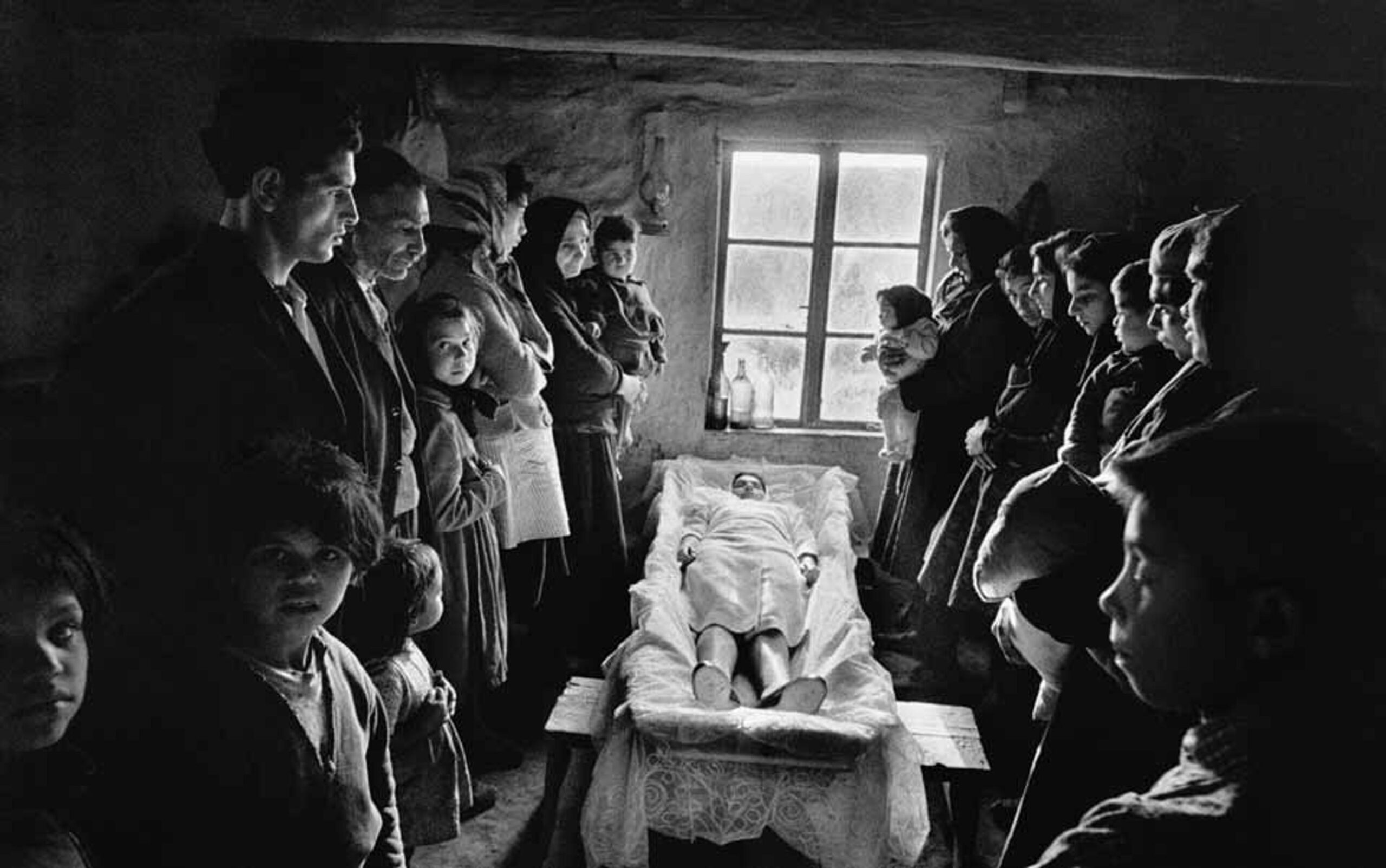
In the 20th century, under the “Aktion T4” program in Nazi Germany, this practice took on an extremely dark hue. Forced euthanasia was applied on a mass scale to people with disabilities and the chronically ill. This criminal act resulted in the deaths of over 200,000 people and long branded the term with the stigma of eugenics and atrocity. The post-World War II ethical reaction significantly hindered progress in this field, though patient rights movements revived the issue’s relevance toward the end of the 20th century.
In the 1970s and 80s, advocacy for the “right to die” grew stronger amid the backdrop of life-extending technologies. One of the most scandalous figures of this period, Dr. Jack Kevorkian (known in the US as “Dr. Death”), assisted over 130 people in the 1990s using his “Mercitron” machine. His actions and subsequent imprisonment pushed the global debate surrounding the issue into a new phase.
Today, the terminology has softened considerably, and the concept of “Medical Aid in Dying” (MAID) has become established. This phrasing presents euthanasia more as a logical extension of palliative care than as simple suicide. This shift reflects a transformation in public views toward personal autonomy, secular ethics, and the idea of liberation from unbearable suffering.
Euthanasia Practice Around the World
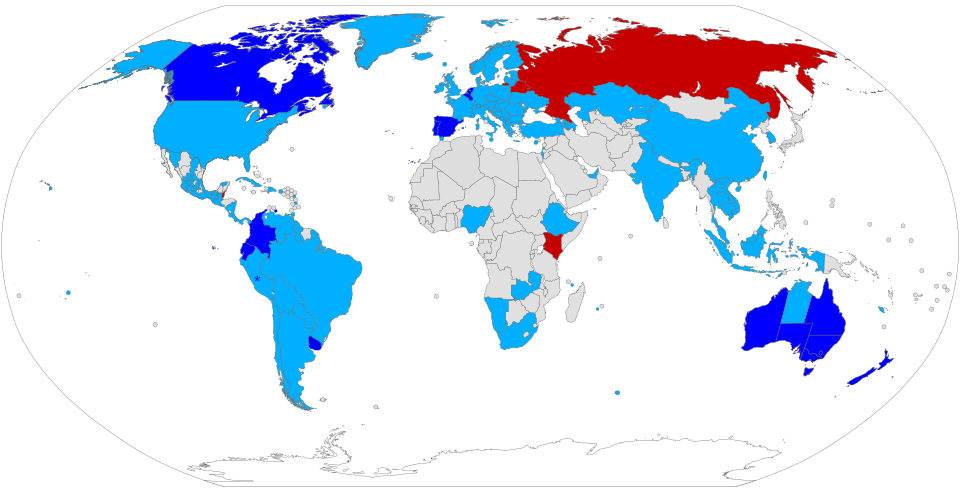
Today, legal norms for euthanasia and “assisted dying” vary significantly by country. Nevertheless, more and more states are utilizing regulated frameworks that effectively balance the freedom of individual choice with mechanisms for protection against abuse.
Active euthanasia, which involves a doctor administering a lethal injection to a patient, is permitted in countries such as the Netherlands and Belgium (both since 2002). There, adults—and in Belgium’s case, minors over 12 (with parental consent)—can request the procedure in cases of “unbearable suffering.” This right is exercised only if there is no longer a prospect of improvement in the condition.
Notably, after a rigorous clinical assessment, this norm also includes mental illness. Compliance with the criteria is independently confirmed by two doctors, and final cases are reviewed by special government committees. In the Netherlands, euthanasia accounts for approximately 4% of total mortality, exceeding 8,000 cases per year.
Canada’s “Medical Assistance in Dying” program, which was launched in 2016, has expanded significantly in a short time. Today, it accounts for nearly 10% of mortality cases. Starting in 2027, Canada plans to make the program available to patients with mental health problems alone, which has caused ethical concerns in society. For its part, Switzerland has stood out since 1942 by allowing assisted dying even for non-residents. Organizations like “Dignitas” allow foreigners to self-administer prescribed drugs, which does not require the submission of evidence of suffering.
Spain’s 2021 law allows active euthanasia for persons with serious and incurable diseases, which was clearly reflected in Noelia’s legal victory. Other countries, including Australia, New Zealand, Colombia, Ecuador, and Portugal, have recently passed laws focused only on terminal illnesses. In the United States, ten states and the District of Columbia allow physician-assisted dying (not active euthanasia) only for patients with a life expectancy of less than six months.
Real Stories and Ethical Dilemmas in Euthanasia
Noelia’s wish to maintain solitude in her final minutes echoes the experiences of people who have already walked this difficult path. For instance, a partner in the Netherlands recalled a similar story: “She also chose her dress in advance—red, her favorite. We drank tea together one last time and said goodbye that way.” Such stories confirm that managing the dying process often represents the only way for a patient to be liberated from suffering.
However, mental health problems like Noelia’s case spark the most heated debates in society. As far back as 2014, Belgium approved euthanasia for a 23-year-old woman due to unbearable depression, which doctors ultimately deemed an “unmanageable condition.” Critics often fear that such precedents might become a dangerous trend. Proponents, on the other hand, point to the multi-stage protective mechanisms that ensure strict control of the process. One Canadian patient suffering from Amyotrophic Lateral Sclerosis (ALS) noted: “This decision liberated my family from watching how I was being destroyed. After all, dignity is not just about the physical body.”
Ethical tension in this matter is multifaceted. Religious views, which dominate Georgia’s Orthodox culture, view life as a sacred gift and consider any artificial acceleration of its end a sin. Secular ethicists, meanwhile, emphasize individual autonomy; in their view, if a patient’s consent is informed and voluntary, the state no longer has grounds to prohibit it. Although advocates for people with disabilities often worry about the threat of coercion, statistical data shows that 90% of cases are related to oncological rather than mental health problems.
The Legal Status of Euthanasia in Georgia
In Georgia, euthanasia continues to maintain a strictly illegal status. This status quo reflects a conservative legal and cultural framework that grants unconditional priority to the inviolability of life. Under Georgian law, neither active euthanasia nor physician-assisted dying is permitted. The country’s Constitution recognizes the protection of life as a fundamental value, while Article 115 of the Criminal Code considers assisting in suicide a criminal act, punishable by up to two years in prison.
Notably, so-called “passive measures”—the cessation of life-sustaining treatment in terminal cases—are not clearly legalized either. A legislative proposal prepared in 2022, which aimed to regulate this issue, failed to gain sufficient support. This process unfolded primarily against the backdrop of a sharply negative position from the Georgian Orthodox Church. Public opinion on this topic is significantly divided: although the young, urban population increasingly supports the freedom of personal choice, traditional and religious views remain the primary pillar of resistance.
In light of all this, Noelia’s farewell presents each of us with a significant challenge: in the face of relentless pain, what does true dignity look like, and how far should modern society go to respect an individual’s final will?
Source: Antena3
