


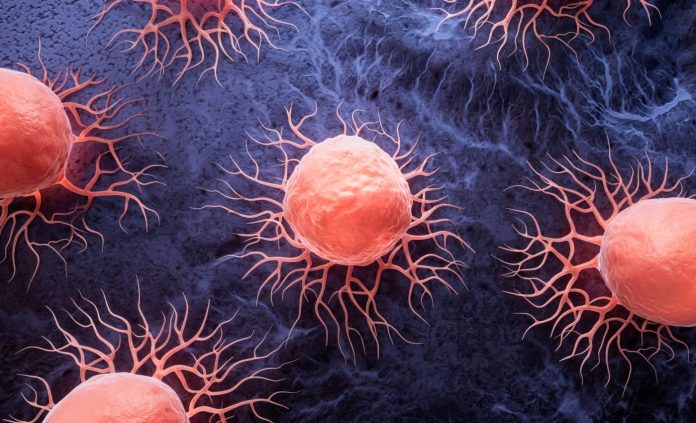
It is no secret that the COVID-19 pandemic, which began six years ago, has permanently changed the rhythm of the world. It was a disease that altered both the daily lives of people and their long-standing perceptions of the world. Following the global distribution of COVID-19 vaccines, a critical attitude toward the effectiveness and necessity of vaccination soon emerged within society. Among many conspiratorial and sometimes subjective topics still discussed in some academic circles, the notion that COVID-19 vaccination could cause an unusual phenomenon known as “Turbo Cancer” has held a prominent place on the internet.
The concept of “Turbo Cancer” does not exist in the field of oncology. However, this term, used by internet users, refers to a hypothetical form of cancer characterized by unusual aggression and rapid progression. These claims, spread through social networks and individual opinions, have caused public concern. However, a detailed study of scientific evidence shows that these views are not supported by reliable data.
The Origin of Information Regarding “Turbo Cancer”
The term “Turbo Cancer” does not originate from oncology or any recognized medical classification system. Rather, it emerged in online discussions and was later linked to selective interpretations of observational studies, including epidemiological data from South Korea. These studies noted a chronological coincidence between COVID-19 vaccination and cancer diagnoses, which some commentators perceived as a causal link. However, it is essential to understand that correlation does not imply causation.
Scientific and Regulatory Assessment
Leading health agencies, including the European Medicines Agency (EMA), the World Health Organization (WHO), and various national oncological societies, state that there is no evidence that COVID-19 vaccines increase the prevalence or aggressiveness of cancer. From a biological perspective, such a mechanism is also inconceivable. mRNA vaccines do not enter the cell nucleus; therefore, they do not alter DNA and break down quickly after triggering an immune response. There is not even a scientifically known theoretical pathway by which these vaccines could initiate oncogenesis (cancer formation) or accelerate tumor growth.
Expert Consensus
Oncologists and immunologists in influential publications such as FactCheck.org, the European Medicines Agency (EMA), the German publication Welt.de, and many others agree that:
-
“Turbo Cancer” is not a recognized medical diagnosis.
-
There is no confirmed clinical or molecular evidence linking COVID-19 vaccination to the development or progression of cancer.
-
Claims to the contrary rely on anecdotal cases, misinterpreted statistics, or un-peer-reviewed sources.
Despite all critical opinions and subjective views based on the misinterpretation of individual cases, it is important to note that vaccination remains a critical public health tool. Contrary to hypothetical harm, vaccines have shown clear benefits in reducing severe illness, hospitalization, and mortality caused by COVID-19.
Why Do Such Myths Persist?
Health-related misinformation often flourishes in an environment of uncertainty and fear. Complex scientific findings can easily be distorted when presented without methodological context. The level of public awareness plays the largest role in shaping the opinion of society or specific groups. The less knowledge a person has about a topic, the more vulnerable they are to various conspiracy theories. Repeating unconfirmed claims, especially in an emotional context, can create an illusion of credibility despite the lack of alternative evidence.
Currently, evidence-based scientific knowledge does not support the claim that COVID-19 vaccines cause or accelerate cancer. The concept of “Turbo Cancer” lacks medical legitimacy and is not confirmed by clinical research. While continuous monitoring of vaccine safety is necessary, existing data clearly indicate that COVID-19 vaccines are safe regarding cancer risk.
Regarding the notion that COVID-19 vaccines reduce fertility: [In detail…]
